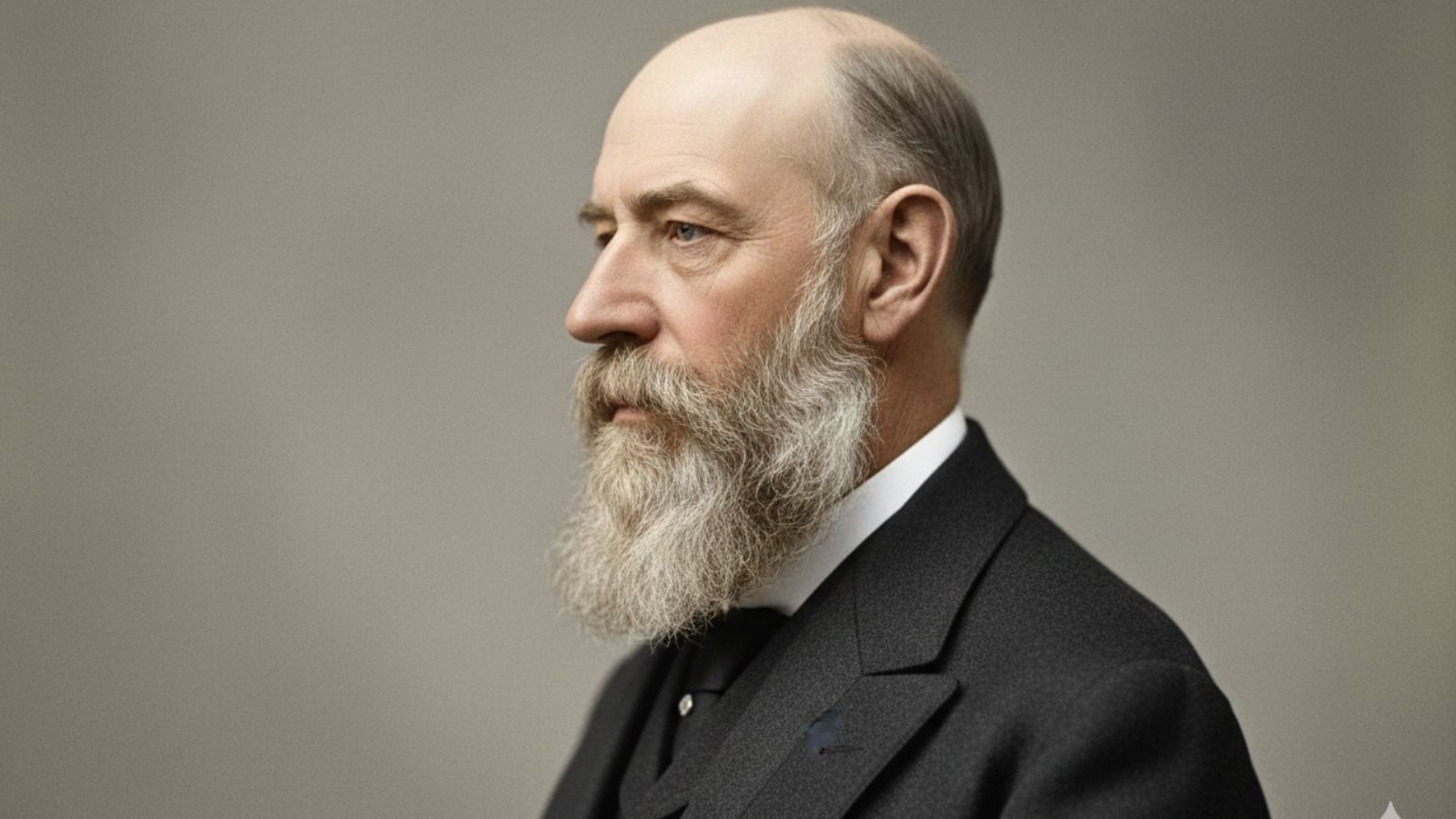
The word boycott means to deliberately refuse cooperation (such as buying, selling, or dealing with a person or organization) to express protest or apply pressure.
The term comes from Charles Boycott, a British army captain turned land agent in 19th-century Ireland. In 1880, Boycott managed estates for an absentee landlord in County Mayo. During a period of poor harvests and widespread economic distress, the Irish Land League demanded a 25% reduction in rents. Boycott refused.
Rather than resorting to violence, the local community adopted a novel tactic. Shops refused to serve him, workers declined to harvest his crops, the postman stopped delivering his mail, and neighbors shunned him entirely. This campaign of social and economic isolation, described at the time as a “moral storm,” was so effective that the British government dispatched hundreds of soldiers to protect laborers brought in to harvest his crops.
Within weeks, Boycott’s name became synonymous with this type of non-violent resistance, entering newspapers worldwide and the English language forever.