The word silhouette refers to the dark shape and outline of someone or something visible against a lighter background. While we associate the word with artistic profiles or moody photography, the term has its roots in 18th-century French politics.
The Man Behind the Shadow: Étienne de Silhouette
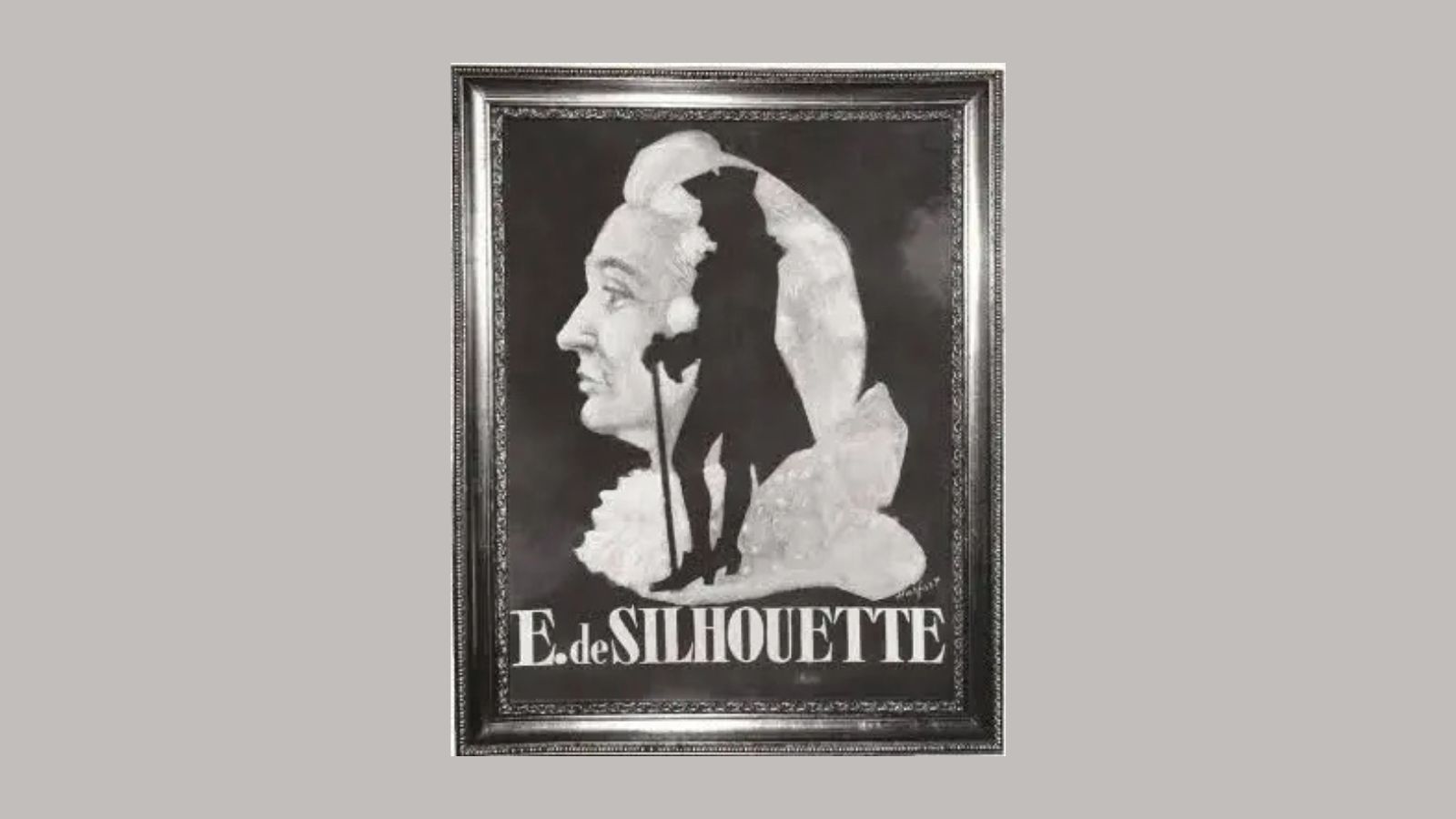
In 1759, France was drowning in debt from the Seven Years’ War. King Louis XV appointed Étienne de Silhouette as his Controller-General of Finances to fix the mess. The General introduced aggressive austerity measures to reduce spending. He slashed pensions and taxed the wealthy, making him the most unpopular man in Paris almost overnight.
Silhouette’s tenure lasted only eight months, but his extreme frugality left a mark. His name became a synonym for anything done cheaply. At the time, portraits cut from black paper were a fashionable, low-cost alternative to oil paintings. Mockingly, these were called portraits à la Silhouette, “cheapskate art” in other words.
While Étienne died in relative obscurity, his name survived as a lasting linguistic jab at his fiscal stinginess, forever linking his legacy to the barest of outlines.