The term poramboku/poramboke is a fascinating example of how a technical administrative word evolved into a social slur. Derived from the Tamil elements puram (“outside”) and pokku (“account” or “record”), it originally referred to land outside or exempt from revenue registers.
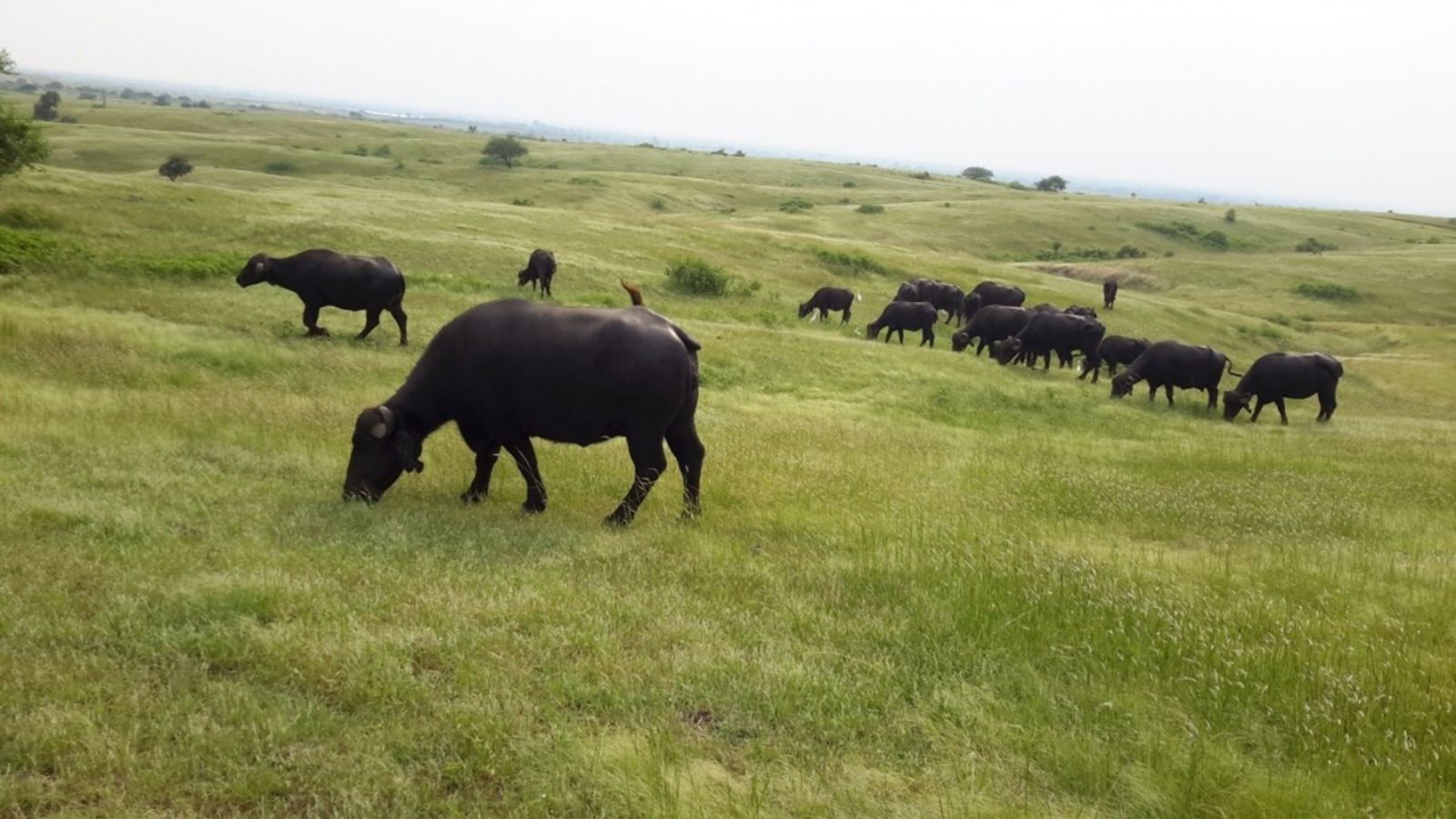
During the Chola period and later under colonial administration, ayan lands were private and taxable, whereas poramboku lands were reserved for common use. Because these lands were not privately held and generated no tax revenue, the state often classified them as “waste.” In reality, however, this category was far from “waste”; it included vital ecological and social resources such as riverbanks, cremation grounds, temple tanks, grazing pastures, and community pathways.
Somewhere along the way, the word suffered the ultimate downgrade—from shared ecological wealth to a casual insult. Today, calling someone poramboku implies they are “useless,” contributing nothing to society— a rather harsh fate for a term that once described lakes, and lifelines.
Popular culture did not help. The Telugu actor Ali even starred in a film titled Poramboku, proving how thoroughly the term had crossed into comic and vulgar territory. Today, environmental movements are reclaiming the term, asserting that poramboku is not “waste land,” but vital commons that sustain both people and the environment.