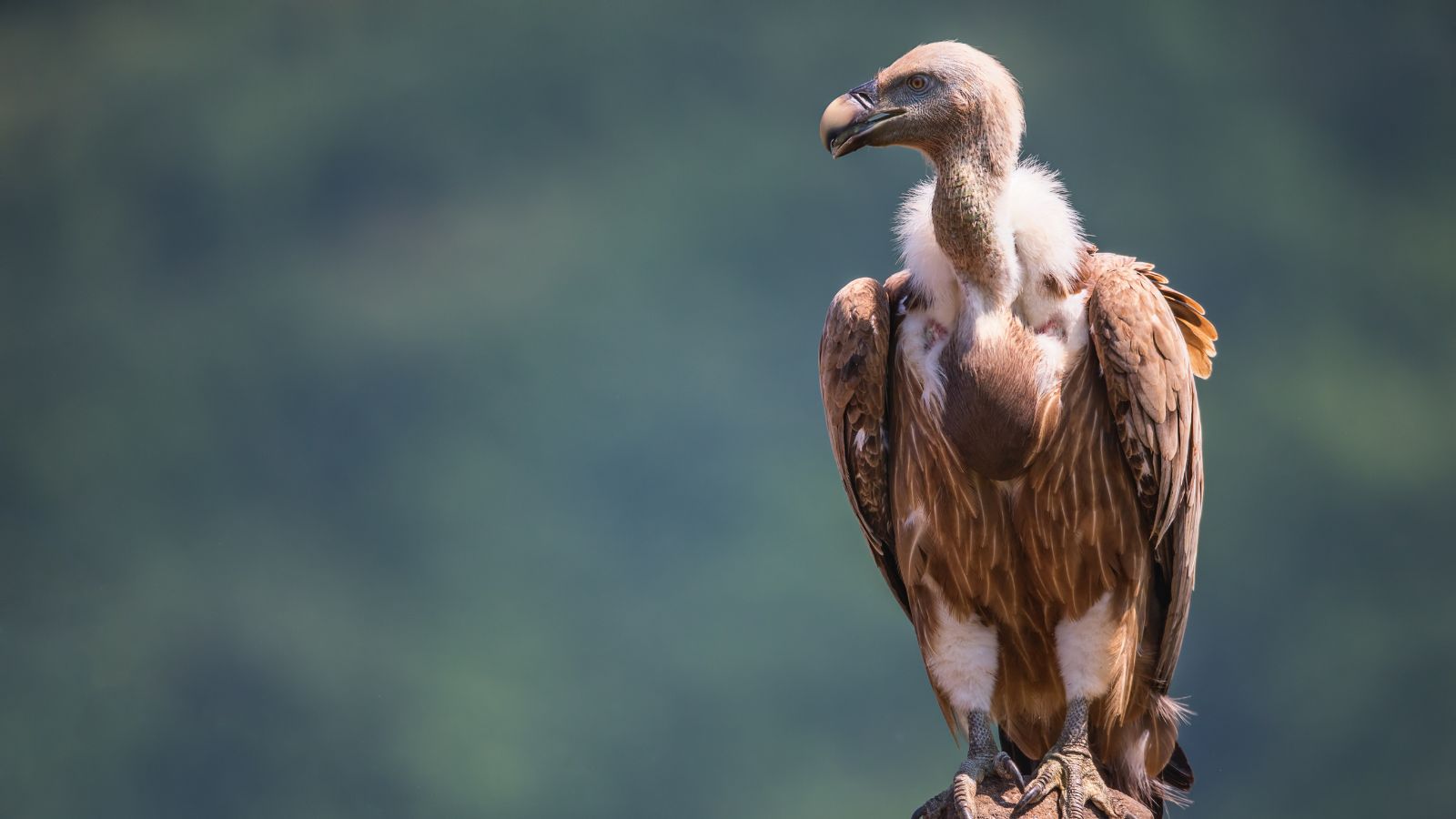
Growing up, I walked three km each way to school every day. Along the way, it was common to see vultures hunched over animal carcasses by the roadside. It was a familiar, grim sight to me in the 1980s. Decades later, I walk the same roads and still come across dumped carcasses, but the vultures are gone. The skies are empty where they once circled. It took me time to connect the dots: a veterinary drug called diclofenac, administered to ailing cattle and buffalo across India, had quietly erased them from the landscape I grew up in.
Diclofenac is a non-steroidal anti-inflammatory drug (NSAID) widely used in human medicine to relieve pain, fever, and inflammation. In veterinary practice across South Asia, it was routinely given to cattle and buffalo to treat lameness, joint inflammation, muscle injuries, post-surgical pain, and chronic conditions such as arthritis. The drug was inexpensive, effective, and easily available, which led to widespread use in livestock.
When treated animals died, their carcasses retained diclofenac residues. Vultures, particularly Gyps species, fed on these carcasses and developed acute visceral gout, a condition in which uric acid crystals accumulate in organs due to kidney failure. Death followed within days. Because vultures gather at carcasses in large numbers, a single contaminated animal could kill dozens of birds in one feeding event.
By the early 2000s, populations of the Oriental white-backed vulture had crashed by more than 95 percent across India, Pakistan, and Nepal. The ecological fallout was severe: rotting carcasses accumulated, feral dog populations surged, and the risks of rabies and anthrax transmission increased. India banned veterinary diclofenac in 2006, and conservation programs have since worked to establish vulture-safe zones using the alternative drug meloxicam.
Where things stand today
Vultures in South Asia are critically endangered but not extinct. Populations stabilized after India’s 2006 diclofenac ban but have not meaningfully recovered. Most historical nesting sites remain abandoned, and the Slender-billed Vulture now breeds only in Upper Assam. Madhya Pradesh is a relative bright spot, with vulture numbers rising to nearly 13,000 by 2025. Nepal has fared better due to stricter enforcement. Illegal sales of diclofenac and other toxic NSAIDs continue to hinder recovery across the region.