Long before medals and ceremonies defined prestige, the thunderclap of cannon fire spoke volumes. Gun salutes, shots fired to honor a person or occasion, have historically served as one of the most dramatic expressions of rank and respect. The louder the salvo, the greater the stature.
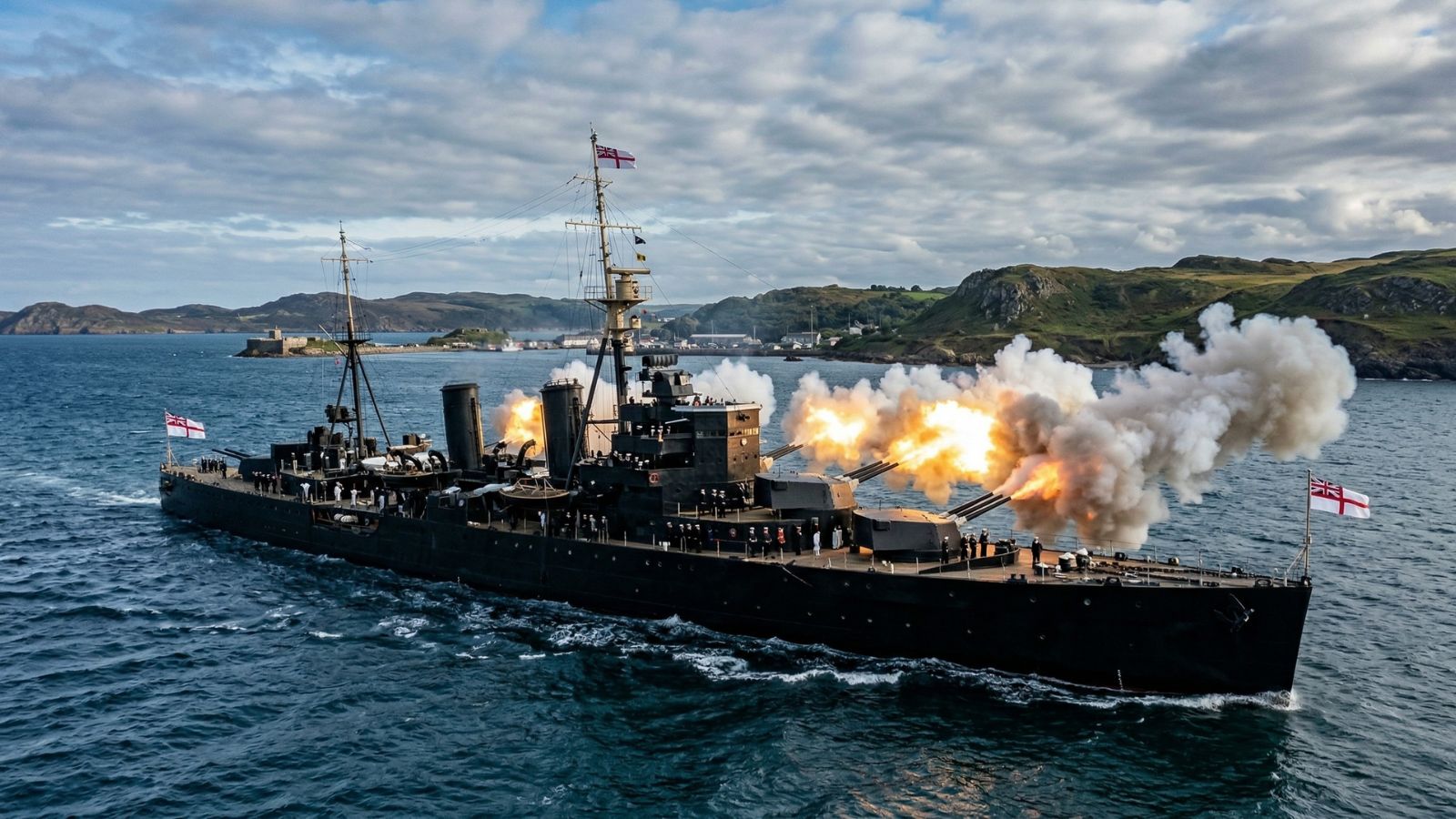
The tradition traces its origins to naval practices in early modern Europe. Warships entering foreign ports would fire their cannons harmlessly out to sea, signaling peaceful intent since an unloaded ship posed no immediate threat. Shore batteries* responded with a greater number of shots, gradually shaping a formal protocol. Over time, this evolved into a codified system where the number of guns signified status, with 21 becoming the highest standard military honor.
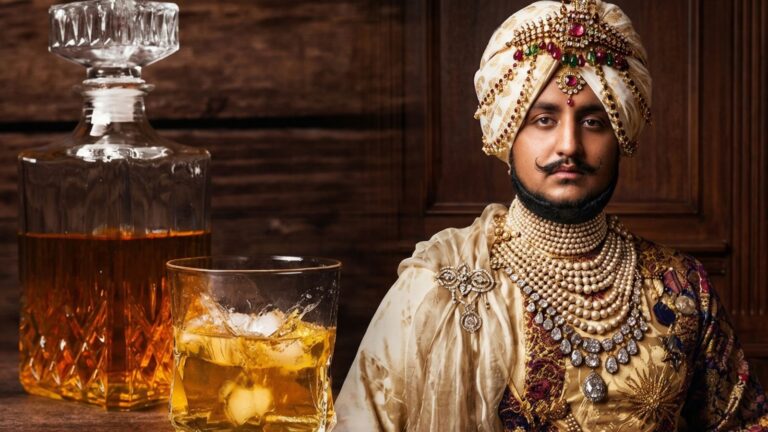
During British rule in India, this tradition became a precise political instrument. Of the over 560 princely states, 117 were designated “salute states,” their rulers ranked by the number of guns fired in their honor. At the pinnacle stood five kingdoms—Mysore, Hyderabad, Baroda, Gwalior, and Jammu & Kashmir—each commanding the highest honor of a 21-gun salute. Six others—Bhopal, Indore, Udaipur, Kolhapur, Travancore, and Kalat (which joined Pakistan after independence)—received 19-gun salutes. Remaining salute states ranged from 17 to 11 guns; smaller states received none.
Above them all, the British Viceroy commanded a 31-gun salute, while the British monarch received an extraordinary 101. This numerical hierarchy reflected the imperial power structure.
Beyond spectacle, gun salutes symbolized political standing, allegiance, and recognition. Today, we witness them at military ceremonies and state funerals worldwide, reflecting a tradition where honor wasn’t just felt, but heard too.
* Shore batteries are fixed groups of cannons or artillery positioned along a coastline or in coastal forts. They’re designed to defend against ships at sea, like in naval battles or to control ports.