Friday the 13th occupies a peculiar corner of human psychology. The dread surrounding it has a formal name: paraskevidekatriaphobia, derived from the Greek words for Friday (Paraskevi) and thirteen (dekatreis). An alternate term, friggatriskaidekaphobia, draws from Frigg, the Norse goddess after whom Friday is named.The general fear of the number 13 itself is known as triskaidekaphobia.
Why the Number 13 became “Unlucky”
Thirteen has long been considered an unsettling number. The superstition likely emerged from a blend of religious tradition, folklore, and cultural symbolism rather than a single historical event. In many traditions, 12 symbolizes completeness (12 months, 12 zodiac signs, 12 Olympian gods, 12 apostles). 13 was seen as disrupting this order.
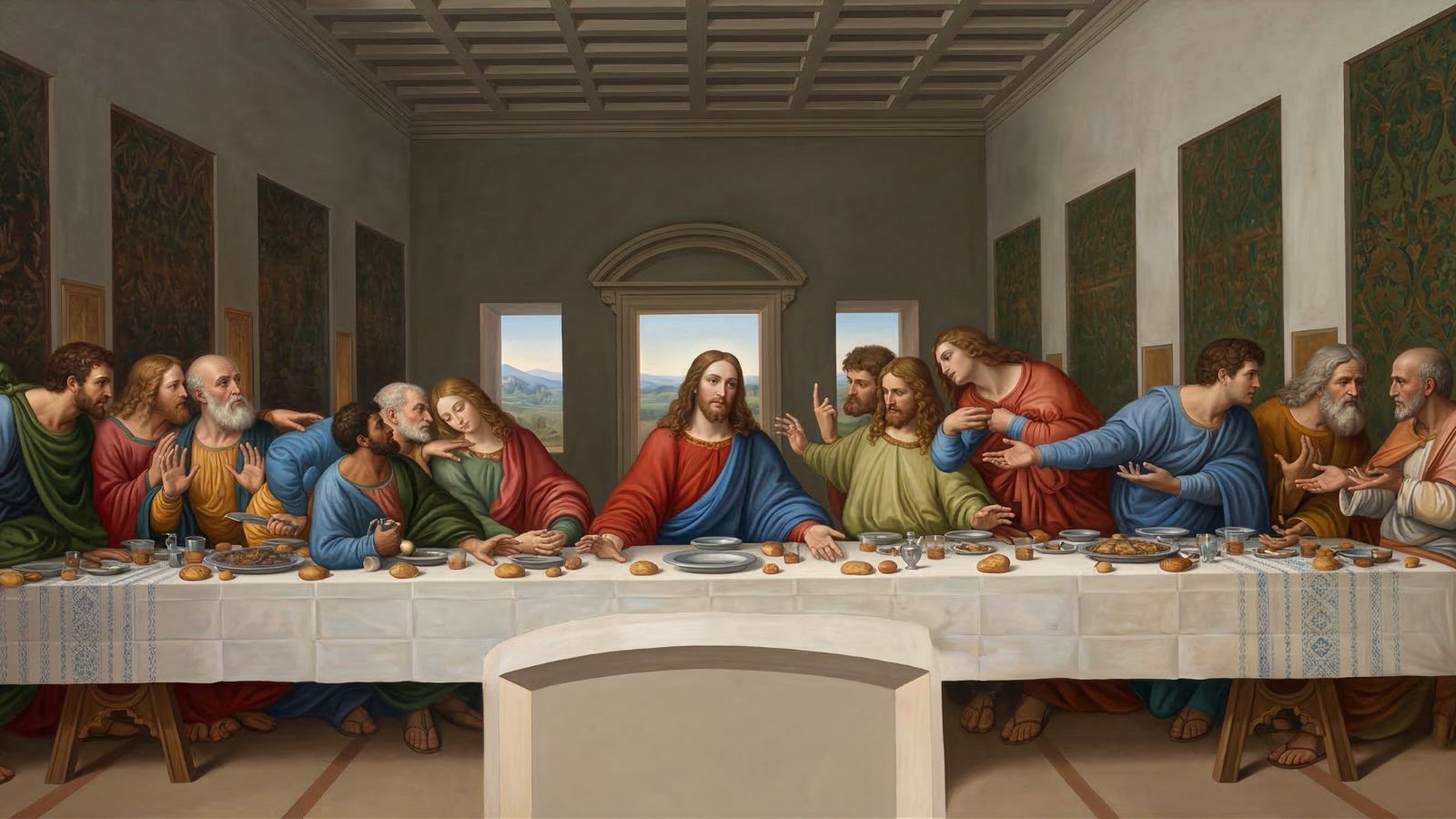
One frequently cited explanation comes from Christianity. At the Last Supper, thirteen people sat at the table, with Judas (the betrayer of Jesus) often considered the thirteenth guest. The following day, a Friday, was the day of the Crucifixion.
Why Friday Was Considered Unlucky
Friday itself carried negative associations in medieval Christian belief. Jesus was crucified on Good Friday, and some traditions claimed that Adam and Eve ate the forbidden fruit on a Friday. Sailors and travelers were also once reluctant to begin journeys on that day.
The superstition still influences everyday life. Many buildings skip the 13th floor, hotels omit room 13, and airlines sometimes avoid row 13 to accommodate uneasy travelers. Studies suggest that in the United States alone, 17–21 million people are affected by this fear, with some avoiding travel, business dealings, or major decisions on the date.
Notable Events that Happened on Friday the 13th
The Andes Plane Crash (1972): On October 13, 1972, a plane carrying a Uruguayan rugby team crashed in the Andes Mountains after encountering severe weather. The survivors endured freezing temperatures, avalanches, and extreme isolation for 72 days before rescue arrived. In a desperate attempt to stay alive, they resorted to eating the bodies of those who had died in the crash. The extraordinary survival story later inspired the film Alive.
Buckingham Palace Bombing (1940): During World War II, German Luftwaffe bombers struck Buckingham Palace on September 13, 1940—a Friday. Several bombs hit the palace courtyard and chapel while King George VI and Queen Elizabeth Bowes-Lyon were inside. Although parts of the palace were damaged, the royal couple escaped unharmed, and the event became a powerful symbol of wartime resilience.
The Costa Concordia Disaster (2012): On January 13, 2012, the Italian cruise ship Costa Concordia struck submerged rocks near the island of Isola del Giglio. The collision tore a massive gash in the hull, causing the ship to partially capsize just hours after departure. The disaster led to chaotic evacuations and the deaths of 32 people, becoming one of the most infamous cruise ship accidents in modern maritime history.
Stock Market “Mini-Crash” (1989): On October 13, 1989, U.S. financial markets experienced a sharp downturn after news broke that the leveraged buyout deal for United Airlines had collapsed. Panic selling followed, and the Dow Jones Industrial Average fell by about 190 points in a single day. Because the decline occurred on a Friday the 13th, the event was widely dubbed the “Friday the 13th Mini-Crash.”
Despite its dark reputation, statistical studies have found no evidence that more accidents or disasters occur on Friday the 13th. Yet centuries of myth, religion, and popular culture have ensured that the date still triggers unease across the world.