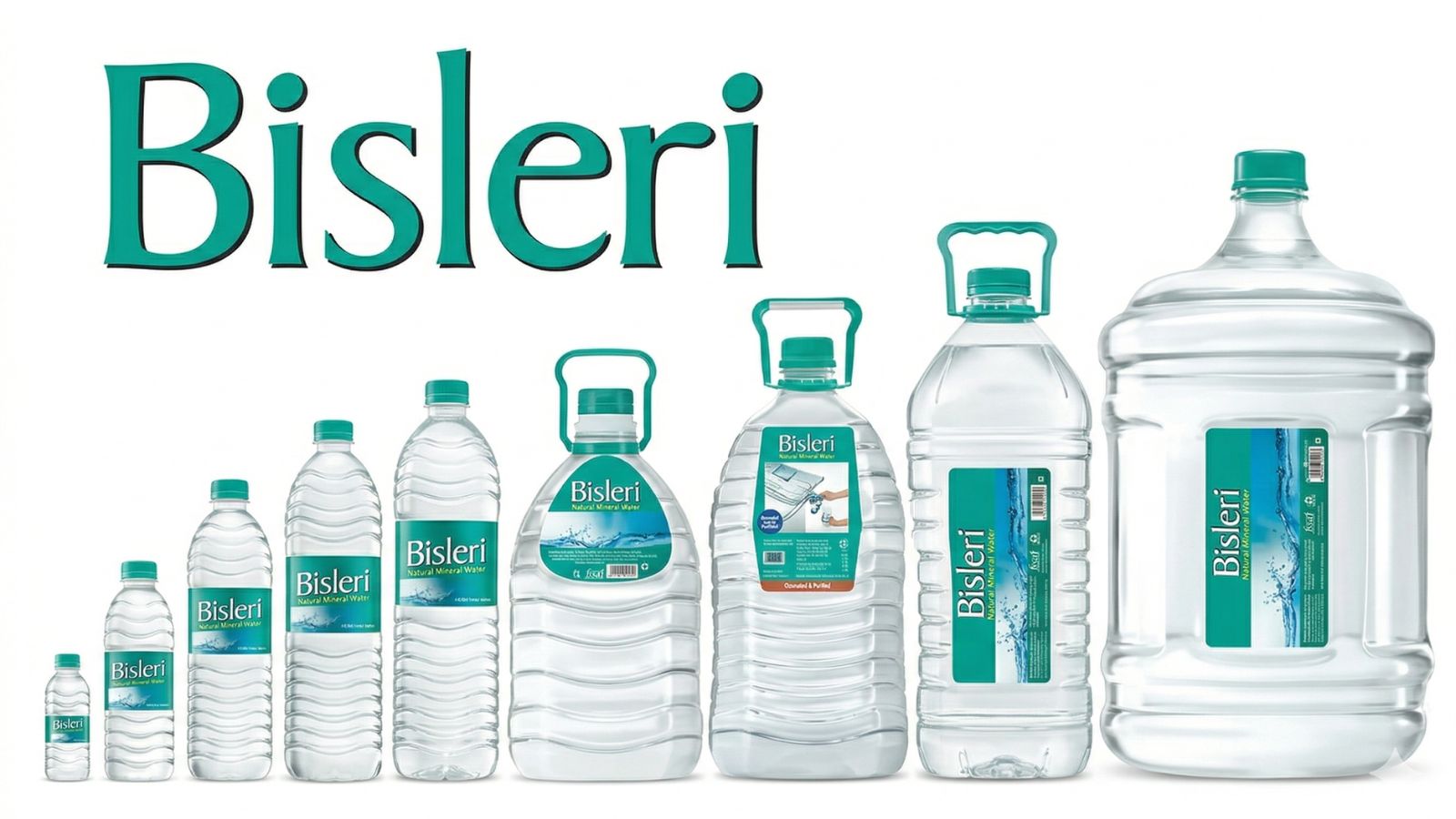
Bisleri is synonymous with packaged drinking water in India, much like Xerox is for photocopying. But did you know its story began far from the subcontinent?
The brand traces back to Felice Bisleri, an Italian chemist and inventor in the late 19th century. He didn’t set out to sell water; instead, he gained fame for Ferro-China-Bisleri, an alcohol-based medicinal tonic that blended cinchona bark (a source of quinine) with iron to combat anemia and malaria.

Felice Bisleri (1851 – 1921)
The transition to water came decades later, after Felice’s death. In 1967, his family doctor, Dr. Cesare Rossi, partnered with Indian entrepreneur Khushroo Suntook to launch Bisleri in India, addressing the dire need for clean drinking water. They built the first plant in Thane, near Mumbai. The brand struggled until the Ramesh Chauhan family of Parle Exports acquired it in 1969 for ₹4 lakh. Today, Bisleri dominates India’s packaged drinking water market.
Mineral Water vs. Packaged Drinking Water
A common misconception is that all bottled water is identical. The key differences lie in source, treatment, and standards:
- Natural Mineral Water: Sourced from underground aquifers (underground layers of rock or soil that store and transmit water) or natural springs. It is bottled at the source and contains a specific amount of naturally occurring minerals (like magnesium and calcium). It undergoes minimal treatment.
- Packaged Drinking Water: This can come from any source (like borewells or public water systems). It is purified using processes like Reverse Osmosis (RO), UV treatment, and ozonization. Minerals are often “added back” for taste and health after the purification process.
Himalayan, Perrier, and Evian are true mineral waters. Most Indian brands like Bisleri, Kinley, and Aquafina are packaged drinking water.
Next time you grab a bottle, check what the label says.