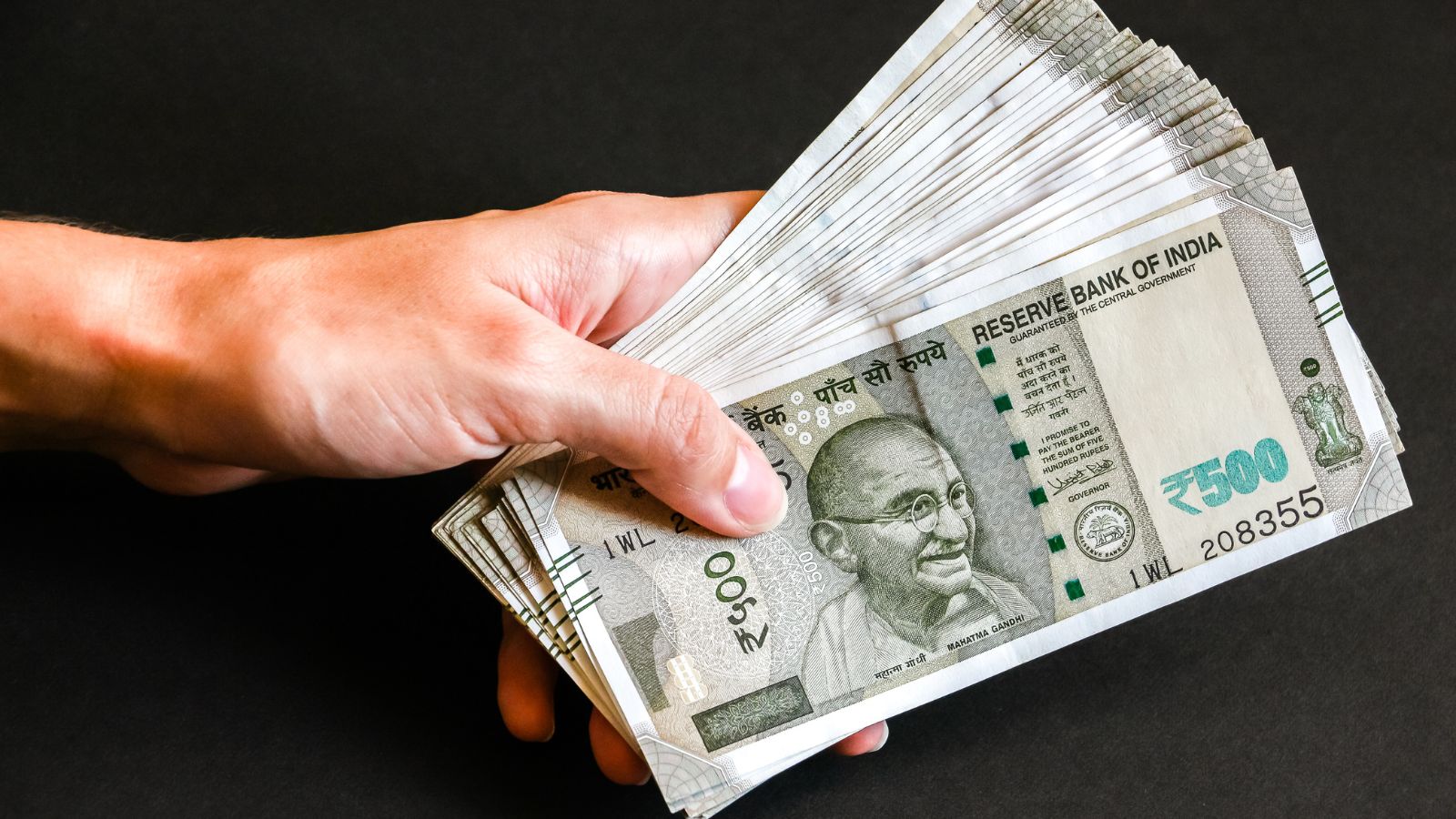
Did you know the iconic image of Mahatma Gandhi that appears on every Indian currency note is a carefully cropped fragment of a larger historical photograph?
The original was taken in 1946 at Rashtrapati Bhavan (then the Viceroy’s House), during crucial discussions on India’s impending independence. In that photograph, Gandhi stands beside Frederick William Pethick-Lawrence, who played a key role in negotiating Britain’s exit from India. The image captures a moment of quiet diplomacy amid seismic political change.
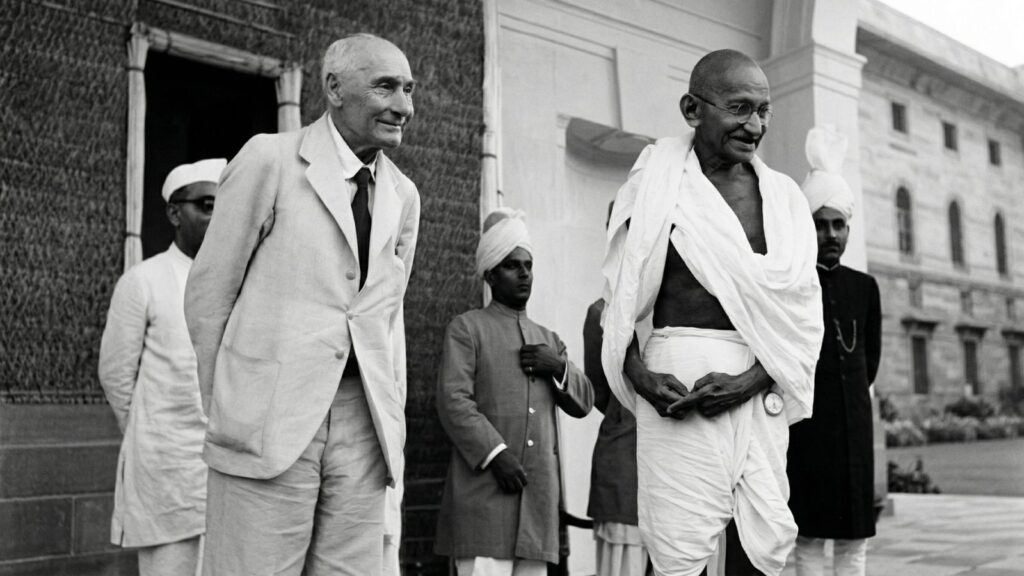
The photograph presents a striking juxtaposition: the grand colonial backdrop of the Viceroy’s House; a British statesman in a formal suit beside the Mahatma in his simple khadi dhoti; and Gandhi’s remarkably calm expression despite the historical weight of the moment.
After independence, India experimented with various motifs on its currency, including the Lion Capital of Ashoka and agrarian imagery. However, the Reserve Bank of India sought a more human and relatable symbol.
In 1996, it introduced the Mahatma Gandhi Series. Designers chose this 1946 photograph for its warmth and quiet dignity. By mirroring the image and cropping out the British official and ornate background, they created a focused, intimate portrait—one that has since become the definitive visual shorthand of the Indian state.
Fun fact: Gandhi first appeared on Indian currency in 1969 on a commemorative ₹100 note marking his birth centenary. However, it was this 1946 “Viceroy’s House” image that later became the enduring standard.