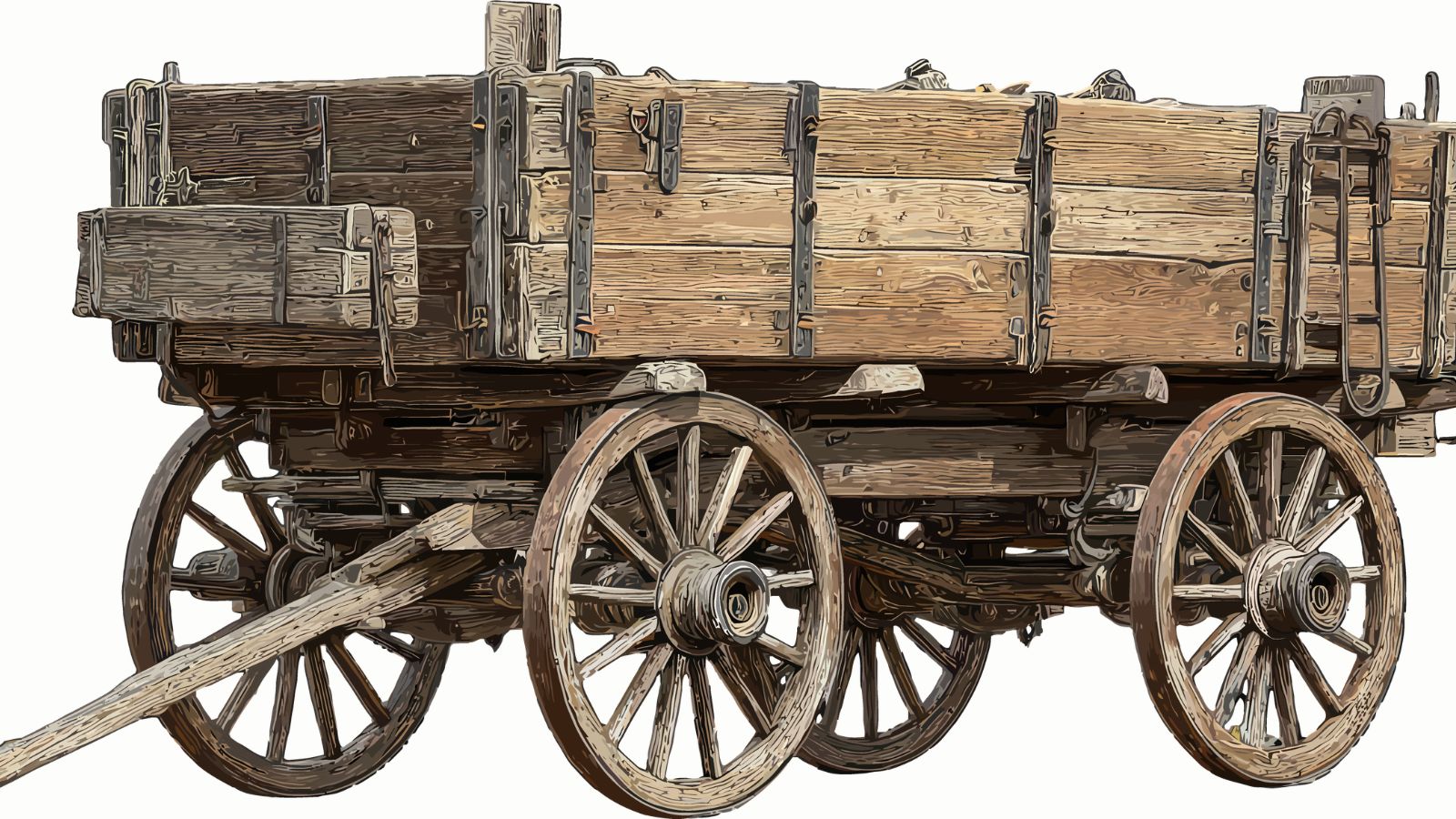
The word carpenter has a history that stretches back nearly 2,000 years. It comes from the Late Latin word carpentarius, meaning “wagon maker” or “cart builder.” This, in turn, is derived from carpentum, a two-wheeled carriage or wagon commonly used in the Roman world. A carpentarius was originally a skilled craftsman who built these wooden vehicles, combining precision, engineering, and artistry.
As societies evolved, so did the profession. The expertise required to construct sturdy wagons naturally extended to shaping timber for buildings, bridges, furniture, ships, and other wooden structures. The meaning of the word broadened from a specialist in wagon-making to a craftsman who worked with wood in general.
Today, a carpenter is associated with constructing and repairing everything from homes and roofs to cabinets and intricate woodwork. Although modern carpenters use advanced tools and materials, the name still carries the legacy of those early Roman craftsmen whose primary responsibility was building wooden wagons that kept people and goods moving. The evolution of the word reflects how a specialized trade gradually expanded into one of the world’s oldest and most essential professions.