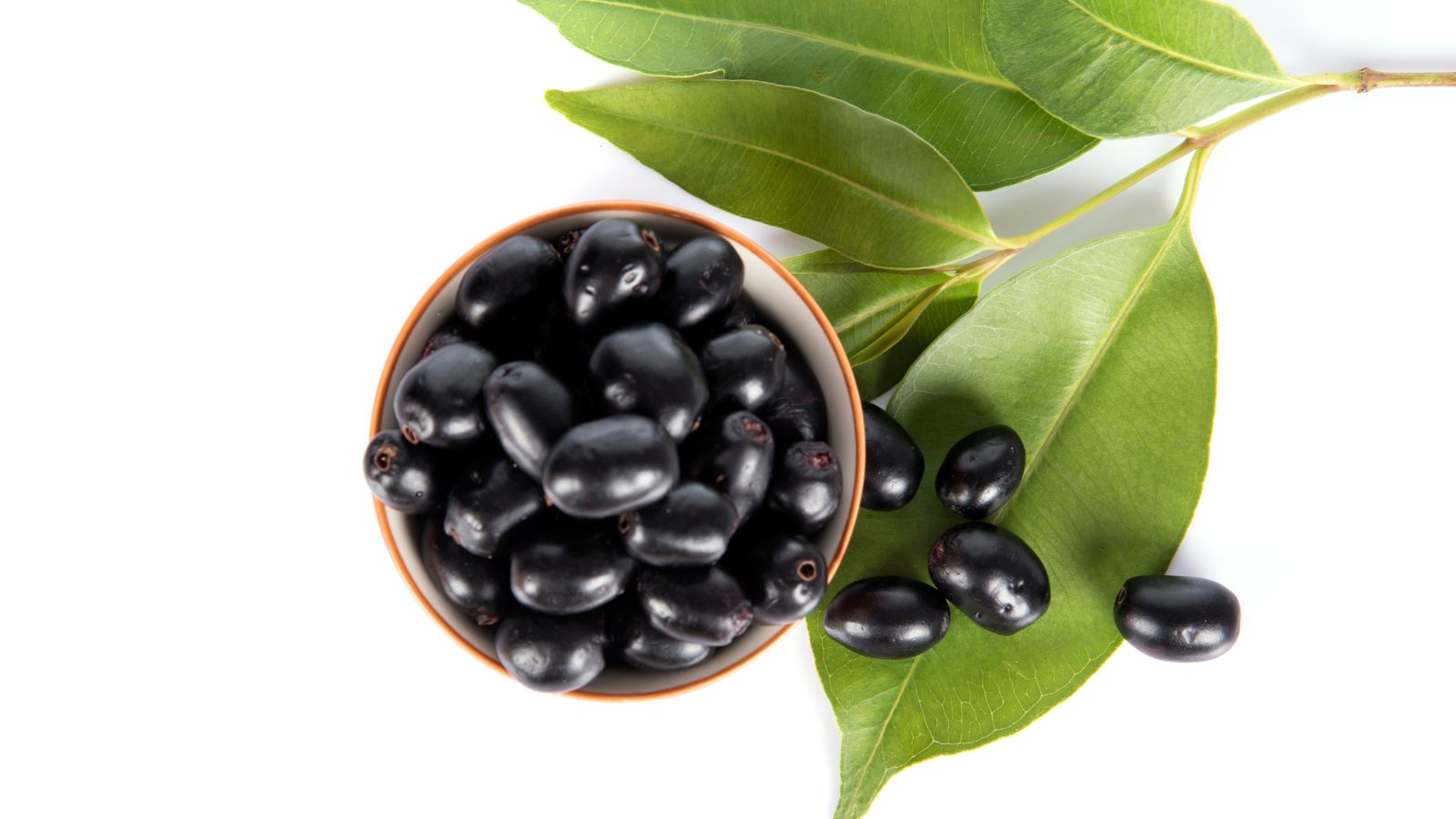
This year, many parts of India are witnessing an unusually abundant crop of jamun (Syzygium cumini). As photos of heavily laden trees circulate on social media, so do claims that the trees are “predicting” a drought next year and are therefore producing extra fruit now. The explanation often invokes a phenomenon called masting.
Masting is a biological pattern in which some tree species produce exceptionally large seed or fruit crops in certain years and much smaller crops in others. Scientists have documented this behavior extensively in species such as oaks, beeches, and other forest trees. However, masting is not a conscious response to an anticipated drought. Trees do not possess a mechanism to foresee future rainfall patterns months in advance.
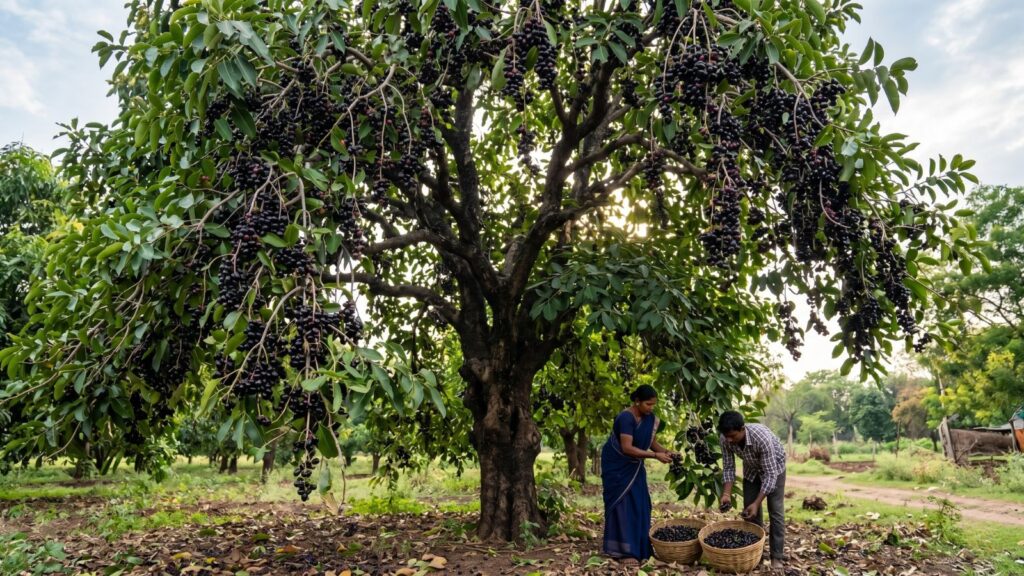
For jamun, heavy fruiting is generally linked to factors such as weather conditions during flowering, pollination success, stored energy reserves, tree maturity, genetics, and local environmental conditions. In jamun, a relatively dry period before flowering can sometimes favor floral induction and improve fruit set. Adequate moisture and favorable temperatures during subsequent growth stages can further enhance yields.
This means that a bumper jamun harvest is better understood as a reflection of conditions that have already occurred rather than a prediction of conditions yet to come. The tree is responding to its recent environment, not forecasting the future.
If jamun trees in your neighborhood are bending under the weight of fruit, the most likely explanation is a favorable growing season, not a botanical warning of an impending drought. The harvest tells a story about the past year’s weather, not the next year’s monsoon.