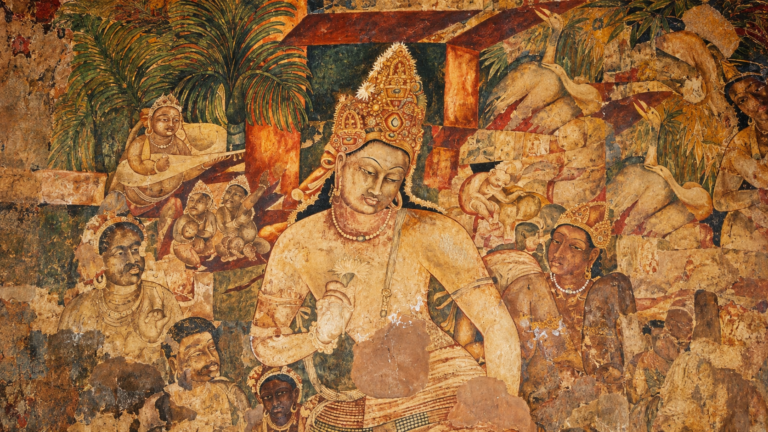
Every civilization has celebrated teachers in some form, but few traditions place them as deeply at the center of spiritual life as India does. Guru Purnima, observed on the full moon of the Hindu month of Ashadha, is dedicated to expressing gratitude to the guru, the one who dispels ignorance and guides the seeker toward knowledge and self-realization. In 2026, Guru Purnima falls on July 29.
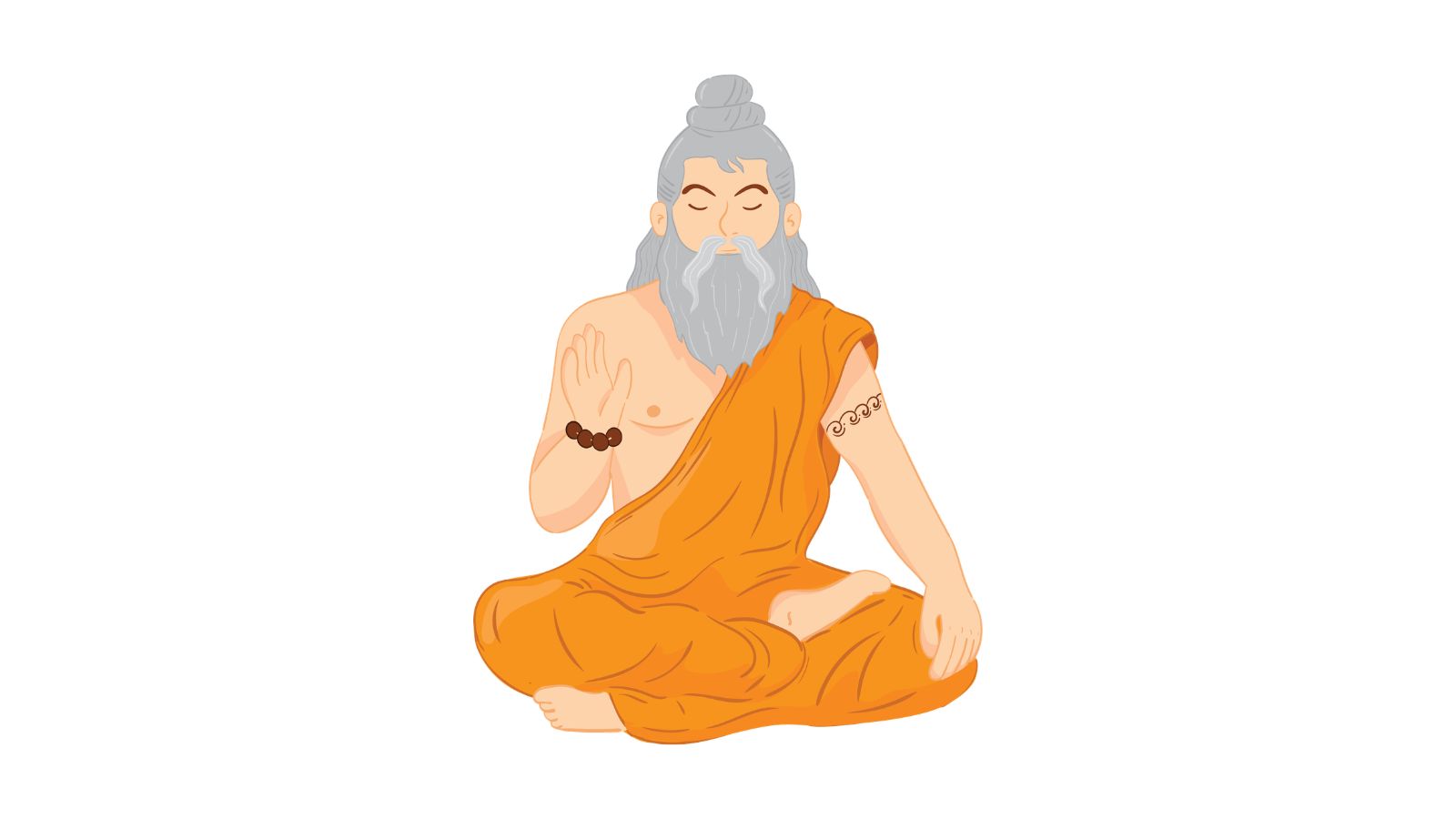
The word guru comes from Sanskrit, where gu means darkness and ru means remover. A guru is therefore not merely an instructor but one who illuminates the path to truth. This understanding extends beyond religion. Parents, schoolteachers, mentors, philosophers, and anyone who transforms our understanding of life can be regarded as gurus.
The festival is traditionally associated with Sage Vyasa, who is credited with compiling the Mahabharata and organizing the Vedas into four collections, making sacred knowledge more accessible to future generations. For this reason, Guru Purnima is also known as Vyasa Purnima.
Across India and many other countries, devotees mark the day by offering prayers, expressing gratitude to their teachers, studying sacred texts, and reflecting on the lessons that have shaped their lives. Many spiritual organizations conduct discourses, meditation sessions, and charitable activities. The day also holds significance in Buddhism, as it commemorates the Buddha’s first sermon at Sarnath after attaining enlightenment. In Jainism, it is linked to Lord Mahavira accepting Gautama Swami as his first disciple.
Guru Purnima is a reminder that knowledge is not measured by information alone but by inner transformation. It invites us to acknowledge those who have helped us see more clearly, think more deeply, and live more wisely. In honoring the guru, we also renew our own commitment to learning, humility, and the lifelong pursuit of truth.