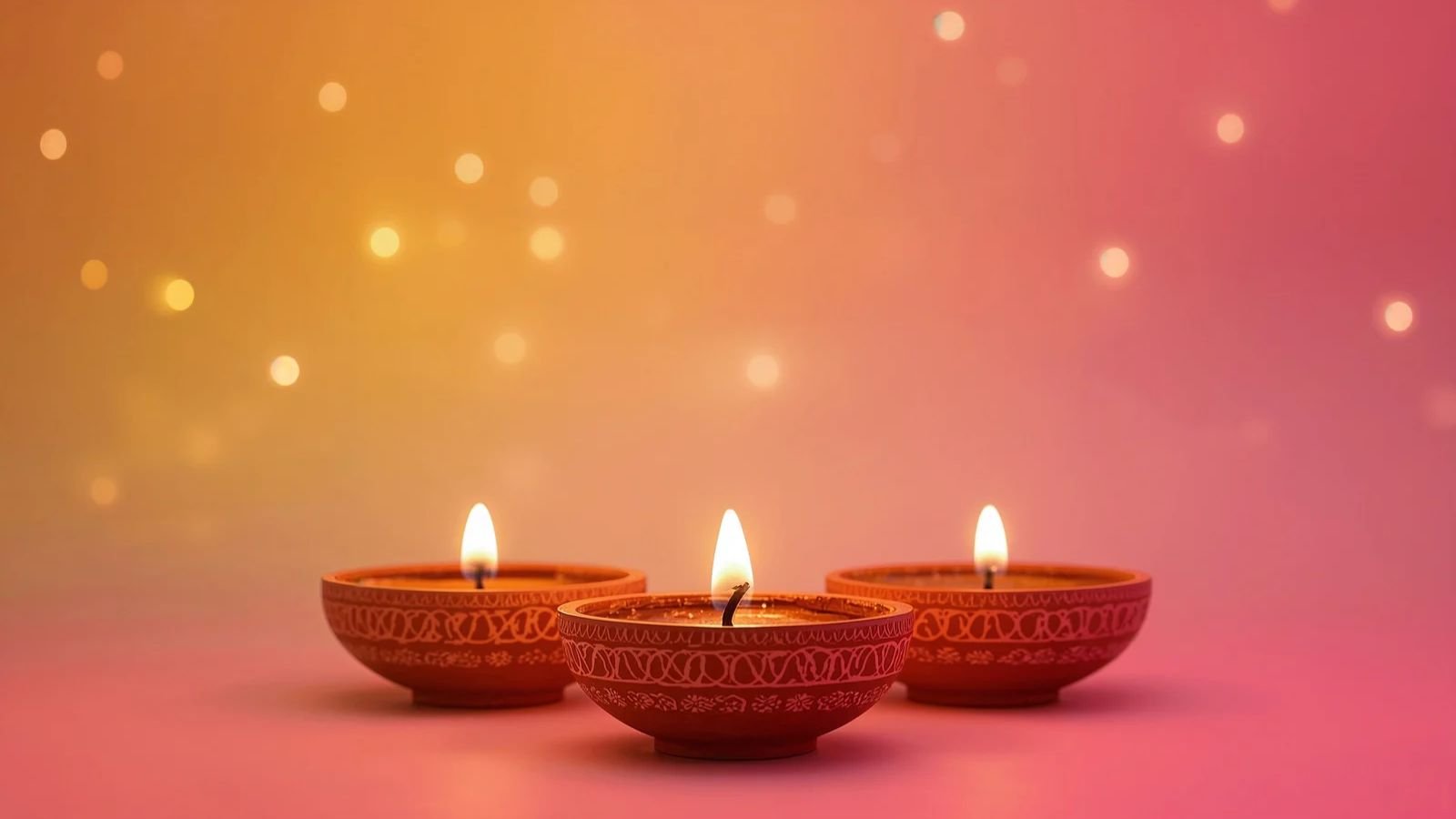
Diwali, also known as Deepavali, is one of India’s most widely celebrated festivals. Derived from the Sanskrit words dīpa (lamp) and āvalī (row), Deepavali literally means “a row of lamps.” Celebrated on Amavasya (the new-moon day) of the Hindu lunar month of Ashwayuja (Ashvina), corresponding to Kartika Amavasya in the North Indian calendar, Diwali symbolises the triumph of light over darkness, knowledge over ignorance, and good over evil.
The Ramayana connection
The most popular mythological explanation for Diwali comes from the Hindu epic Ramayana. After spending 14 years in exile, Lord Rama returned to Ayodhya with his wife Sita, brother Lakshmana, and Hanuman following his victory over the demon king Ravana. According to popular tradition, the people of Ayodhya welcomed them by illuminating the kingdom with thousands of oil lamps. This celebration of Rama’s homecoming is widely regarded as the origin of the tradition of lighting diyas, particularly in North India.
Other Hindu traditions
Diwali is associated with several stories and deities. In many parts of India, the preceding day, Naraka Chaturdashi—also called Choti Diwali—commemorates Lord Krishna’s victory over the demon Narakasura. The main Diwali night is dedicated to Lakshmi Puja, when devotees clean and decorate their homes, light lamps, and worship Goddess Lakshmi, the Hindu deity of wealth and prosperity, along with Lord Ganesha, who is revered as the remover of obstacles and bestower of wisdom.
Regional traditions add further meaning. In Bengal, Odisha, and Assam, Diwali coincides with Kali Puja, honoring Goddess Kali. In parts of western and southern India, it is also linked with the legendary King Bali, whose annual return is welcomed during the festival. Some traditions also connect Diwali with the return of the Pandavas from exile in the Mahabharata.
Significance beyond Hinduism
Diwali holds deep significance beyond Hinduism. For Jains, it marks the day Lord Mahavira, their 24th Tirthankara, attained nirvana. For Sikhs, it commemorates the release of Guru Hargobind from imprisonment at Gwalior Fort in 1619, along with 52 princes. According to tradition, Guru Hargobind secured their freedom by insisting that they be allowed to leave with him.
A five-day celebration
For many communities, Diwali is part of a five-day festival. It begins with Dhanteras, a day associated with health, wealth, and prosperity. The second day is Naraka Chaturdashi, followed by the main Diwali night of Lakshmi Puja. The fourth day is observed as Govardhan Puja or Balipratipada, and the festival concludes with Bhai Dooj, which celebrates the bond between brothers and sisters.
Across regions, Diwali is marked by cleaning and decorating homes, creating rangoli, exchanging sweets and gifts, worshipping deities, and lighting rows of diyas. Beyond its religious meanings, it is a celebration of renewal, hope, family, and togetherness. The lighting of a small diya carries a timeless message: even a little light can dispel considerable darkness.