Cyclones Arnab and Murasu, which recently made headlines in India, have names that sound unusual but are part of a carefully planned international naming system. Arnab, the name suggested by Bangladesh, means ocean or sea in Bengali. Murasu, contributed by India, is a Tamil word referring to a traditional large drum, historically used during wars, celebrations and to alert people to impending danger. But who decides these names, and how does a cyclone get one?
The practice of naming tropical cyclones over the North Indian Ocean, covering the Bay of Bengal and the Arabian Sea, took effect in September 2004. The initiative was agreed upon by the World Meteorological Organization (WMO) and the United Nations Economic and Social Commission for Asia and the Pacific (UNESCAP). The primary objective was to make cyclones easier to identify, remember and communicate, particularly when multiple storms occur simultaneously. A name is considerably easier to remember than geographical coordinates or technical weather classifications.
Initially, eight countries contributed names: Bangladesh, India, Maldives, Myanmar, Oman, Pakistan, Sri Lanka and Thailand. In 2018, five more countries joined the panel: Iran, Qatar, Saudi Arabia, the United Arab Emirates and Yemen. The revised list, adopted in April 2020, contains 169 names, with each of the 13 participating countries contributing 13 names.
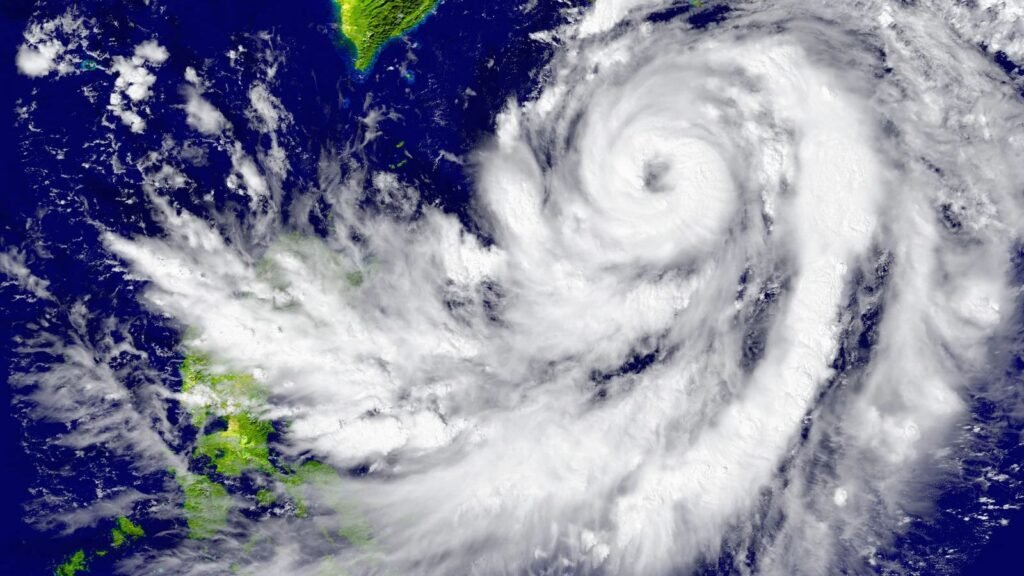
How are the names selected?
Each country submits a list of 13 proposed names, which undergo scrutiny and approval by the regional panel. The names must be short, easy to pronounce, non-offensive and no longer than eight letters. They should avoid political, religious, cultural or gender-specific connotations that could hurt the sentiments of any community.
The countries are arranged alphabetically, and the names are used sequentially, column by column. The India Meteorological Department (IMD), through its Regional Specialized Meteorological Centre in New Delhi, assigns the next available name when a weather system reaches cyclonic storm intensity, with sustained winds of at least 34 knots (approximately 62 kmph). The same naming sequence applies to both the Arabian Sea and the Bay of Bengal, irrespective of where a cyclone develops or makes landfall. Once used, a name is not repeated.
Some famous cyclones that struck India have interesting names. Hudhud, which struck Visakhapatnam in 2014, was named after the hoopoe, a crested bird, and the name was contributed by Oman. Phailin, which devastated parts of Odisha in 2013, means sapphire in Thai. Fani, proposed by Bangladesh, which struck Odisha in 2019, means the hood of a snake in Bengali. Tauktae, which affected India’s western coast in 2021, means gecko in Myanmar’s language. Nisarga, proposed by Bangladesh, which made landfall near Maharashtra in 2020, means nature, while Amphan, which affected West Bengal in the same year, means sky in Thai.
A cyclone’s name may come from one country, but its impact can be felt across many. The naming system is a reminder that natural disasters recognize no borders, making international cooperation essential for timely warnings and effective disaster preparedness.