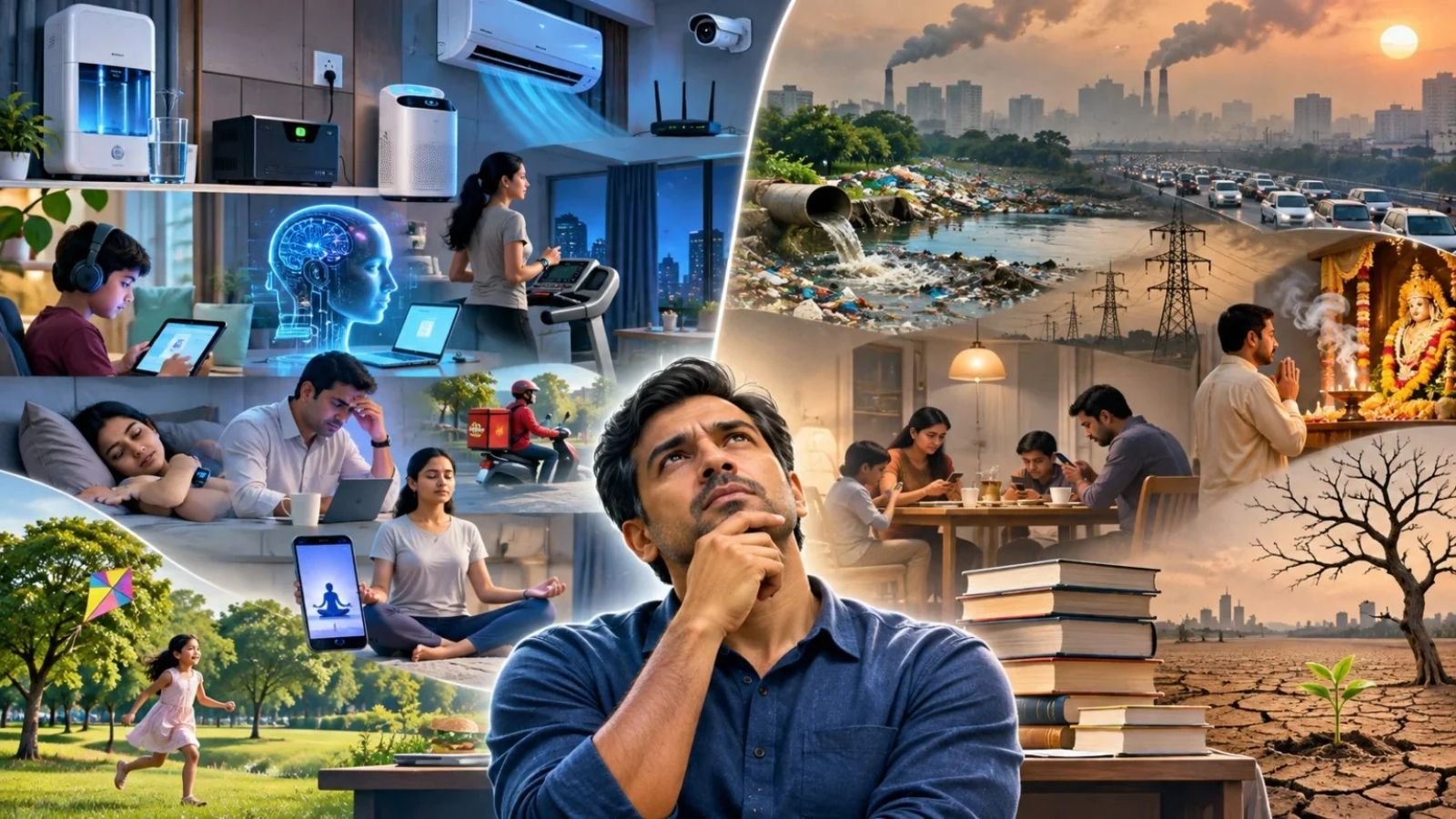
We often measure progress by the conveniences we bring into our homes and the lifestyle we can afford. Water purifiers, air purifiers, UPS systems, air conditioners and smart appliances are considered symbols of prosperity. But look a little deeper, and many of these conveniences tell a different story. They are a reminder of the problems we have created in the name of development.
Consider the water purifier. We spend thousands of rupees to make drinking water safe because we have polluted the rivers, lakes and groundwater that once supplied us with clean water. Air purifiers are no different. We shut our windows and run machines to breathe comfortably because the air outside has become increasingly unhealthy. Inverters and UPS systems have become household essentials because reliable electricity cannot always be taken for granted.
The ironies extend to almost every aspect of our lives.
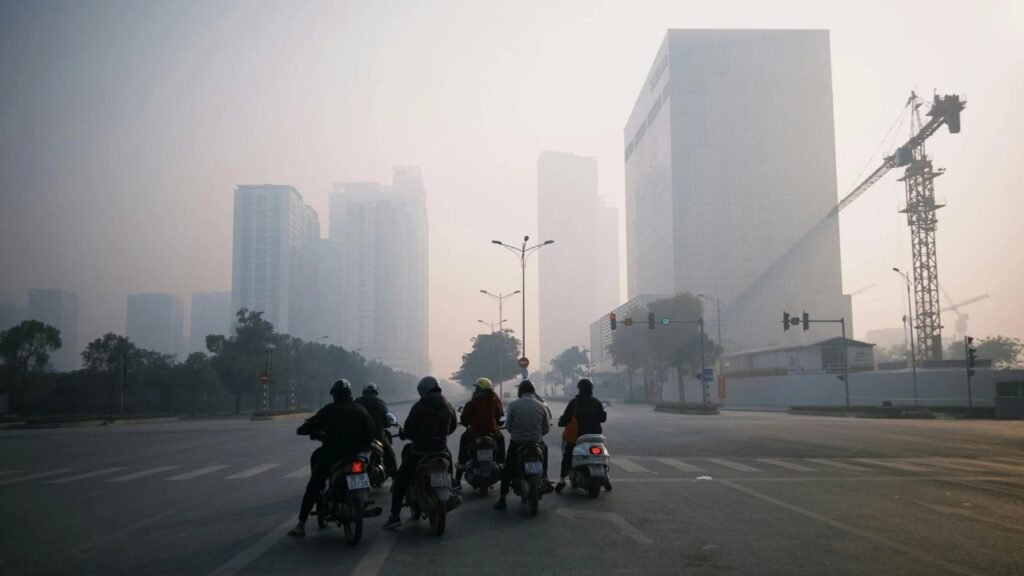
We buy bottled water while living in a world blessed with rivers and lakes. We install air conditioners to escape the heat, even as expanding concrete landscapes and shrinking green cover contribute to rising urban temperatures.
We purchase expensive gym memberships, fitness bands and smartwatches to compensate for the physical activity our sedentary lifestyles have taken away. We use meditation apps to find peace, sleep trackers to understand our disturbed sleep and expensive wellness retreats to recover from the stress of everyday living.
We have refrigerators filled with food but increasingly depend on food delivery apps because we have neither the time nor inclination to cook. We have hundreds of television channels and streaming platforms but often complain that there is nothing worth watching.
Perhaps the greatest irony is that we live in an age of artificial intelligence and an ocean of information, with knowledge available at our fingertips, yet we struggle to develop the habit of reading, learning. We have search engines that can answer almost any question, but our attention spans are shrinking and our willingness to explore subjects deeply seems to be diminishing.
Our smartphones connect us to people across continents, yet we sometimes struggle to have a meaningful conversation with the person sitting beside us. We have hundreds of social media friends but may not know our neighbors.
Even our approach to faith presents an interesting contradiction. We perform elaborate rituals, conduct poojas and seek divine intervention, yet sometimes hesitate to confront our own shortcomings or take responsibility for our actions. We seek refuge in religious practices, hoping for favorable outcomes, while overlooking the values of honesty, compassion, discipline and accountability that these very traditions teach us. Rituals can provide solace, but they should not become an escape from reality or a substitute for responsible action.
None of these products, technologies or practices is inherently bad. Most offer genuine benefits. But their growing necessity, and the contradictions in how we use them, raise an uncomfortable question: Are we improving the quality of life, or merely finding increasingly elaborate ways to compensate for its deterioration?
Perhaps progress should not be measured by how many problems technology can solve, how much information we can access or how many rituals we perform, but by how wisely we live and how many problems we prevent.
A truly developed society would be one where clean water flows from our taps, fresh air enters through our windows, children can play safely outdoors, people have time for one another, knowledge translates into wisdom and faith inspires us to act better.
After all, what is the point of having everything money can buy, knowing everything technology can tell us and performing every ritual we can think of, if we fail to live a life that reflects empathy, wisdom, and responsibility?


This was a really interesting read. It’s bittersweet because it makes so much sense, yet it’s also harsh and impossible to escape. There’s a certain uneasiness that comes with it, but what struck me most is how intricately it’s woven into our everyday lives, often without us even realising it.
Thank you, Hari for sharing your thoughts.