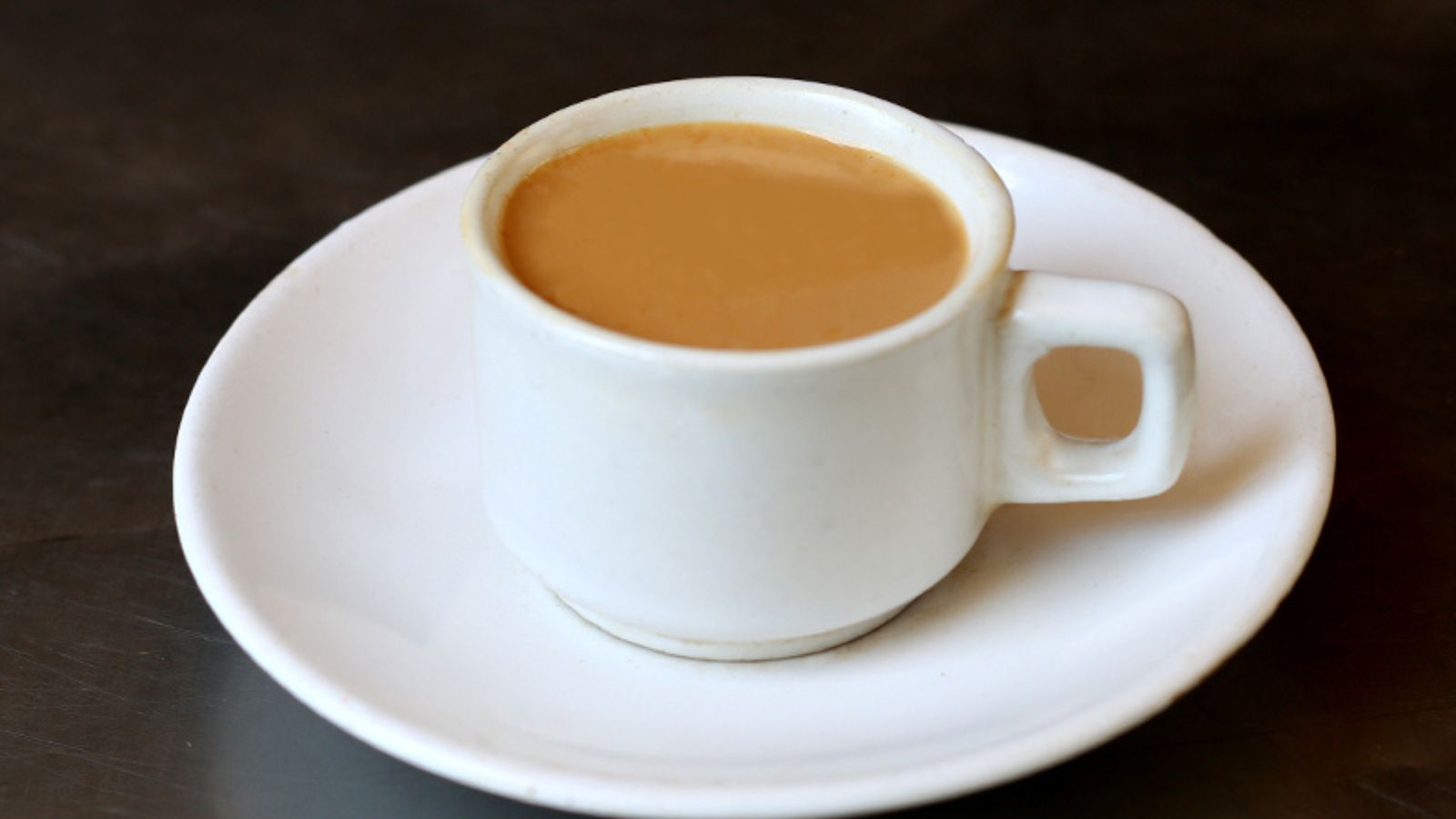
Walk through any lane of Hyderabad or Secunderabad, and you will find the ubiquitous Irani café serving Irani chai. This popular beverage is a cultural bridge between Persia and India, preserved in a porcelain cup.
The Journey from Persia to India
The story of Irani chai begins in the late 19th and early 20th centuries. During this period, Iran faced significant economic hardship, political instability, and a series of devastating droughts. Seeking better prospects, many Iranian Zoroastrians from Yazd and Kerman migrated to the Indian subcontinent.
While many settled in Mumbai and Pune, a significant number travelled further south to Hyderabad, drawn by the prosperity of the Nizam’s era. These immigrants brought with them a distinct café culture. Unlike local tea stalls, they established spacious cafés with high ceilings, bentwood chairs, and marble-topped tables, creating social hubs where people from all walks of life could gather.
What Makes Irani Chai Unique?
To the uninitiated, Irani chai may resemble standard milk tea, but its preparation is fundamentally different from that of the common Indian masala chai. Most local tea involves boiling water, milk, and tea leaves together in a single pot. Irani chai, however, uses a version of the dum method, where the components are prepared separately.
The Process
The process begins with a strong tea decoction, in which tea leaves are brewed in a sealed container for several hours. This method extracts a dark, concentrated base that forms the backbone of the drink.
At the same time, large quantities of full-cream milk are slow-boiled in wide vessels until significantly reduced. This careful reduction produces a thick, creamy base with a slightly caramelized flavor, sometimes enriched with milk solids.
The final beverage comes together only at the moment of serving. The server pours the rich milk into a porcelain cup and then adds the strong decoction. The two elements blend naturally without further boiling, preserving the distinct texture and depth that define an authentic Irani chai.
Interestingly, this style is not traditional in Iran, where tea is typically consumed black. Irani chai in India is therefore a hybrid, shaped by local tastes and ingredients. In Hyderabad, it evolved into a cultural ritual, often paired with Osmania biscuits and long conversations. Even a century later, Irani chai remains a symbol of how migration can reshape food, turning a simple cup of tea into a shared heritage.