Every press release ends with the same paragraph: a fixed, polished description of the company that never changes regardless of the news above it. In PR, this is the boilerplate. But the name has nothing to do with public relations. It comes from steel and steam.
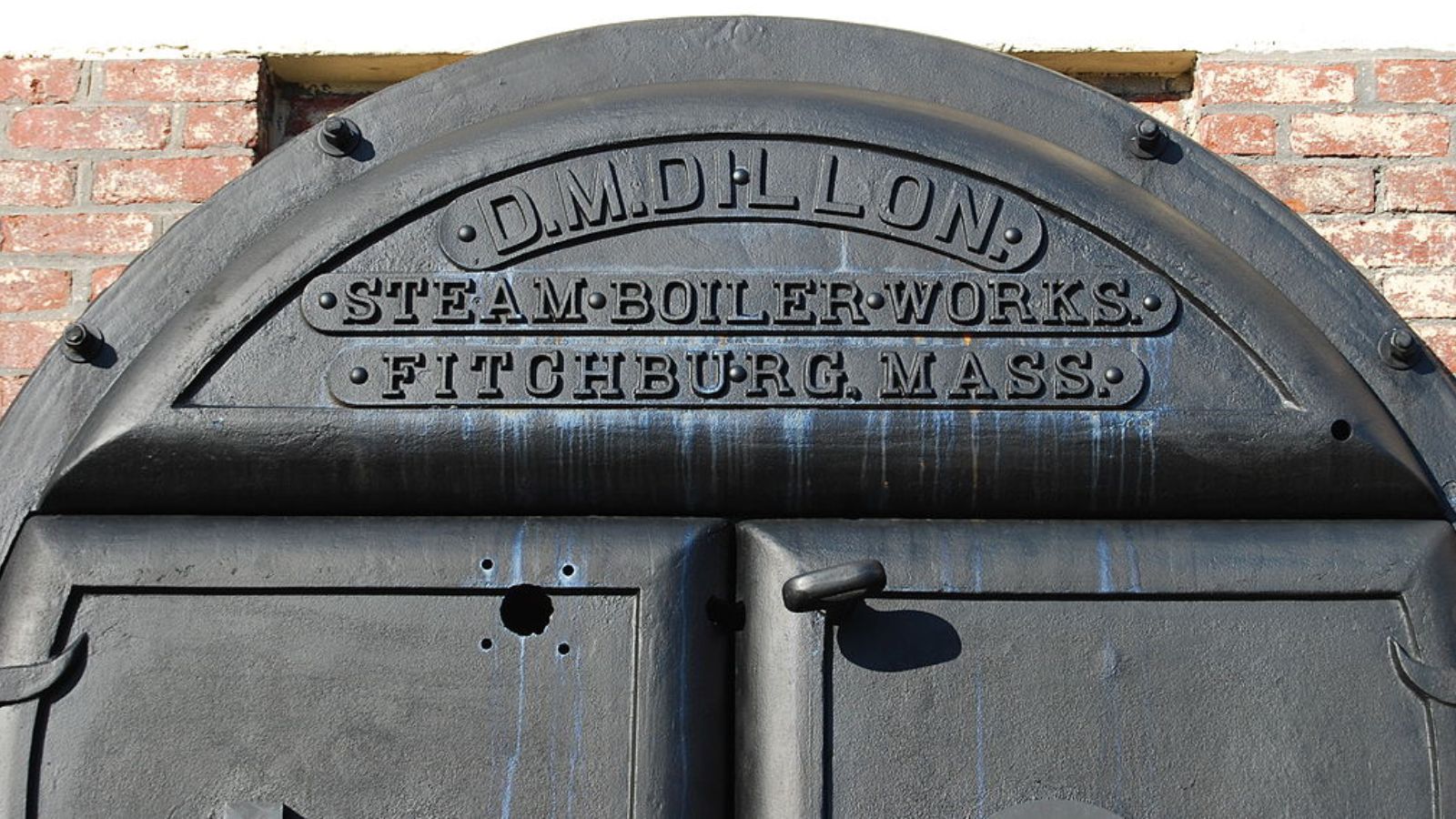
In the nineteenth century, industrial boilers were built from thick, rolled steel plates. These plates were standardized, interchangeable, and virtually identical from one boiler to the next. The newspaper industry borrowed the metaphor. Syndicates distributed pre-written columns, advertisements, and filler content to smaller papers across the country, cast into reusable metal printing plates. Just as steel boilerplates formed the backbone of industrial machinery, textual boilerplates provide a reliable foundation for corporate messaging. They ensure that every press release carries a consistent narrative, regardless of the news being announced.
By the early twentieth century, the term had migrated from the pressroom into law, where standard contract clauses that required no negotiation were called boilerplate language. Corporate communications adopted it next, applying it to any fixed, reusable block of text that traveled unchanged from document to document.
The company description at the bottom of your press release is a direct descendant of a nineteenth century steel plate. Standardized then. Standardized now. The only thing that changed is what it is made of.