Category Blog

Your blog category

Databricks and the rise of Lakehouse architecture

Databricks is a unified Data and AI platform built on a “Lakehouse” architecture, which combines the low-cost, flexible storage of data lakes with the governance, performance, and reliability of data warehouses. Born from the creators of Apache Spark, it bridges…

How Grafana makes sense of complex data

Grafana is an open-source monitoring and data-visualization platform designed to make sense of large volumes of time-series data. It was created in 2014 by Torkel Ödegaard, who named it after graph—the core element of data visualization—combined with a Scandinavian-style suffix,…

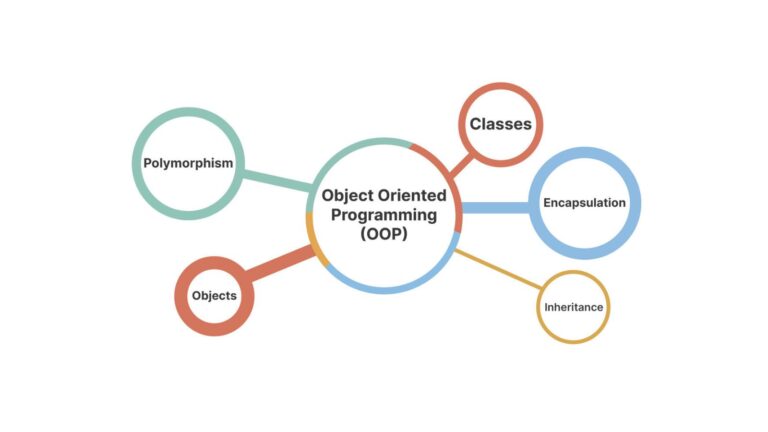
The digital building blocks: understanding OOP

Think of Object-Oriented Programming (OOP) as a way of organizing code like a set of LEGO bricks. Instead of a long list of instructions, you create “Objects” (like a ‘Car’ or a ‘User’) that hold both data and the actions…

logo of compart, the company behind DocBridge

Bridging the gap: The power of DocBridge product suite

The DocBridge Product Suite, developed by German software leader Compart, is a high-performance ecosystem designed for Customer Communication Management (CCM) and document output processing. While standard tools often struggle with proprietary file formats, DocBridge specializes in high-volume document conversion, modification,…

The evolution of automation: from Jenkins to CloudBees

While Jenkins serves as the core engine of modern DevOps, CloudBees CI is the enterprise-grade vehicle built around it. Open-source Jenkins offers a robust, community-driven framework, but CloudBees CI (the successor to the CloudBees Jenkins Platform) provides the scalability and…

Why Pondur Khadi owes its texture to a fish bone

Pondur, a small town in Andhra Pradesh’s Srikakulam district, is renowed for its centuries-old tradition of producing khadi of exceptional quality. This handspun, handwoven fabric has earned admiration from figures like Mahatma Gandhi, poet C. Narayana Reddy, and actor Akkineni…

How August got its name

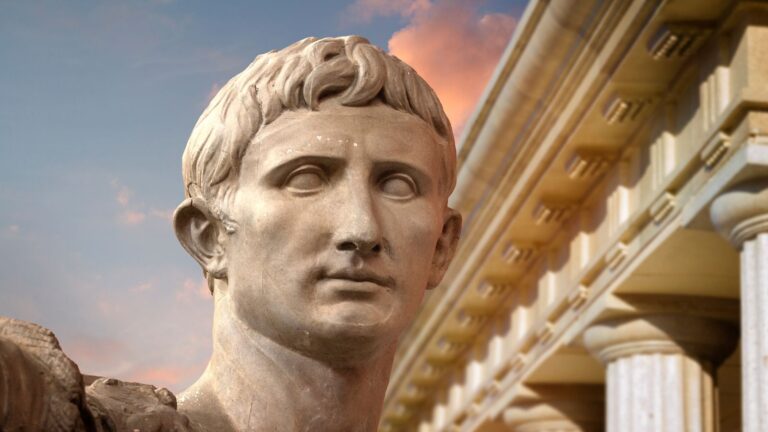
The month of August is named after Augustus Caesar (63 BC-14 AD), the first Roman emperor. Originally, the Romans called this month Sextilis, meaning the sixth month of their early 10-month calendar. In 8 BCE, the Roman Senate renamed it…