Category Heritage

The story behind Varanasi’s Shivala Ghat

Shivala Ghat is one of the historically significant riverfront steps along the Ganga in Varanasi. Located south of the more crowded central ghats, this ghat is known for its calm stretch of river, old temples, and palatial structures built by…

How Kos Minars guided travelers in Medieval India

Kos Minars are medieval milestones that once dotted the highways of northern India. The name combines “kos,” a traditional unit of distance (2 miles or roughly 3.22 kilometers), with “minar,” meaning tower or pillar. These solid brick-and-lime structures were first…

How did Carnatic music get its name?

Carnatic, the classical musical tradition of South India, derives its name not directly from the state of Karnataka, but from the word “Karnāṭaka Sangītam”. In Sanskrit, Karnāṭaka means “traditional” or “well-structured.” The term was used in medieval musicological texts to…

Decoding “Koil Alwar Thirumanjanam” in Tirumala

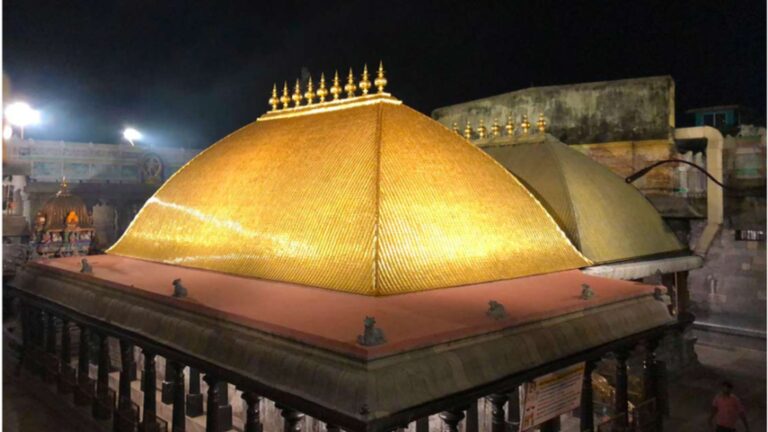
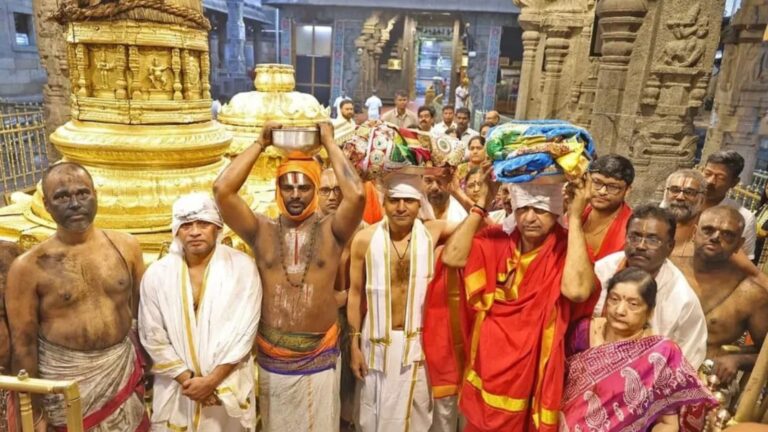
Koil Alwar Thirumanjanam is a purification ceremony undertaken at the Lord Venkateswara Temple in Tirumala. The term literally means “cleaning of the holy shrine” in Tamil, with Koil signifying holy shrine, Alwar meaning devotee/sanctified ones, and Thirumanjanam referring to an…