Category Mythology

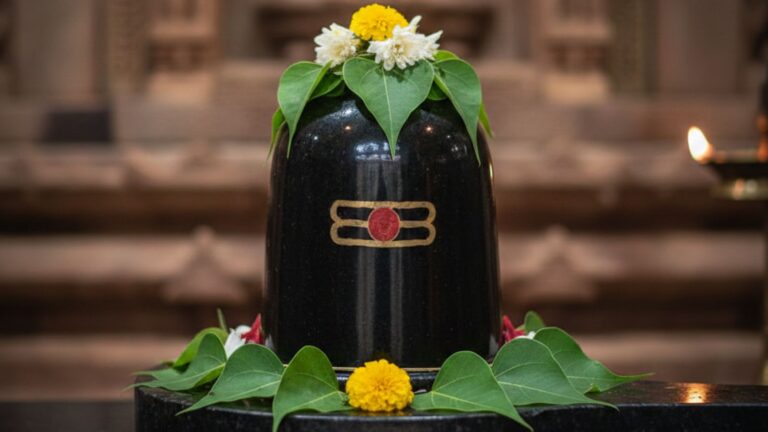
Why are bilva (bael) leaves offered to Shiva?

Among the many rituals associated with the worship of Lord Shiva, the offering of Bilva (Bel) leaves holds deep significance. It is associated with a timeless legend of devotion, remembered especially on Maha Shivaratri. The Puranas tell the story of…

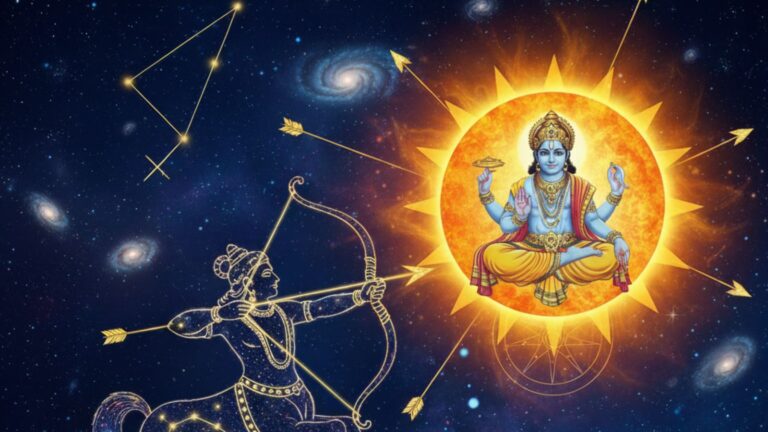
Why Tiruppavai replaces Suprabhatam in Dhanurmasam

Dhanurmasam is a sacred month in the Hindu calendar that spans mid-December to mid-January, when the Sun transits the zodiac sign Dhanus (Sagittarius). The name comes directly from this solar movement. Unlike many ritual periods defined by lunar days, Dhanurmasam…

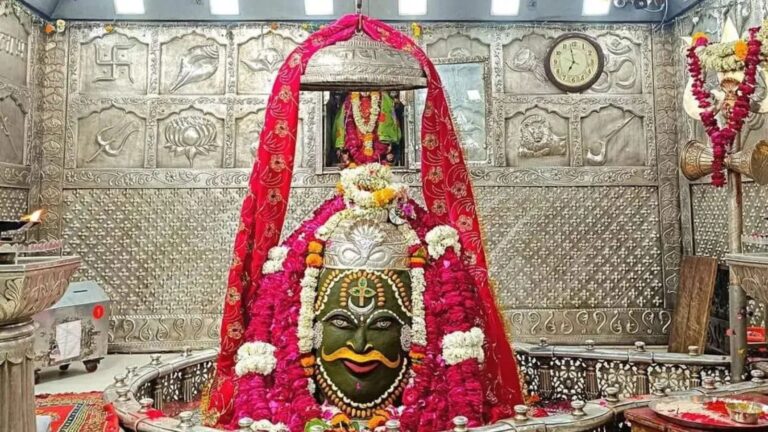
The story behind Varanasi’s Shivala Ghat

Shivala Ghat is one of the historically significant riverfront steps along the Ganga in Varanasi. Located south of the more crowded central ghats, this ghat is known for its calm stretch of river, old temples, and palatial structures built by…

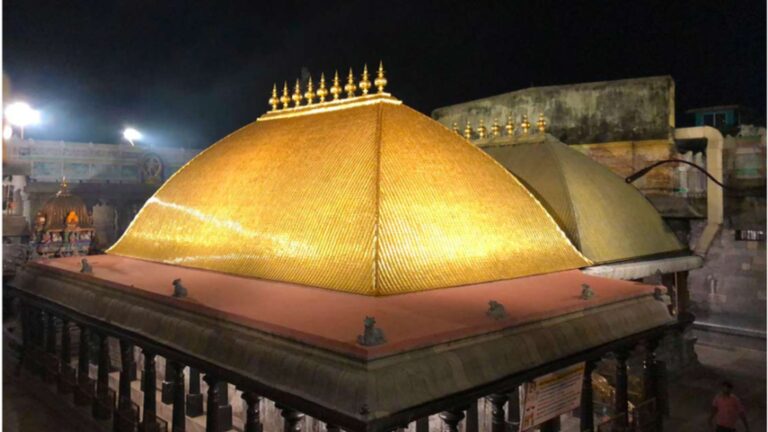
Decoding “Koil Alwar Thirumanjanam” in Tirumala

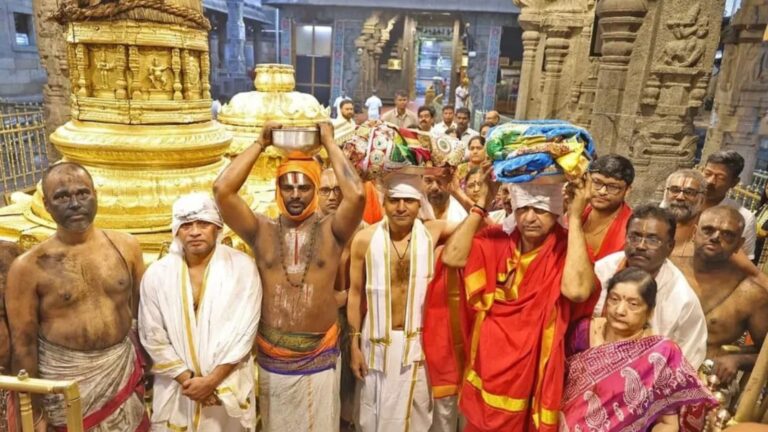
Koil Alwar Thirumanjanam is a purification ceremony undertaken at the Lord Venkateswara Temple in Tirumala. The term literally means “cleaning of the holy shrine” in Tamil, with Koil signifying holy shrine, Alwar meaning devotee/sanctified ones, and Thirumanjanam referring to an…

Why Lord Ganesha’s Idol is Immersed After Ten Days

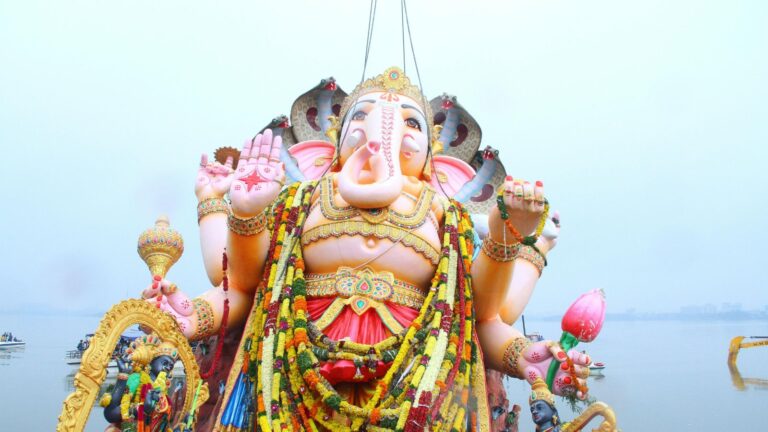
During Ganesh Chaturthi/Vinayaka Chavithi, devotees bring home or install Lord Ganesha’s idol and worship him for ten days, marking his symbolic presence on earth. The worship culminates with the immersion or Visarjan, which has a spiritual and cultural meaning. According…