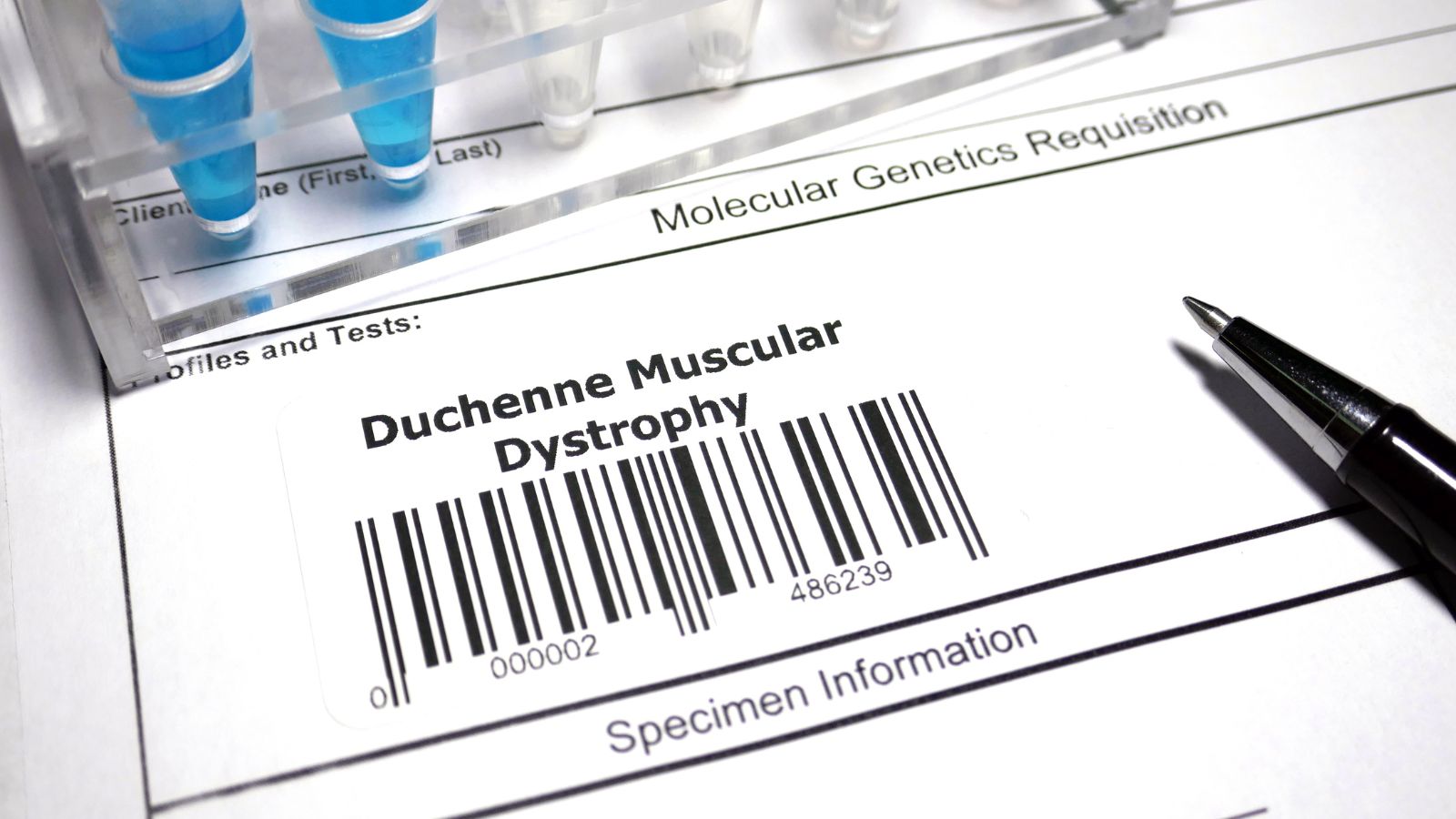
We often see news stories about a baby diagnosed with DMD, with families turning to crowdfunding and kind strangers to afford a life-saving injection.
Duchenne Muscular Dystrophy (DMD) is a rare but severe genetic disorder that mainly affects children, especially boys. It is named after the 19th-century French neurologist Guillaume-Benjamin-Amand Duchenne, who first documented the condition.
DMD is caused by mutations in the dystrophin gene on the X chromosome. This gene produces dystrophin, a vital protein that acts like a shock absorber for muscle cells, strengthening and protecting them from damage during movement. Without dystrophin, muscle fibers become fragile, break down easily, and are gradually replaced by fat and scar tissue.
Chromosomes determine biological sex: boys have one X and one Y (XY), while girls have two X chromosomes (XX). If a boy’s single X chromosome carries the faulty gene, there’s no backup copy and the disease develops. Girls usually have a healthy second X chromosome that makes up for the faulty one. While girls typically don’t develop the condition, they can still pass the faulty gene to their children. This is why DMD affects about 1 in 3,500–5,000 boys worldwide, while it is extremely rare in girls.
Symptoms begin between ages 2 and 5: delayed walking, frequent falls, toe-walking, stair-climbing difficulty, and enlarged calves. Many patients lose the ability to walk by their early teens and may develop heart and breathing complications.
Advanced gene therapies like Elevidys cost several crores because they use engineered viral vectors, which act as harmless, modified viruses designed to act as delivery vehicles. Scientists remove the virus’s disease-causing parts and replace them with a functional version of the dystrophin gene. Once injected into the bloodstream, these vectors travel through the body, enter muscle cells, and release the genetic instructions needed to produce dystrophin.
Designing these vectors is extraordinarily complex: they must be safe, precisely targeted, capable of carrying large genetic material, and manufactured in ultra-sterile facilities at microscopic scales. Add years of research, highly specialized biomanufacturing, tiny patient populations, and strict regulatory testing, and each dose becomes extraordinarily expensive, yet potentially life-changing.