On November 10, the IRCTC website crashed during tatkal booking hours, leaving thousands of passengers struggling to book tickets. Indian Railways attributed the disruption to an unusually heavy rush of bookings ahead of Chhath Puja. The incident offers a glimpse into the massive travel rush associated with this annual celebration, when millions of people travel home to observe the festival with their families. What makes Chhath Puja so special? Let’s take a closer look at it.
Chhath Puja is a festival celebrated with great devotion in Bihar, Jharkhand, eastern Uttar Pradesh, and parts of Nepal in the Terai and Madhesh regions. It is also observed by communities in other parts of India and abroad.
Celebrated in the Hindu lunar month of Kartika, its principal day—Sandhya Arghya—falls on Kartika Shukla Shashthi, six days after Diwali. The four-day observance begins two days earlier, on Kartika Shukla Chaturthi. The festival is dedicated primarily to the worship of Surya, the Sun God, and Chhathi Maiya, a deity traditionally associated with the well-being and protection of children.
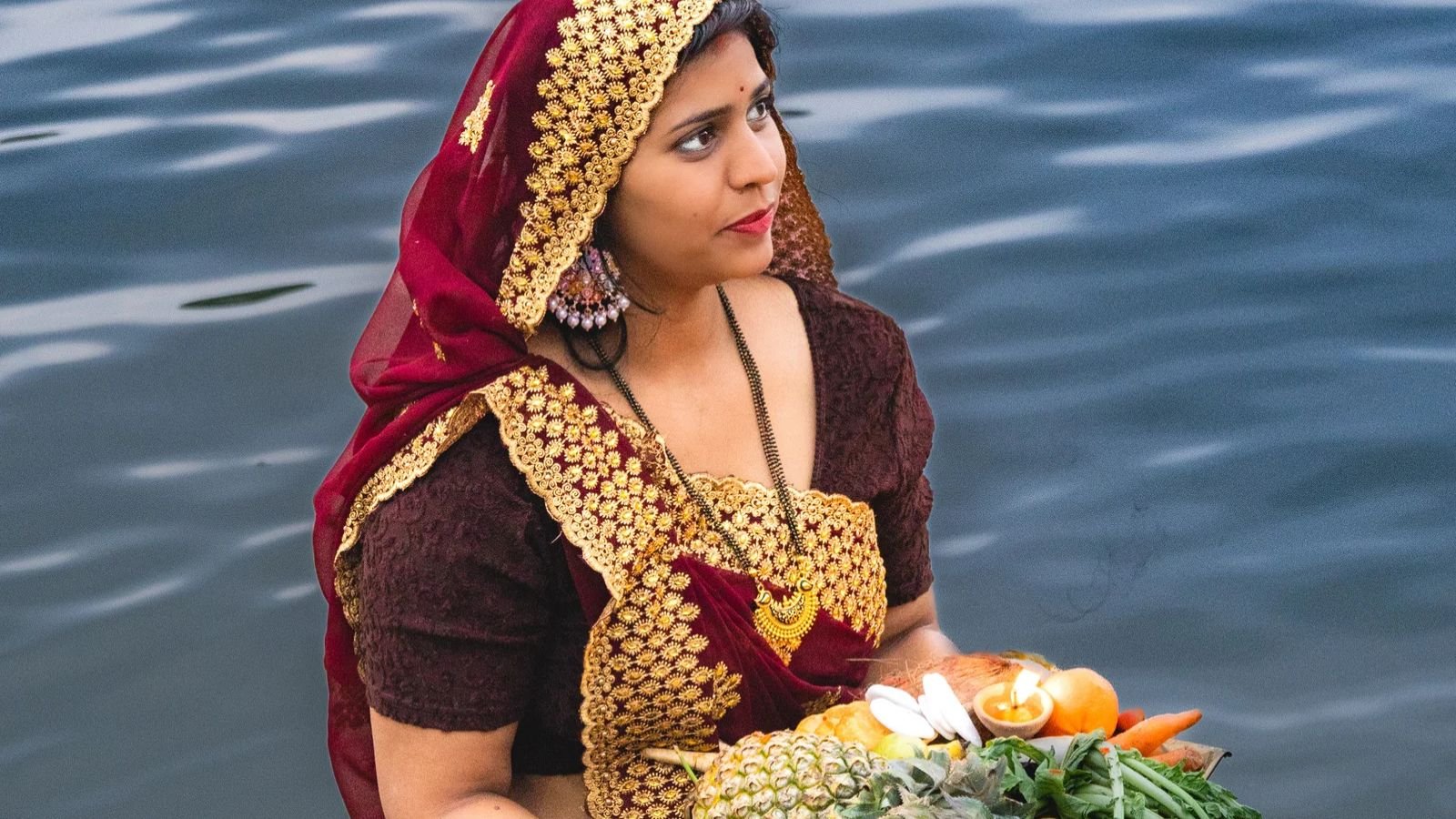
The word Chhath is derived from the Sanskrit word Shashthi, meaning “six,” referring to the sixth lunar day on which the principal worship takes place. Unlike many Hindu festivals, Chhath is primarily a household and riverbank-centered observance rather than a temple-centered one. Devotees, known as vratis, observe strict rituals involving fasting, cleanliness, prayer, and offerings made while standing in rivers, ponds, or other water bodies.
The festival is observed over four days. It begins with Nahay Khay, when devotees take a ritual bath and eat a simple, traditionally prepared meal. The second day, Kharna, involves fasting through the day, followed by an evening offering of kheer and other traditional food. The third day, Sandhya Arghya, is the principal evening ritual, when devotees offer arghya—prayers, water, light, and offerings—to the setting Sun. On the fourth morning, Usha Arghya, they offer prayers to the rising Sun before concluding the fast.
What does Chhath Puja signify?
Chhath is an expression of gratitude to the Sun, which sustains life on Earth through light and energy. Devotees pray for the health, longevity, and prosperity of their families, particularly the well-being of children. Chhathi Maiya, also known as Shashthi Devi, is worshipped for protection and blessings for children and families.
One of the most remarkable aspects of Chhath is the worship of both the setting and rising Sun. The evening offering acknowledges the Sun’s contribution throughout the day, while the morning offering expresses gratitude for the renewal of life and energy. This makes the festival a powerful reminder of humanity’s dependence on nature.
Chhath is also associated with ancient traditions of Sun worship and is popularly traced to Vedic-era practices, though its precise historical origins cannot be established with certainty. Popular accounts also connect the festival with episodes from the Ramayana and Mahabharata, but these remain traditional associations rather than established history.
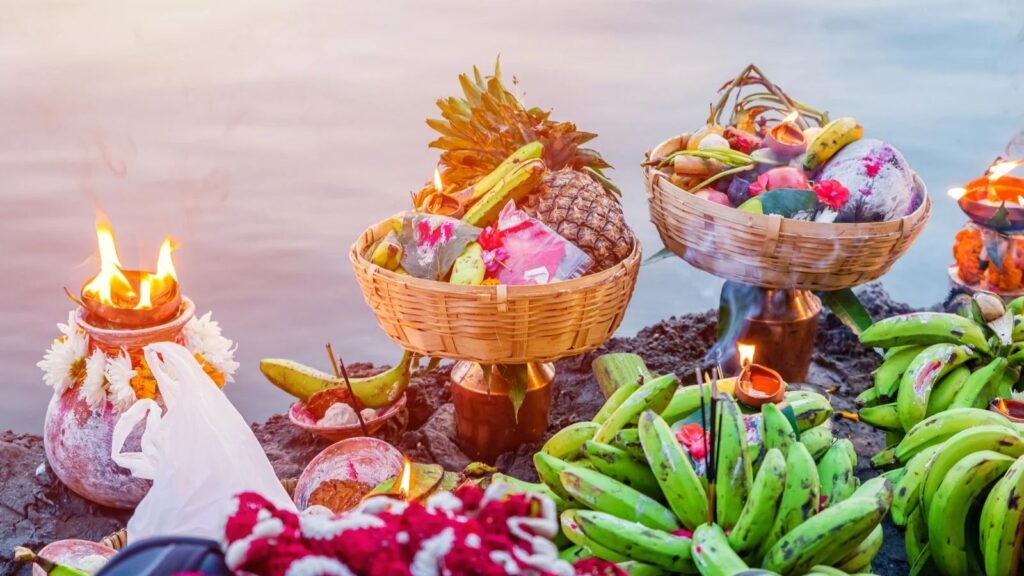
Beyond religious observance, Chhath represents discipline, simplicity, environmental awareness, and community participation. Its rituals bring people together at riverbanks and ponds, often irrespective of social distinctions. Traditional offerings include seasonal fruits, sugarcane, coconut, and thekua, a sweet prepared from wheat flour and jaggery.
Chhath reminds us to respect the natural forces that make life possible. It is celebrated twice a year: during Kartika (October–November), following Diwali, and during Chaitra (March–April), known as Chaiti Chhath. The Kartika observance is prominent in Bihar and neighboring regions.