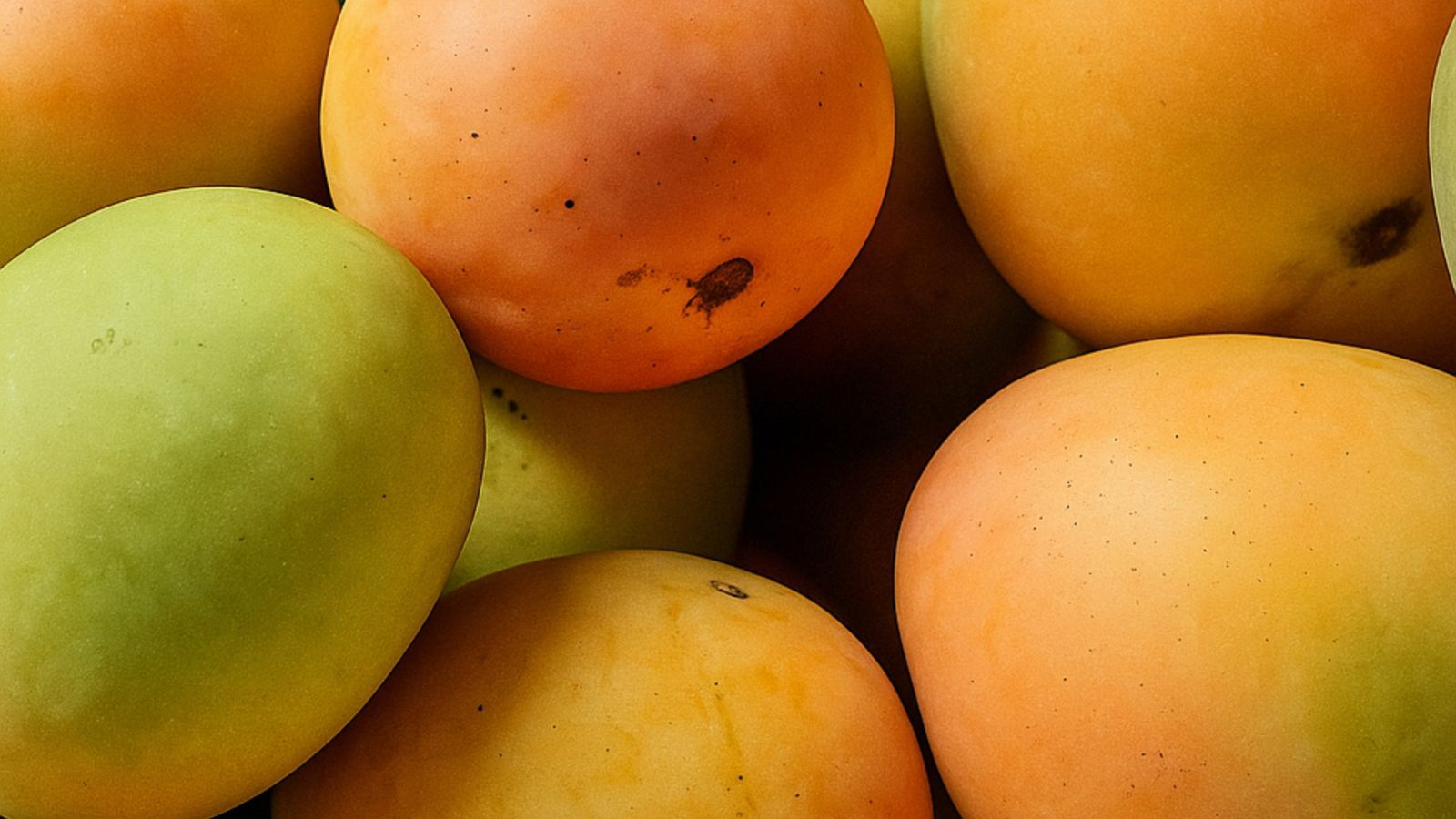
The Alphonso mango (Mangifera indica cv. Alphonso), known locally as Hapus, is considered among the finest mango varieties in the world. What sets it apart is its extraordinary combination of qualities: a deep saffron-yellow pulp with almost no fibre, an intoxicating floral aroma, and a richness that is simultaneously sweet and faintly tart.
The fruit traces back to Afonso de Albuquerque, the Portuguese naval commander who served as Governor of Portuguese India in the early 16th century. Albuquerque captured Goa in 1510, making it the seat of Portugal’s Eastern empire. The Portuguese, great horticultural innovators, introduced grafting techniques to Indian mango cultivation, and the variety developed through this practice was eventually named in Albuquerque’s honor.

The mango is inseparable from the Konkan Coast, the narrow strip of land running between the Western Ghats and the Arabian Sea across Maharashtra, Goa, and Karnataka. The region’s laterite soil, moderate coastal humidity, and the sharp transition between the monsoon and dry season create precise growing conditions that cannot be replicated elsewhere. Ratnagiri and Devgad districts in Maharashtra produce the most prized fruit, and carry a Geographical Indication (GI) tag recognizing their regional identity. The trees are hand-tended, the fruit carefully harvested before full ripeness and allowed to ripen in straw, never off-gassed with chemicals.
The season lasts only from March to May, which only deepens the mango’s appeal. Boxes travel from Konkan villages to Mumbai, Pune, and now to international markets. The Alphonso commands a price that reflects its status. In regular retail markets, a dozen Ratnagiri or Devgad Alphonsos can cost anywhere between Rs 800 and Rs 1,500 during peak season, with export-quality fruit fetching considerably more.
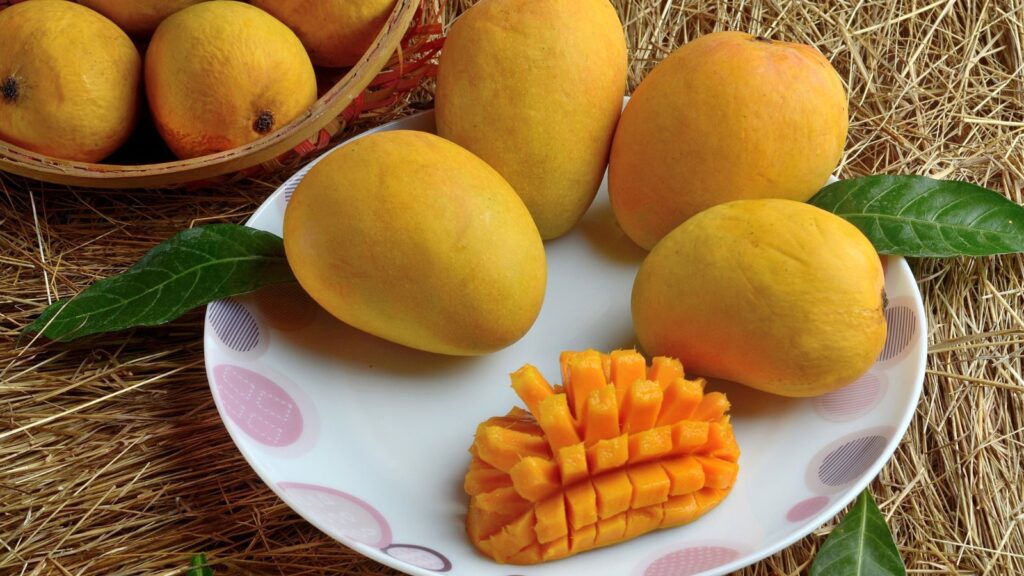
At the extreme end, the first harvest of the season has been auctioned at record sums: Devgad Alphonso cultivators Uttam Phondekar and his father sold the season’s opening box at Rs 18,000 per dozen in the Pune market, with reports that middlemen later resold it for as much as Rs 25,000 a dozen. This practice of auctioning the first box at a premium is a longstanding Konkan tradition, for its prestige and partly in the scarcity of early-season fruit. For buyers in the United States and Europe, import boxes of Ratnagiri Alphonsos sell for around $60 to $65 for a box of ten to eleven mangoes, making them among the most expensive fresh fruits on international shelves.