Can a person be completely innocent and still lose public trust? Ancient Rome answered that question!
The expression “Caesar’s wife must be above suspicion” means that individuals in high-ranking positions (or those closely associated with them) must maintain a reputation that is completely beyond reproach. It is not enough for them to be innocent of wrongdoing; they must avoid even the appearance of impropriety to protect the integrity of the office they represent.
In Use
The Chief Justice resigned after the minor controversy, noting that Caesar’s wife must be above suspicion.
To maintain public trust, the treasurer ensured every receipt was audited, believing that Caesar’s wife must be above suspicion.
A government employee accepting gifts from industry players may be honest, but Caesar’s wife must be above suspicion.
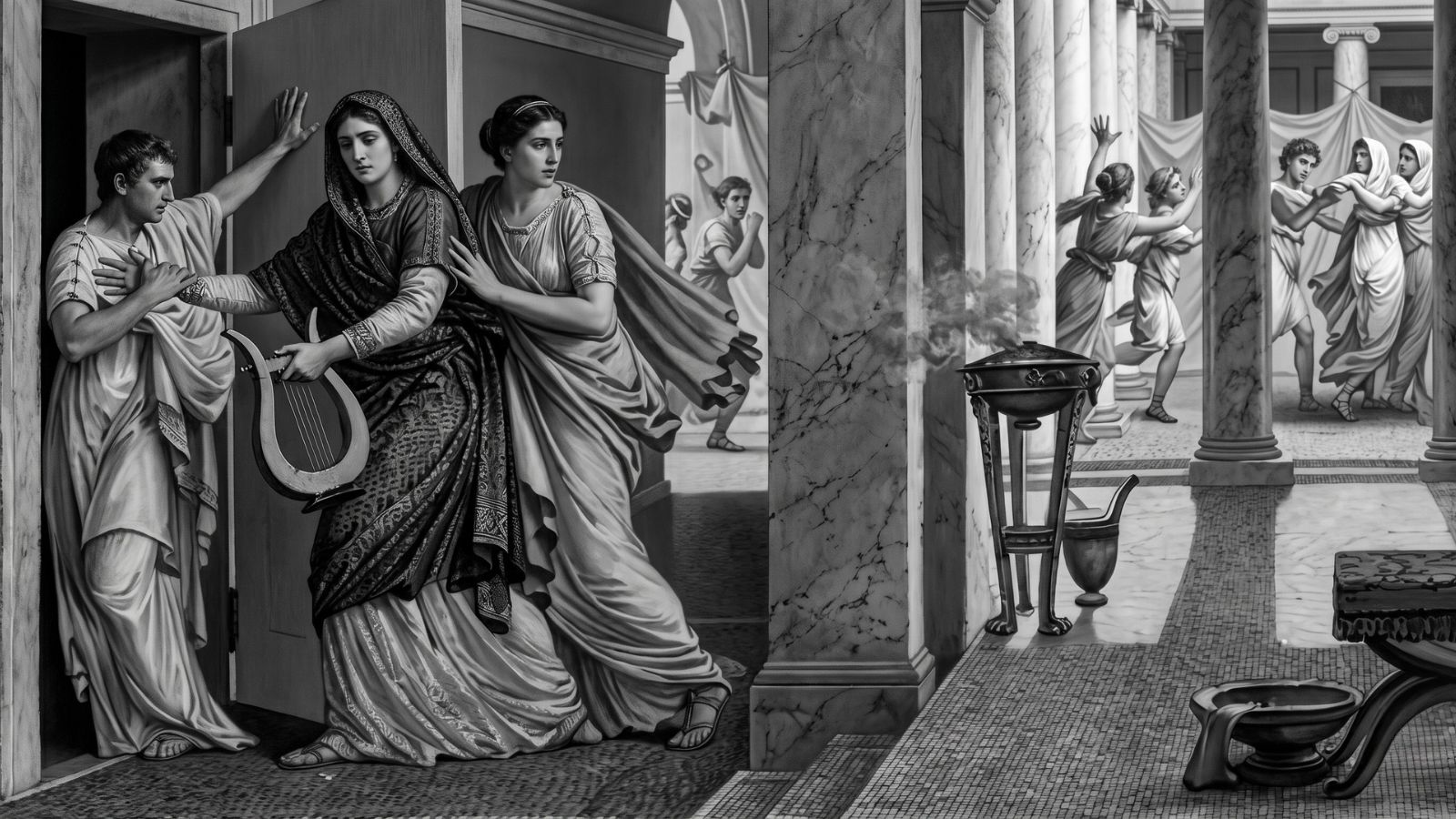
The expression originated in 62 BCE. Julius Caesar’s wife, Pompeia, hosted the Bona Dea festival – a sacred ritual for women only. A nobleman named Publius Clodius Pulcher disguised himself as a woman to sneak into the event, allegedly to seduce Pompeia. While there was no proof that Pompeia was involved or even aware of his plan, Caesar divorced her. When asked why, he famously replied, “because my wife ought not even to be under suspicion.” This later evolved into the familiar expression “Caesar’s wife must be above suspicion.”
Today the expression is often used in politics, public office, corporate governance, and leadership—situations where trust depends not just on actual honesty, but on perceived integrity as well. Maintaining such a reputation ensures that the focus stays on service rather than scandal, preserving the sanctity of public trust through unwavering personal conduct.