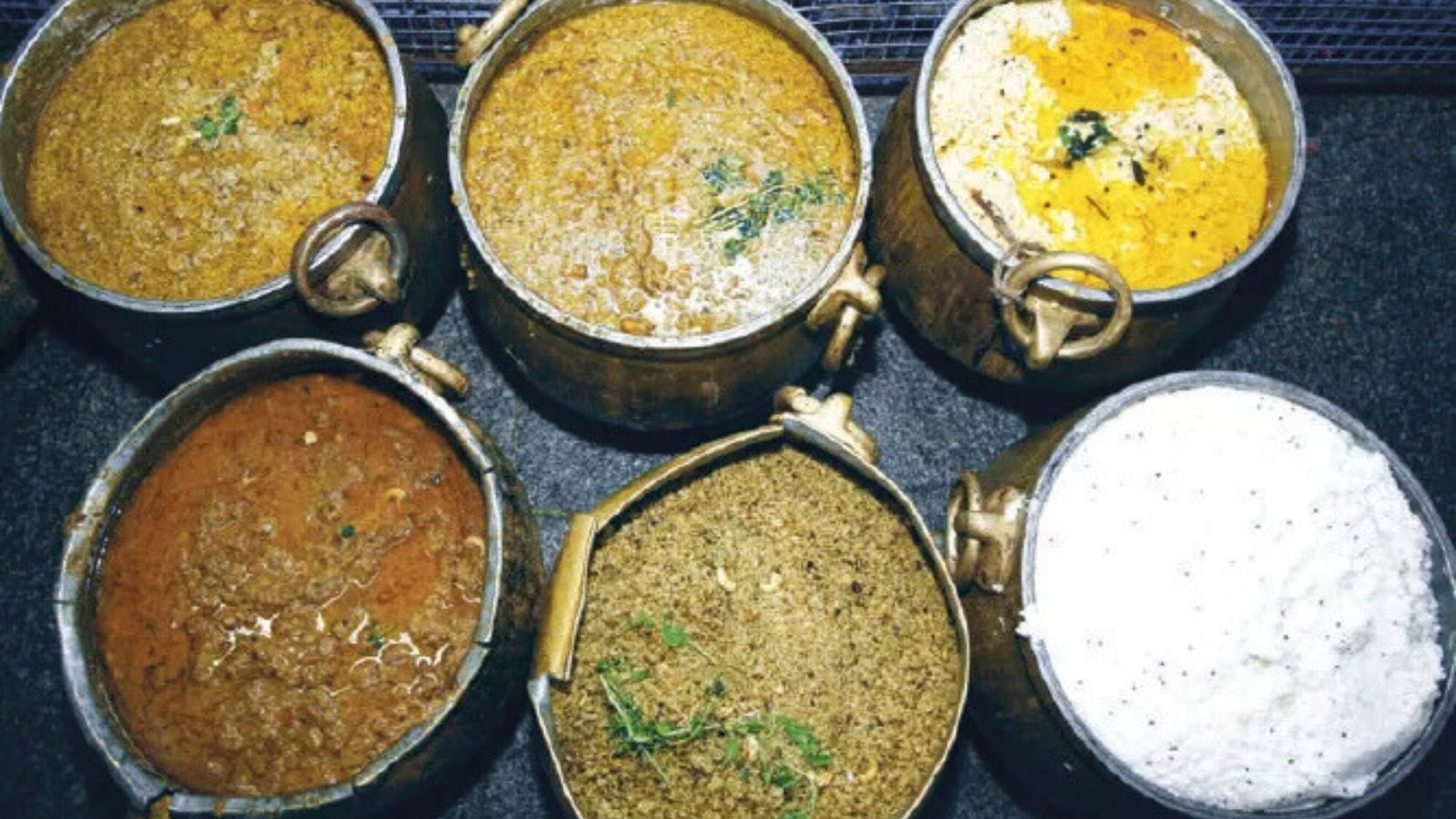
If you visit the Sri Venkateswara Temple in Tirumala, you will notice that the sacred prasadam is prepared and served in large bronze vessels known in Telugu as gangalam. One of these vessels is popularly associated with Sir Thomas Munro, the British administrator who governed the Madras Presidency from 1820 to 1827. It is worth remembering that Tirumala and much of present-day Rayalaseema remained part of the Madras Presidency until the formation of Andhra State in 1953, and later Andhra Pradesh in 1956. Munro’s association with the region therefore belongs to a long chapter of shared administrative history between Rayalaseema and the old Madras Presidency.
According to local tradition, prasadam distribution in Tirumala was once managed differently from the way it is today. The story says Munro viewed the practice through a colonial lens of hygiene and objected to it. In the devotional retelling, he later suffered from severe stomach pain, and after accepting the temple prasadam, he experienced relief.
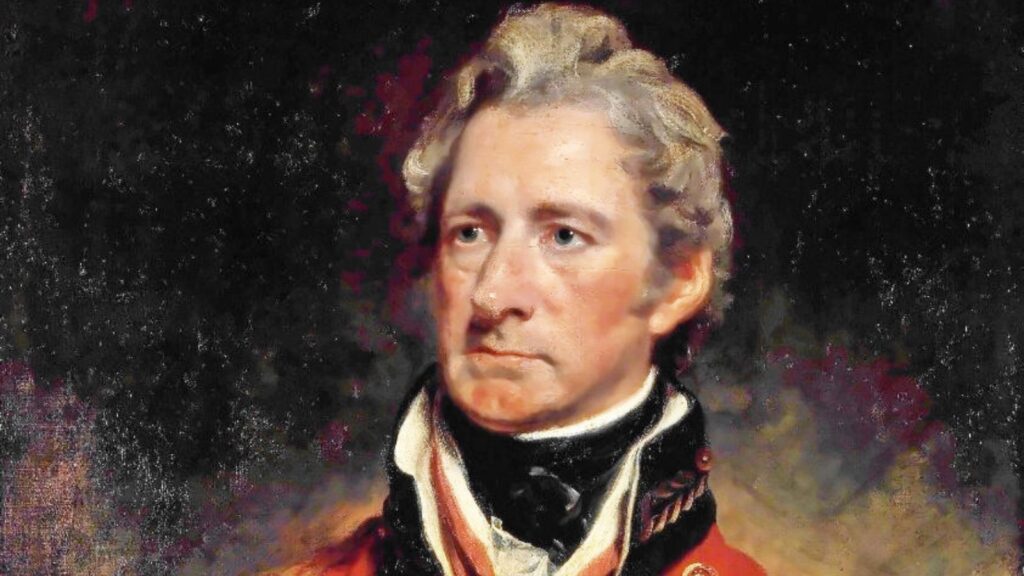
Sir Thomas Munro
The story goes on to say that Munro then made amends by supporting the temple through a permanent endowment. This endowment is linked to Kotabayalu village in Vayalpad Taluk of present-day Chittoor district, whose revenues were reportedly assigned for the preparation and distribution of rice prasadam, especially pongali. Even today, the large vessels connected with this tradition are officially referred to by the Tirumala Tirupati Devasthanams as the “Munro Gangalam.”
The Eternal Servant
Though remembered across South India as a colonial administrator, Munro occupies a uniquely affectionate place in the memory of Rayalaseema. During his service in the so-called “Ceded Districts,” he became deeply attached to the region and its people through his extensive tours, revenue reforms, and direct interaction with villagers. Historical accounts note that before leaving India and returning to his native Scotland, Munro wished to undertake one final visit to Rayalaseema, the land he had grown especially fond of. However, while touring the region in 1827, he was struck by cholera and died within roughly twelve hours at Pattikonda.
Munro was buried at Gooty, where his tomb still stands today. For many in Rayalaseema, his resting place represents the enduring memory of an administrator whom locals regard as unusually humane and accessible. The historical record clearly supports Munro’s governorship, his close association with the Ceded Districts, and the existence of the Tirumala endowment.