Granite and marble, two of the most celebrated stones, have shaped civilizations and defined luxury for millennia. Both look luxurious, but their story begins deep inside the earth.
Formation
Granite forms from magma, which is molten rock far below the surface. Magma itself forms when rocks inside the Earth get so hot (due to pressure, radioactive heat, and movement of tectonic plates) that they melt. When this molten material cools very slowly underground, it hardens into granite, developing visible grains of minerals like quartz and feldspar. That’s why its name comes from Latin granum (“grain”).
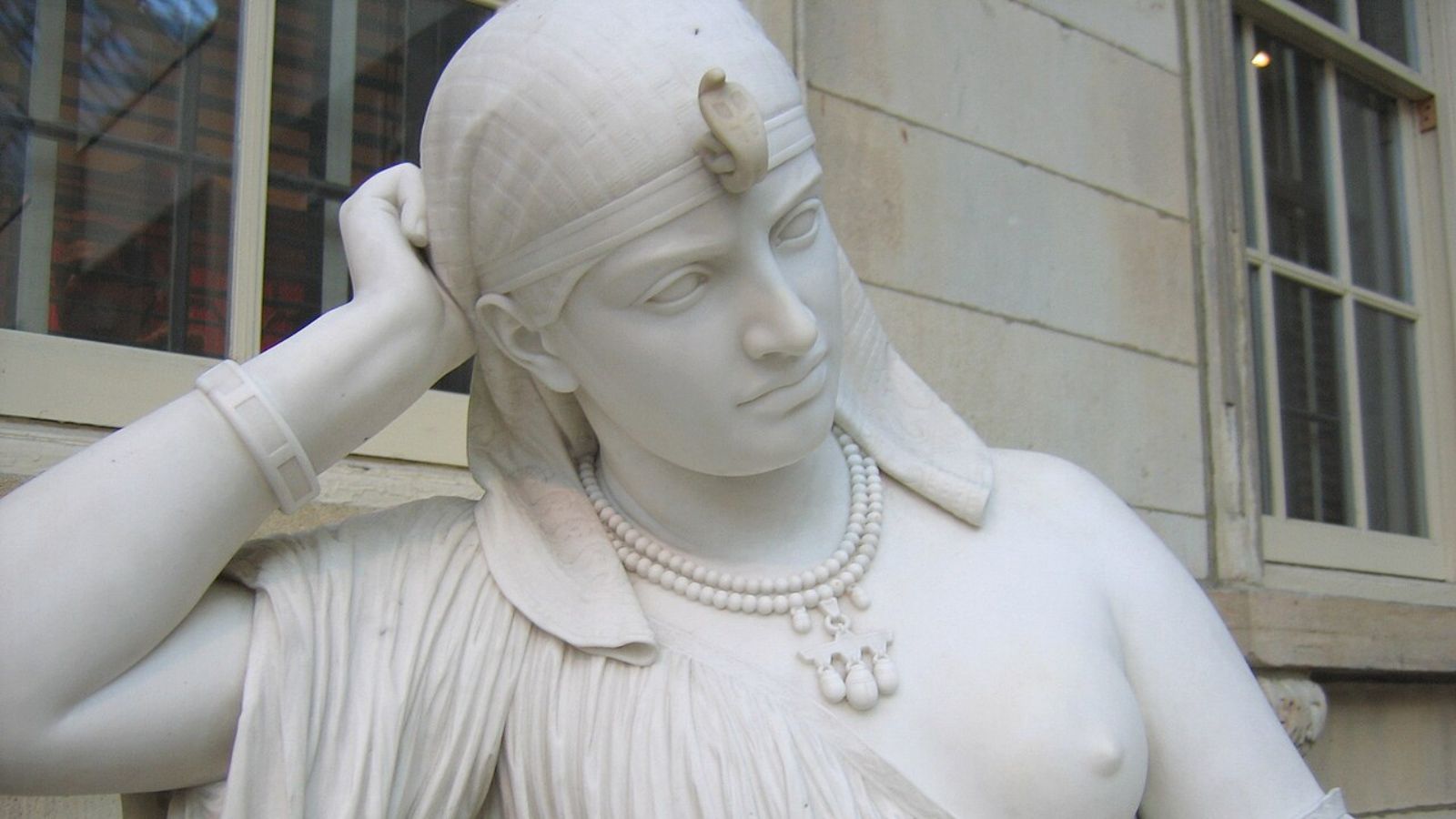
Marble, in contrast, is a metamorphic rock. It begins its life as ordinary limestone but undergoes a dramatic transformation under intense heat and pressure. This “metamorphosis” results in the elegant, swirling veins that define the stone. Its name is derived from the Greek marmaros, meaning “shining stone.”
How are they quarried?
Both stones are extracted from large open pits called quarries. Workers first cut deep grooves into the rock using wire saws or drills, then separate massive blocks. These are lifted, transported, and sliced into slabs using precision machines.
Common uses
Marble is generally more expensive than granite, prized for sculptures, heritage architecture, and prestige flooring. Granite, harder and highly resistant to heat and moisture, is the preferred choice for kitchen countertops, exterior cladding, and industrial surfaces.
Legacy of the Makrana marble
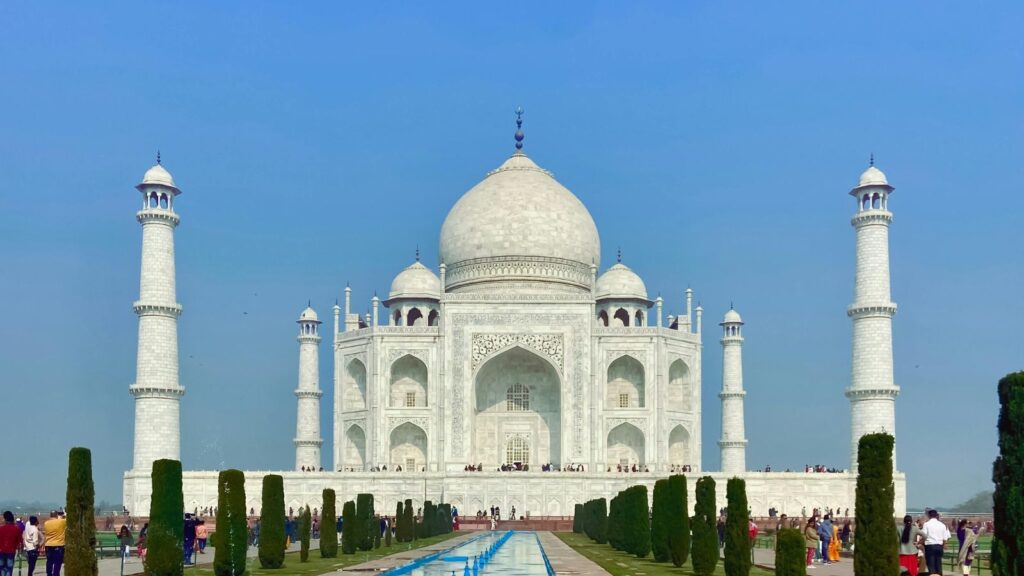
In India, the town of Makrana in Rajasthan is legendary for its pristine white marble. This high-calcium stone is world-renowned for its low porosity and resistance to yellowing. This is the very stone that clads the Taj Mahal, commissioned by Emperor Shah Jahan in the 17th century. Makrana marble’s crystalline structure scatters light differently at dawn, noon, and dusk—giving the monument its legendary, ever-shifting glow. The Makrana marble has allowed the monument to retain its ethereal, pearly glow for over 400 years.

Global reach
The stone’s legacy extends far beyond borders. Tinos green marble from the island of Tinos in Greece forms striking panels behind the rostrum in the UN General Assembly Hall in New York City. Known as a symbol of international cooperation, it showcases how the Earth’s mineral diversity can anchor global diplomacy.
The next time you see these stones, remember that what begins as heat and pressure beneath our feet ultimately becomes the very foundation of art, architecture, and legacy.