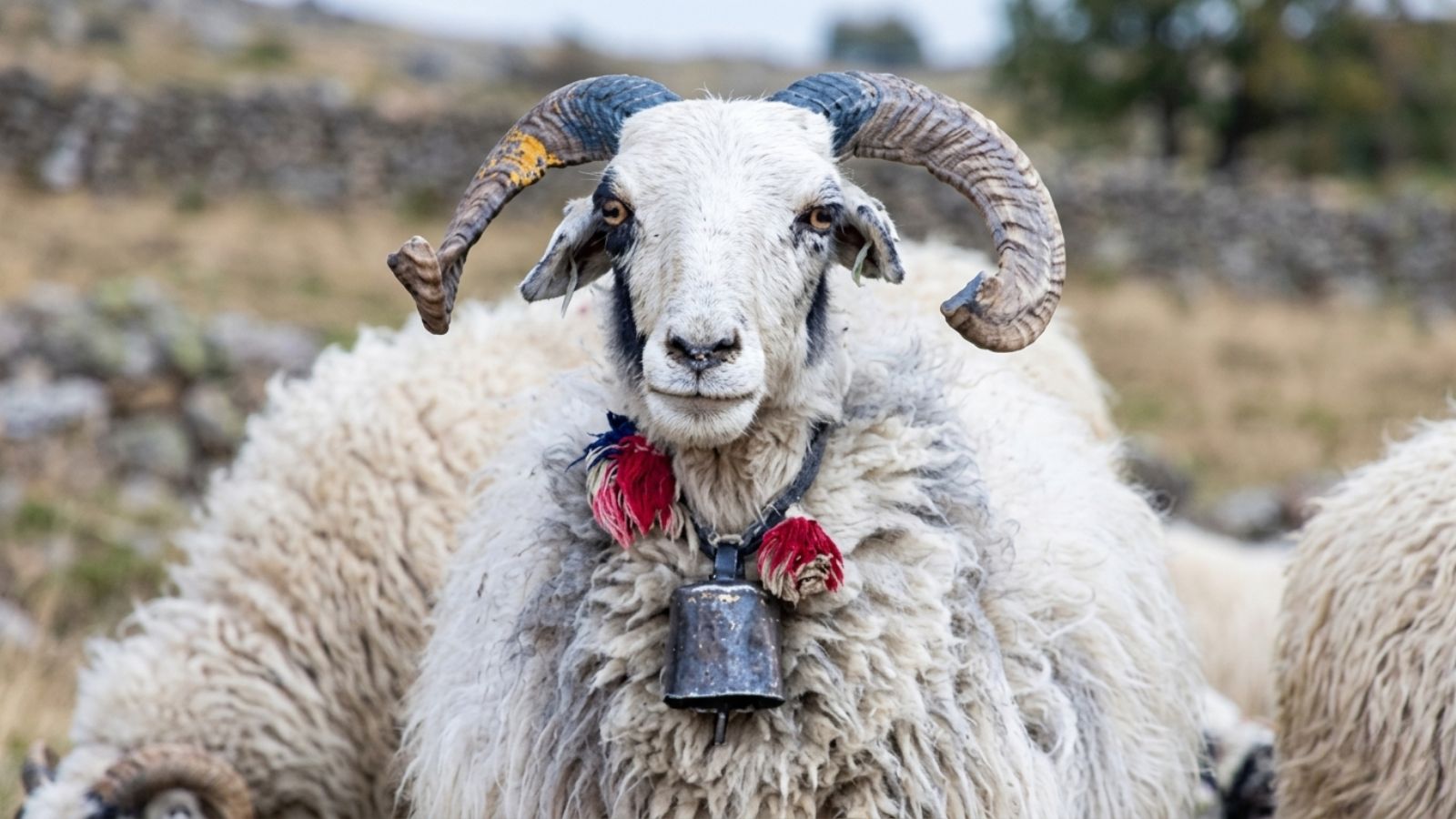
Long before stock markets and opinion polls existed, shepherds in medieval England had a simple system for managing their flocks. They would hang a bell around the neck of a castrated male sheep called a wether. The rest of the flock would instinctively follow wherever this bell-wearing animal wandered.
Over time, the term took on a metaphorical meaning, describing anything that signals the direction others are likely to follow. Today, a bellwether could be a key constituency in an election, a stock that reflects market direction, or even a cultural trendsetter. The term reminds us that patterns often begin with a single, observable lead. Just as sheep followed the faint chime across open fields, modern observers listen to subtle cues that hint at broader movements.
Maharashtra, for instance, is often called India’s bellwether state because its election outcomes have historically anticipated national political shifts.
In the end, a bellwether is simply a guide. It may not predict everything with certainty, but it points to what might come next. Much like the lead sheep once did, it helps others find direction.