Ever wondered how the name of a revered biblical figure came to describe someone who is overly emotional? The story behind maudlin is one of art, religion, language, and centuries of cultural memory.
The word maudlin means excessively sentimental, tearfully emotional, or self-pitying, often in a way that seems exaggerated or embarrassing.
In use
- After two drinks, he grew maudlin, retelling old stories with tears in his eyes.
- The film had a promising start but descended into maudlin melodrama by the final act.
- She had no patience for maudlin farewells; she hugged him briefly and walked away.
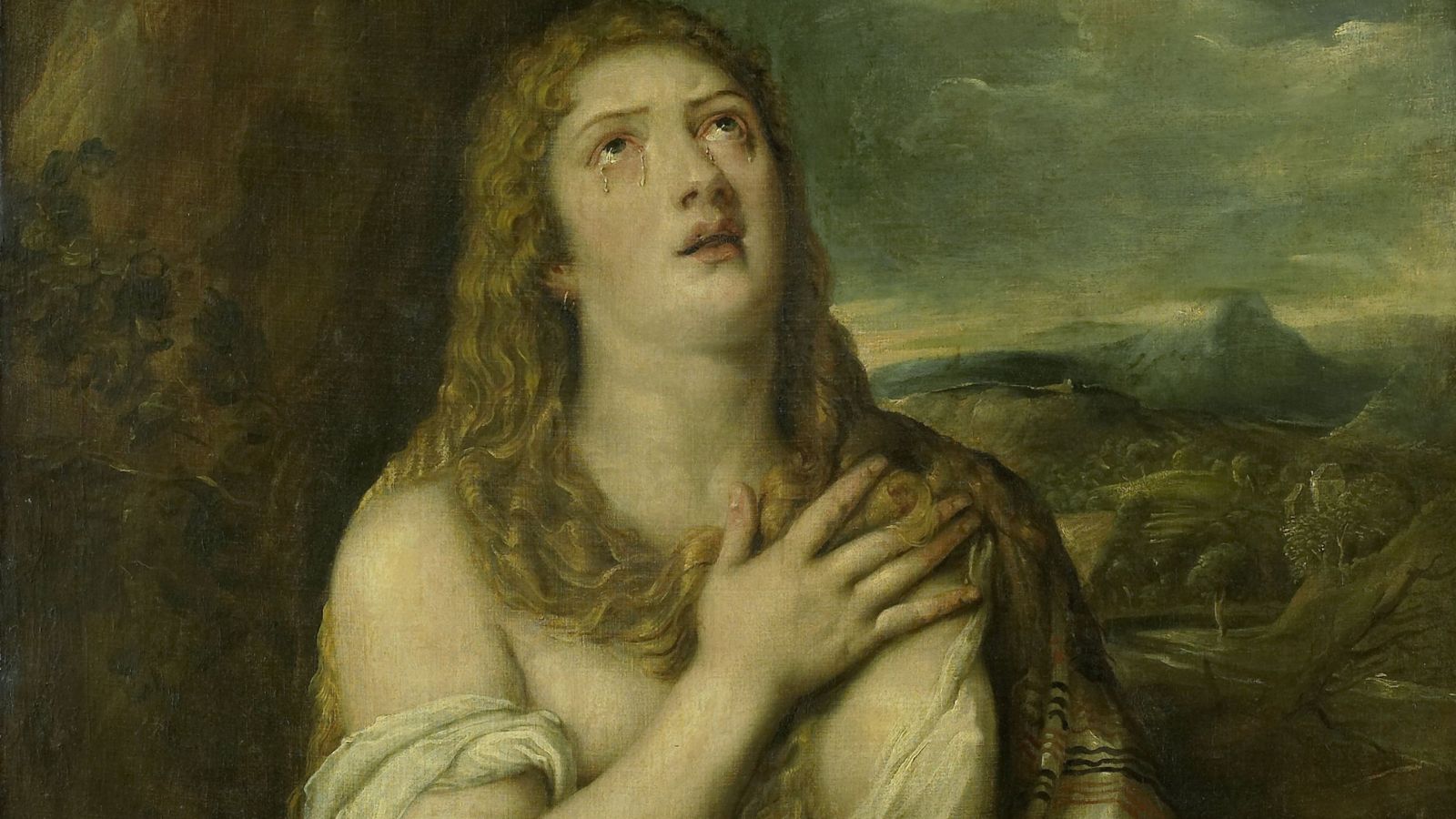
The word has an interesting origin. It derives from Mary Magdalene, one of the most prominent followers of Jesus. In medieval Christian tradition and art, Mary Magdalene was frequently depicted as a penitent (a person expressing remorse for past sins or wrongdoing) woman in tears, symbolizing repentance and devotion. These images became so widespread that her name gradually became associated with excessive weeping and emotional display.
The word evolved from the Middle English Maudelen, which came from Old French Madeleine and Latin Magdalena. By the early 17th century, maudlin had entered English as an adjective meaning “tearfully sentimental,” and was often used in the phrase maudlin drunk to describe the weepy, emotional stage of intoxication.
The name Magdalene itself means “woman of Magdala,” a town on the shores of the Sea of Galilee, a freshwater lake in northern Israel. Thus, maudlin traces an unusual path: from a place name, to a person’s name, and finally to a word describing excessive sentimentality.