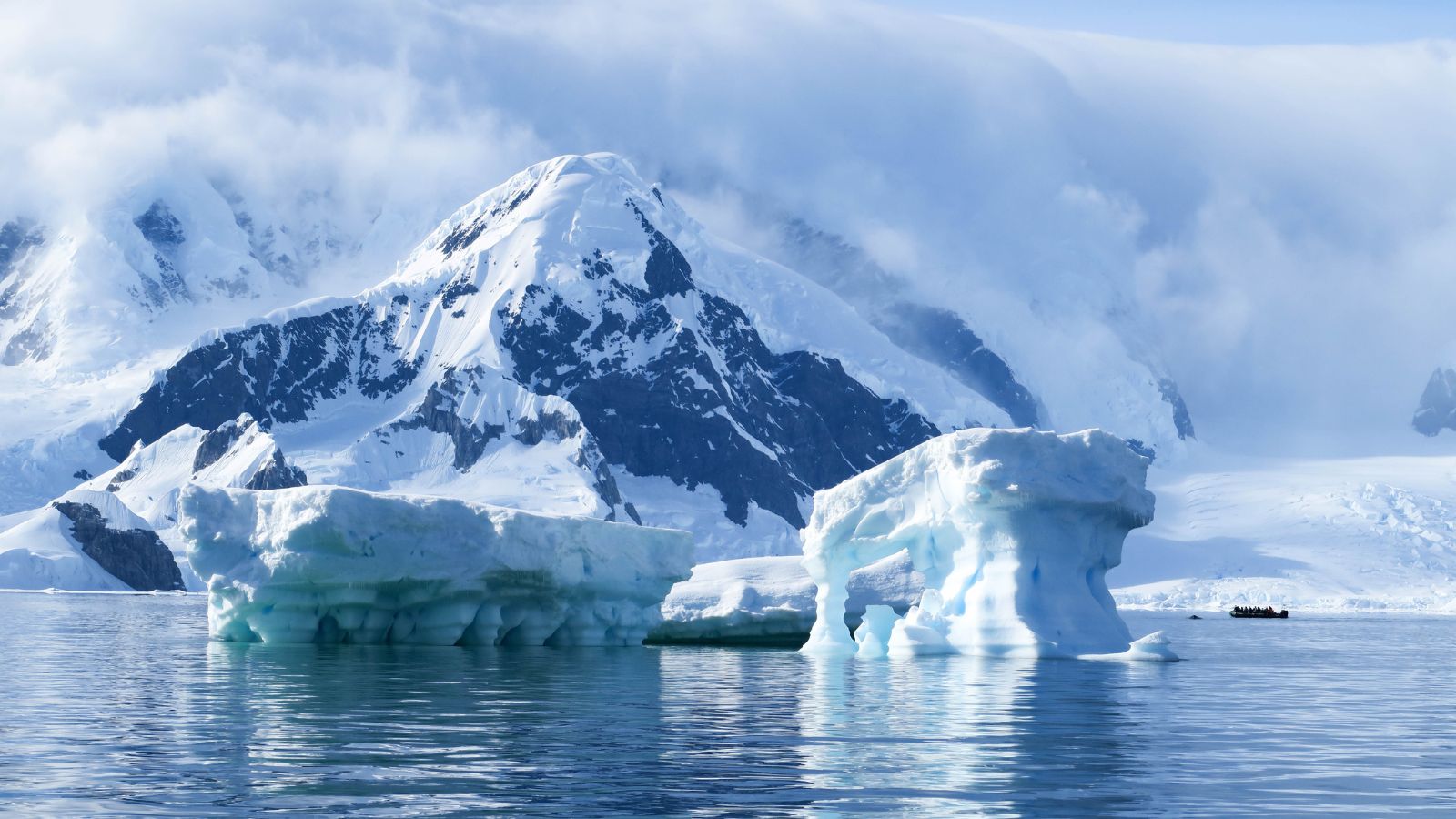
When we think of deserts, vast stretches of sand like the Sahara or the Thar usually come to mind. Surprisingly, the world’s largest desert is actually Antarctica. The reason lies in the scientific definition of a desert, which is based on how little precipitation an area receives, not on its temperature or the presence of sand.
Precipitation is any form of water that falls from the sky, including rain, snow, sleet, or hail. A region is classified as a desert if it receives less than 250 millimeters (10 inches) of precipitation each year. Antarctica gets far less than this, with much of its interior receiving under 50 millimeters annually, making it drier than many hot deserts. Although the continent is covered by a thick ice sheet, that ice accumulated over millions of years and is not replenished by frequent snowfall.
Covering about 14 million square kilometers, Antarctica is larger than both the Sahara and the Arctic Desert. Its freezing temperatures, extremely dry air, and very little snowfall make it the world’s largest polar desert, proving that deserts can be icy as well as sandy.