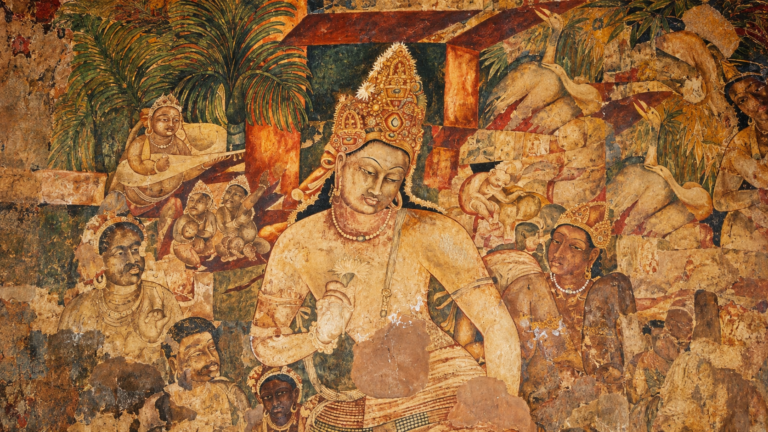
The word holocaust has a long and complex history that predates the Second World War by centuries. It comes from the Greek word holokauston, formed from holos (whole) and kaustos (burnt), meaning “completely burnt.” The Greeks used the term to describe a religious sacrifice in which an animal was entirely consumed by fire as an offering to a deity, unlike other sacrifices where part of the animal was eaten by worshippers. The word itself is a translation of the Hebrew olah, the “burnt offering” described in the Old Testament.
As its usage expanded, holocaust acquired a broader figurative meaning in English. By the seventeenth and eighteenth centuries, it was used to describe any large-scale destruction involving fire or overwhelming loss of life. Newspapers and literature occasionally referred to devastating wars, city fires, and massacres as “holocausts.”
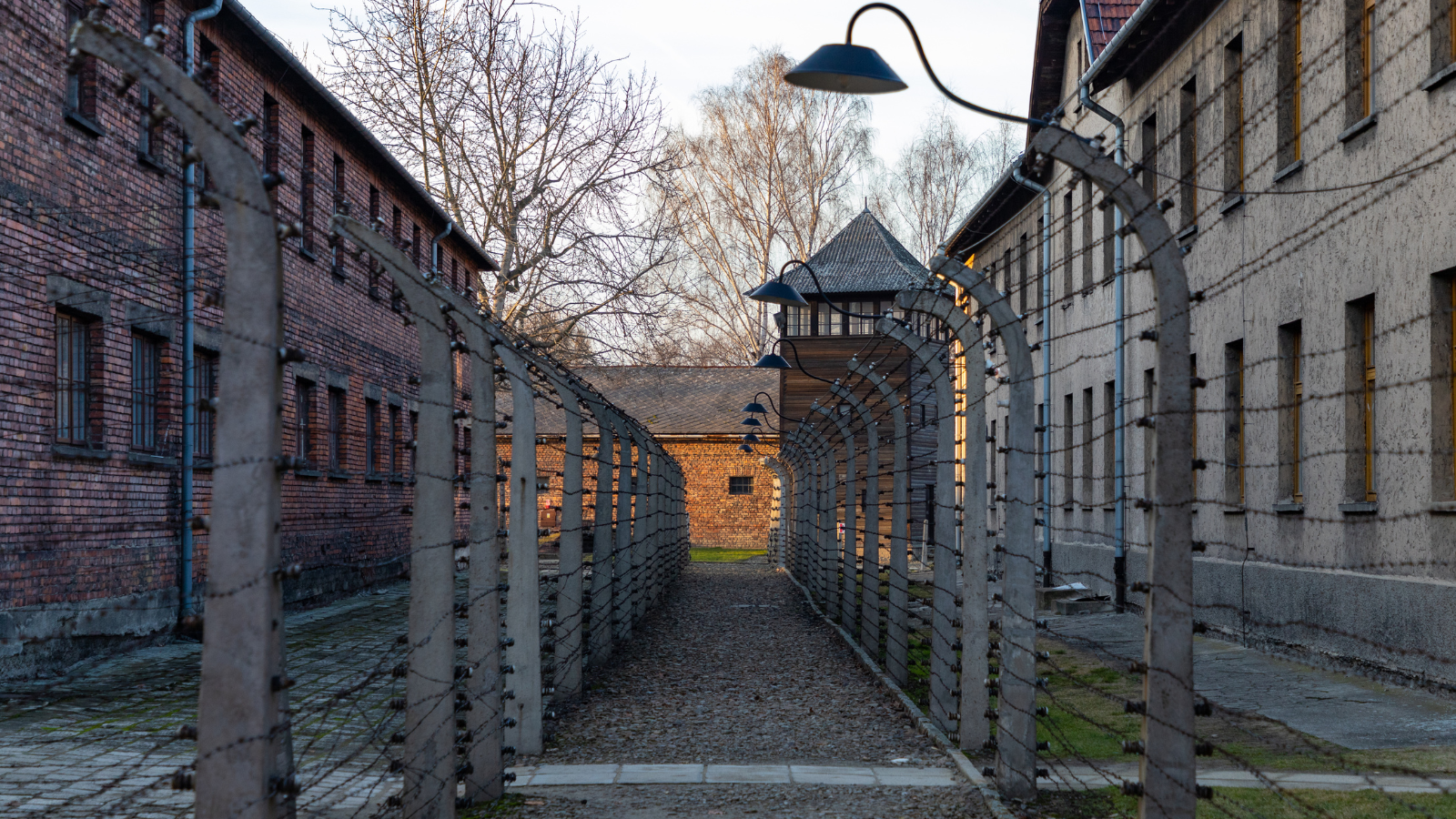
After the Nazi genocide of European Jews between 1941 and 1945, the word took on an entirely different significance. As evidence emerged from extermination camps such as Auschwitz-Birkenau, Treblinka, and Sobibor, the scale and systematic nature of the killings transformed the meaning of the term. By the 1950s and especially after the television miniseries Holocaust (1978), “the Holocaust” became the internationally recognized name for the murder of approximately six million Jews by Nazi Germany, along with millions of other victims, including Roma, disabled people, Soviet prisoners of war, Poles, and political dissidents.
Some scholars and Jewish communities have expressed discomfort with the word because its original meaning of a burnt sacrificial offering could unintentionally suggest that the victims were offered as a sacrifice. For this reason, many prefer the Hebrew term Shoah, meaning “catastrophe” or “calamity,” which carries no sacrificial implication.
Today, the Holocaust stands not merely as a historical event but as a universal reminder of the consequences of hatred, dehumanization, and unchecked totalitarianism. The evolution of the word reflects humanity’s attempt to find language powerful enough to describe an atrocity almost beyond comprehension.