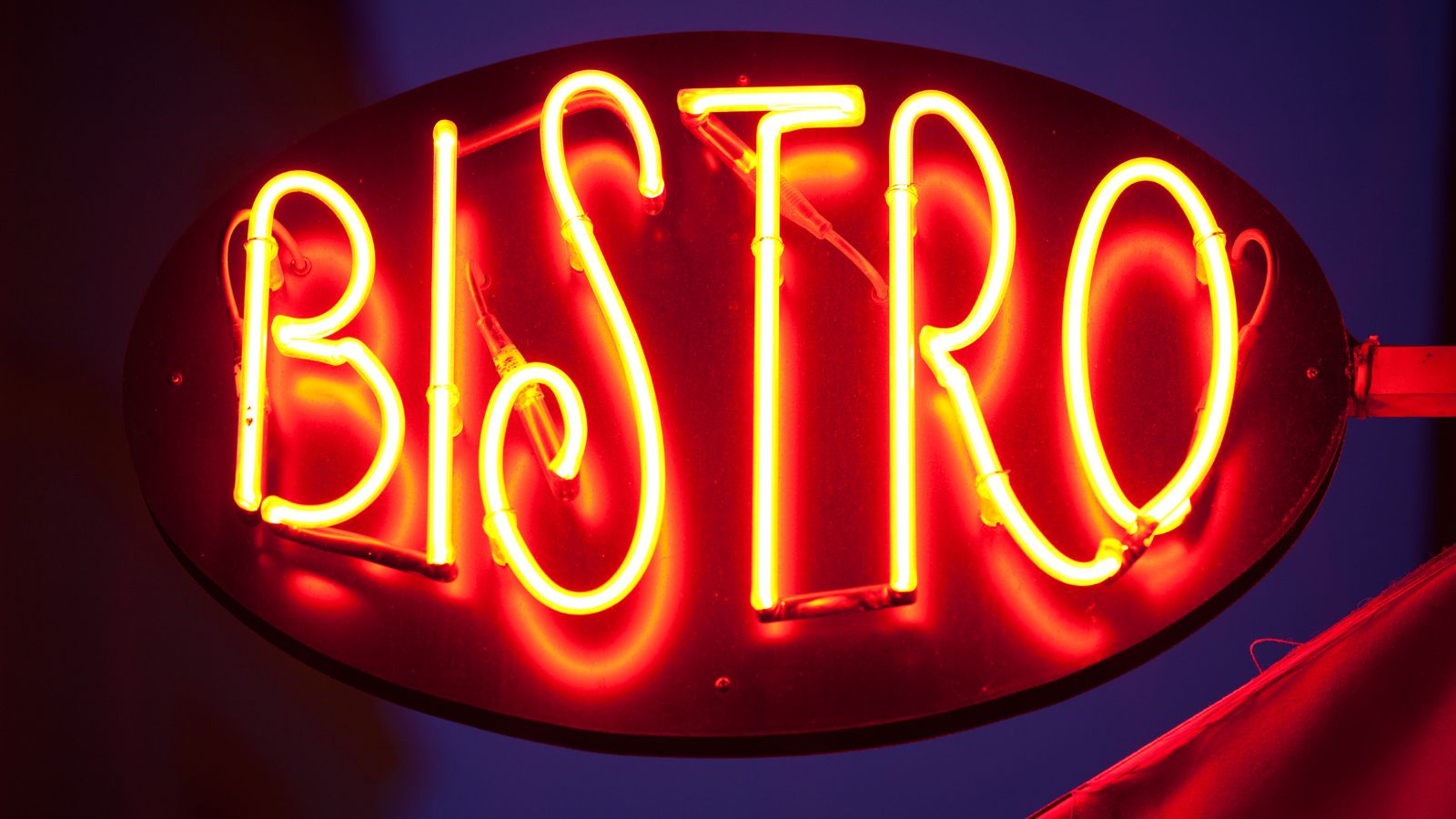
The word bistro is synonymous with cozy French eateries known for serving simple, freshly prepared meals in a relaxed setting. While the term is deeply rooted in French culinary culture, one of its origin stories points to an unexpected Russian connection dating back to the early nineteenth century.
According to a popular theory, the story begins in 1815, when Russian troops entered and occupied Paris after the defeat of Napoleon Bonaparte, bringing the Napoleonic Wars to an end. As part of the coalition forces celebrating their victory, Russian soldiers frequented Parisian cafés and taverns. Eager to be served, they are said to have shouted “bystro!”, the Russian word for “quickly,” urging proprietors to bring food and drinks without delay. The expression is believed to have caught the attention of locals and gradually found its way into everyday French usage.
The French eventually began using bistro to describe small establishments where customers could enjoy food and drink with prompt service in an informal atmosphere. Although many linguists remain skeptical because the word did not appear in written French until decades later, the Russian origin story continues to captivate historians and food lovers alike, making it one of the most fascinating tales in culinary etymology.