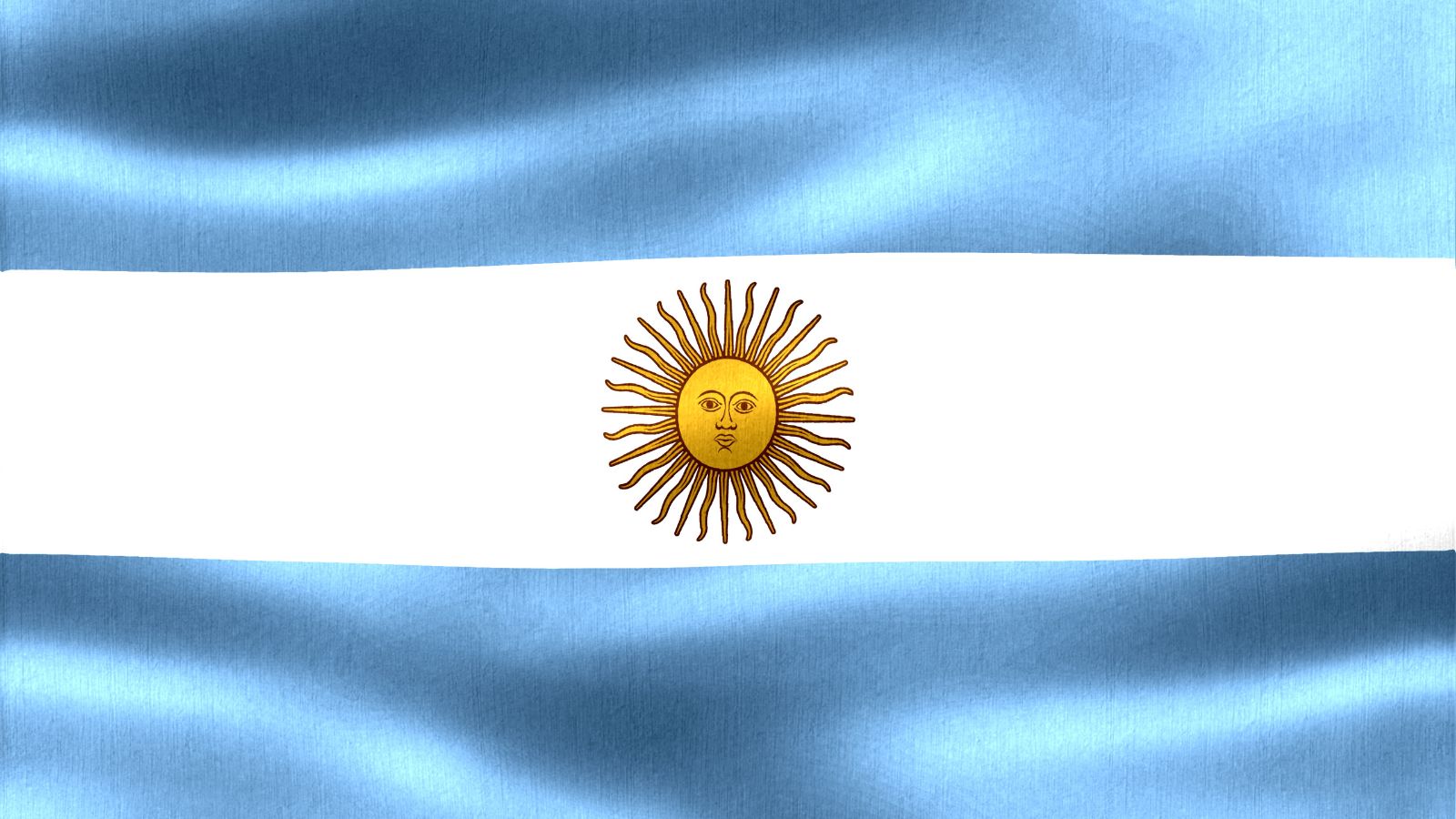
Spain’s victory over Argentina in the FIFA World Cup Final highlighted an intriguing historical irony. While the two nations share deep cultural and linguistic ties, many football fans may not realize that Argentina’s very name has Spanish roots, born during Spain’s Age of Exploration.
The name Argentina comes from the Latin argentum, meaning “silver,” which also gave the chemical symbol Ag. In the early 16th century, Spanish explorers sailing along South America’s southeastern coast encountered Indigenous communities wearing silver ornaments and heard stories of vast silver riches inland.
Among the earliest explorers was Juan Díaz de Solís, who reached the estuary in 1516. A few years later, members of Sebastian Cabot’s expedition reportedly received silver gifts from local inhabitants. These accounts led Spanish sailors to name the estuary Río de la Plata, “River of Silver,” which still forms the natural boundary between Argentina and Uruguay.
As the legend spread, the Latinized name Argentina gained popularity through maps and scholarly works. Ironically, the country itself had little silver. The richest deposits were farther north in present-day Bolivia, especially around the famed mines of Potosí. Yet the name endured, reflecting the hopes and misconceptions that fueled European exploration.
Argentina’s connection with Spain extends far beyond its name. It remained part of the Spanish Empire for nearly three centuries until gaining independence in 1816. Spanish became its dominant language, while Spanish traditions profoundly shaped its laws, architecture, cuisine, and culture.
When Spain and Argentina clashed in the FIFA finals, it brought together two nations united by centuries of shared history, language, and etymology. One nation gave the other its language, much of its cultural identity, and even its name. Very few sporting rivalries carry such a fascinating linguistic connection.