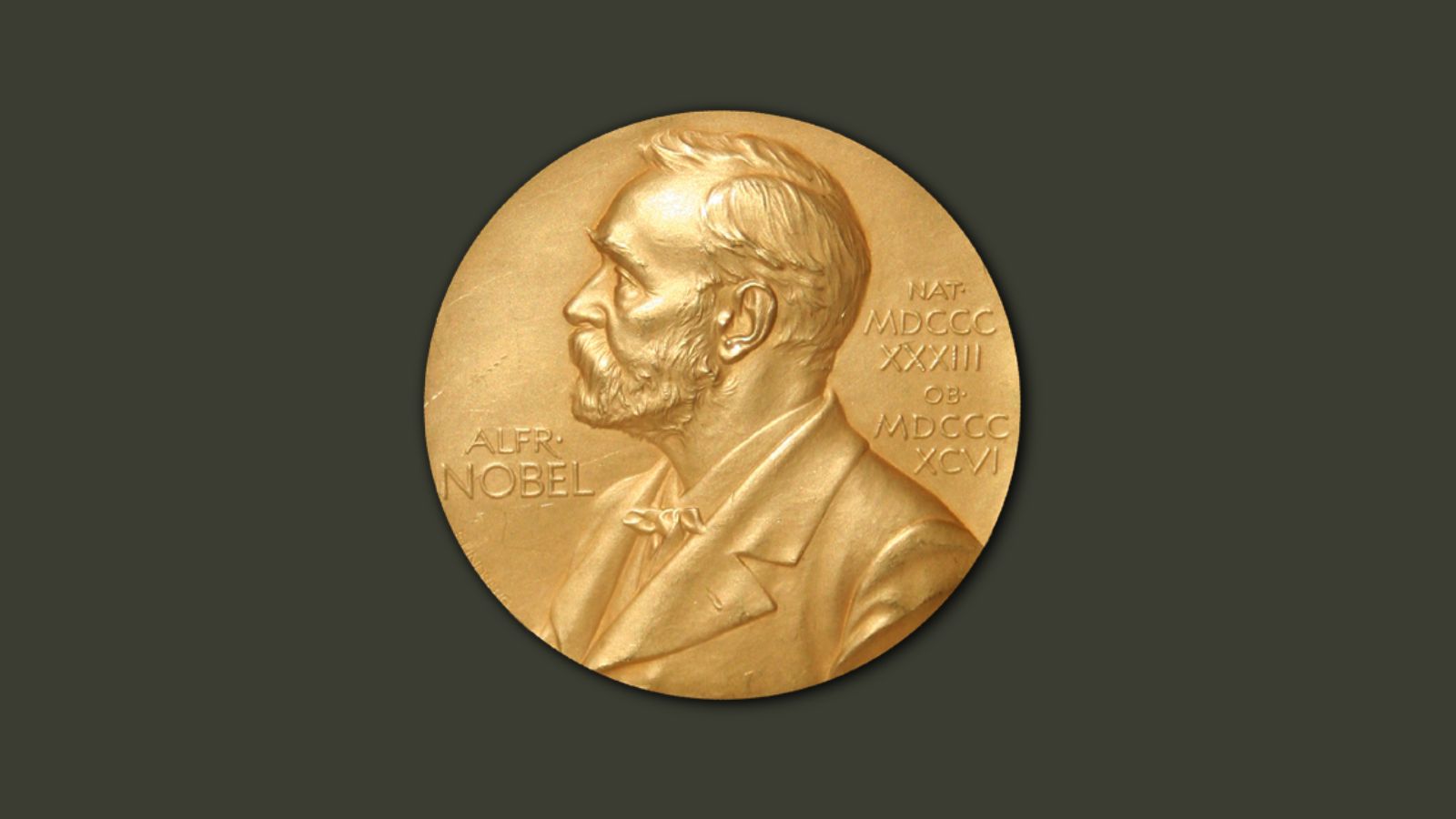
The Nobel Prize is named after Alfred Nobel (1833 to 1896), a Swedish chemist, engineer, inventor, entrepreneur, and philanthropist whose vision created one of the world’s most prestigious awards.
Nobel is best known for inventing dynamite in 1867. Before his invention, nitroglycerin was highly unstable and dangerous to use. By combining it with a porous material called diatomaceous earth, Nobel made explosives much safer to transport and handle. His breakthrough transformed mining, construction, railway building, and tunnel excavation. Over his lifetime, he secured 355 patents covering explosives, engineering, and industrial technologies.
Although his inventions advanced infrastructure, they were also used in warfare. In 1888, a French newspaper mistakenly published Alfred Nobel’s obituary instead of his brother Ludvig’s, describing him as “the merchant of death.” While historians debate how much this incident influenced him, it reinforced his desire to leave behind a more meaningful legacy.
In 1895, Nobel signed his final will, directing that most of his fortune be invested in a fund whose annual income would reward those who had made the greatest benefit to humanity. He died the following year, and the first Nobel Prizes were awarded in 1901 in Physics, Chemistry, Physiology or Medicine, Literature, and Peace. The Prize in Economic Sciences was added in 1968 by Sweden’s central bank in his memory and was not part of his original will.
The prize bears Alfred Nobel’s name because it exists entirely through his wealth, his vision, and his instructions. No government or institution created it. His unique decision to dedicate nearly all his estate to recognizing achievements that improve humanity ensured that his name would forever be associated with excellence, discovery, and the pursuit of peace.