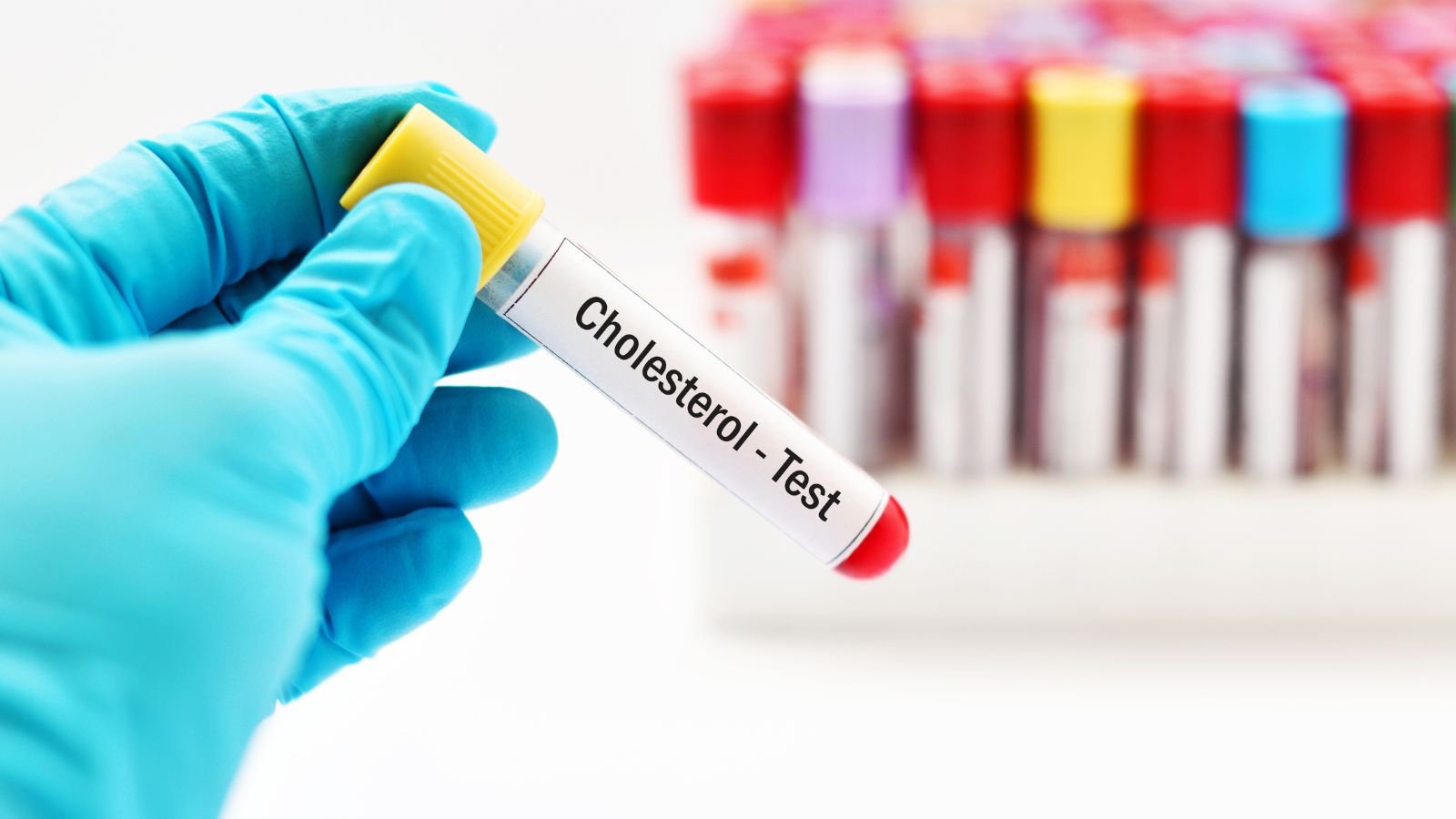
Not all fats are bad for your health, but the type of fat you consume can make a significant difference to your cholesterol levels and heart health. Two types that deserve particular attention are saturated fats and trans fats. Both can raise the risk of cardiovascular disease, but they affect the body in different ways.
Understanding cholesterol first
Cholesterol is a waxy substance that the body needs to build cells, produce hormones and make vitamin D. It travels through the bloodstream in particles called lipoproteins.
- LDL (Low-Density Lipoprotein): Often called bad cholesterol, LDL carries cholesterol to the body’s tissues. Excessive LDL can contribute to fatty deposits in artery walls, increasing the risk of heart attacks and strokes.
- HDL (High-Density Lipoprotein): Known as good cholesterol, HDL helps transport excess cholesterol back to the liver for removal.
The objective is to maintain healthy LDL and HDL levels, rather than eliminate cholesterol altogether.
Saturated fats: What are they and how are they formed?
Saturated fats are naturally occurring fats whose fatty acid molecules contain no carbon-carbon double bonds. This chemical structure makes them relatively stable and usually solid at room temperature. They are found in butter, ghee, cheese, cream, fatty meat, coconut oil and palm oil.
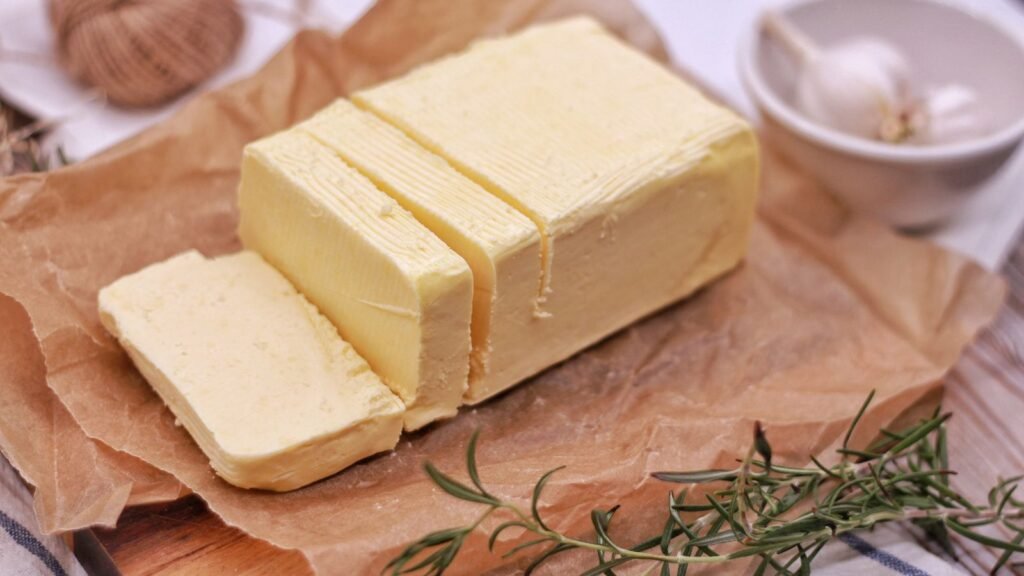
When consumed in excess, saturated fats raise LDL cholesterol by interfering with the liver’s ability to remove LDL particles from the bloodstream. They can also raise HDL to some extent, but this does not cancel out the cardiovascular risk associated with elevated LDL.
Trans fats: The more harmful variety
Trans fats are a type of unsaturated fat that can be formed when liquid vegetable oils undergo a process called partial hydrogenation. In this industrial process, hydrogen is added to vegetable oil under controlled temperature and pressure, in the presence of a catalyst, to make it more solid, stable and resistant to spoilage. During this process, some naturally occurring fatty acids change their shape from a bent structure (cis) to a straighter structure (trans).
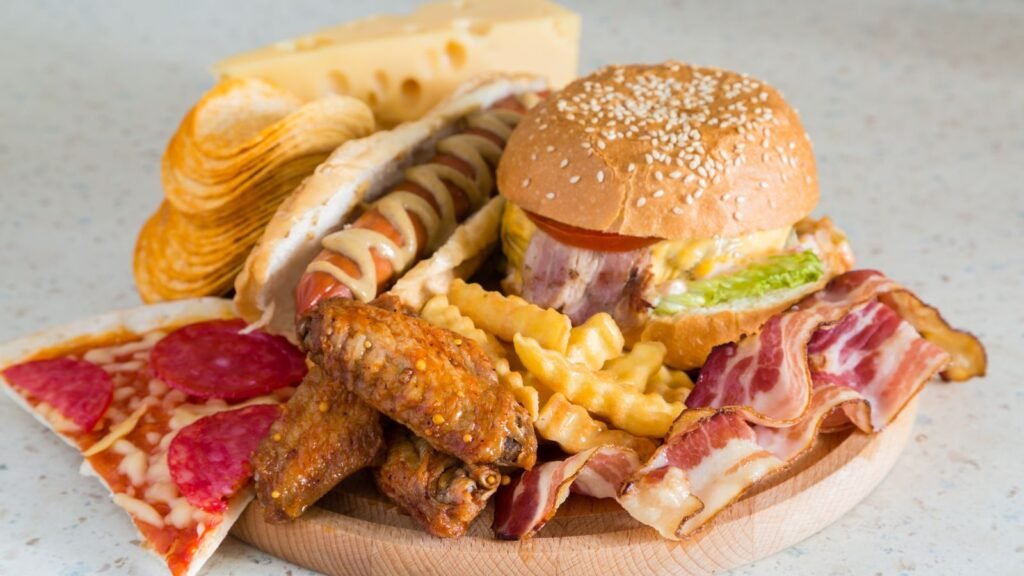
They are commonly found in Vanaspati ghee, some margarines, commercially prepared biscuits, cakes, pastries, packaged snacks and deep-fried foods. Small amounts also occur naturally in milk and meat from cows, buffaloes, sheep and goats.
Unlike saturated fats, trans fats have a particularly damaging cholesterol effect: they increase LDL while reducing HDL. This combination makes them especially harmful to cardiovascular health.
Making healthier choices
The answer is not to eliminate fats altogether, but to choose them wisely. Replace some saturated fats with unsaturated fats found in nuts, seeds, fish, avocados and oils such as sunflower, groundnut and olive oil. Limit ghee, butter and fatty meats, and avoid products containing partially hydrogenated oils.
The World Health Organization recommends keeping saturated fats below 10% and trans fats below 1% of daily calorie intake. Industrial trans fats should ideally be eliminated altogether.
It’s important to note that it is not simply how much fat we consume, but the kind of fat we eat that matters. A conscious choice today can make a meaningful difference to our heart health tomorrow.