Category Accidental Discoveries

The Guntur eclipse that revealed helium

Widely used to fill balloons because it is lighter than air, did you know helium gets its name from the Greek word Helios, meaning ‘Sun’? There’s an unusual story behind its discovery. Unlike most elements, helium was first identified not…


picture of sandwich

How an English Earl gave the sandwich its name

Did you know one of the world’s most popular quick meals owes its name to an English aristocrat multitasking through hunger? The beloved sandwich we enjoy today has a surprisingly aristocratic history. While stacking ingredients between bread existed long before,…

Ellen Church: the nurse who calmed the skies

Aviation started out as a man’s domain, but a quiet shift was about to redefine its future. In 1930, commercial aviation had a trust problem. Aircraft were noisy, turbulent, and widely perceived as dangerous. On May 15, the same year,…

How a Maratha prince gave sambar its name!

Few South Indian dishes are as beloved as sambar. This tangy stew of lentils and vegetables, the familiar partner to idli, dosa, and rice, is so deeply woven into everyday meals that it seems ancient. Yet its story may lead…

How a cow’s blister saved humanity

Did you know the word vaccine traces its roots to the Latin vaccinus, meaning “of or from cows.” Ever wondered why? This connection goes back to the late 18th century, when English doctor Edward Jenner noticed that milkmaids who caught…

When Draupadi invented the first pani puri!

Pani puri, known as gol gappe in North India, phuchka in Bengal, gupchup in Odisha and Chhattisgarh, is one of the most savored street foods in the Indian subcontinent. These small, crisp puris are filled with spicy water, tamarind chutney,…

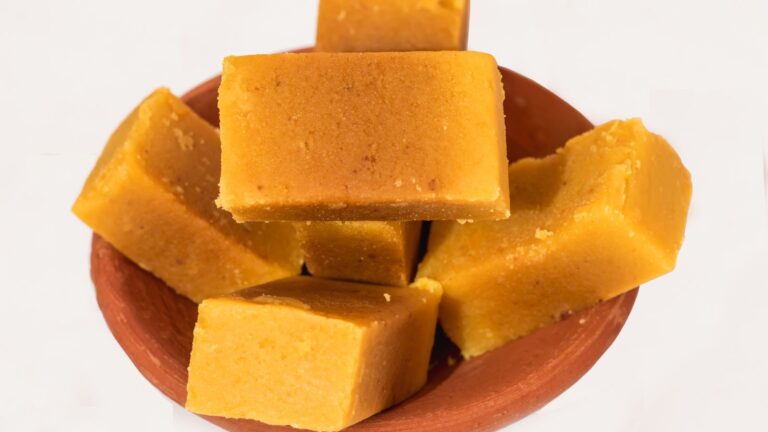
The accidental invention of Mysore Pak

Mysore Pak, one of India’s most iconic sweets, traces its origins to the royal kitchens of the Mysore Palace. The story goes back to the reign of Maharaja Krishna Raja Wadiyar IV (1902–1940). One day, the royal chef Kakasura Madappa…