Category Etymology

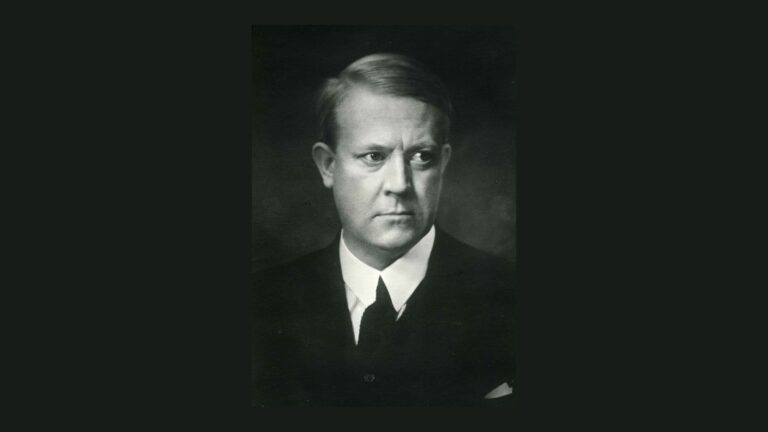
How “quisling” became a synonym for betrayal

A quisling is a person who betrays their own country by collaborating with an enemy, especially during wartime occupation. The word comes from Vidkun Quisling, whose actions during World War II made his name synonymous with treachery. Quisling was a…

The sinister story behind the Derrick crane

When engineers speak of a derrick—that towering crane-like structure used to hoist machinery, drilling equipment, or cargo—few pause to consider its grim origin. The machine takes its name from Thomas Derrick, a notorious hangman who worked in London in the early…

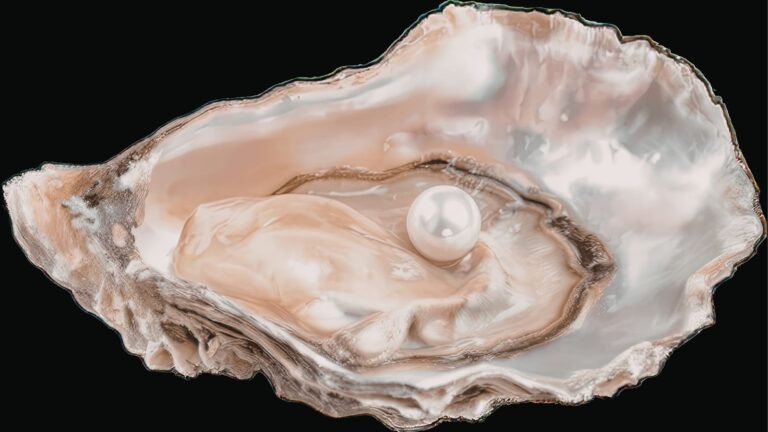
Cracking the shell: Why the world is your oyster

After graduating, she realized the world was her oyster as she had multiple offers. With the new funding, the budding entrepreneur feels the world is his oyster and is planning bold new ventures. “The world is your oyster” means that…

A lampoon that launched a word

A pasquinade is a satirical piece of writing, a lampoon or public mockery, typically posted or published anonymously and aimed at a specific person or institution. IN USEDuring the election season, anonymous posters appeared overnight, each a biting pasquinade aimed at rival…

The sacred boundary of the word “profane”

Long before the word “profane” carried its modern meaning of disrespect or vulgarity, it described something far more literal — physical position. Derived from the Latin pro fanum, meaning “before or outside the temple,” the word originally separated two kinds…

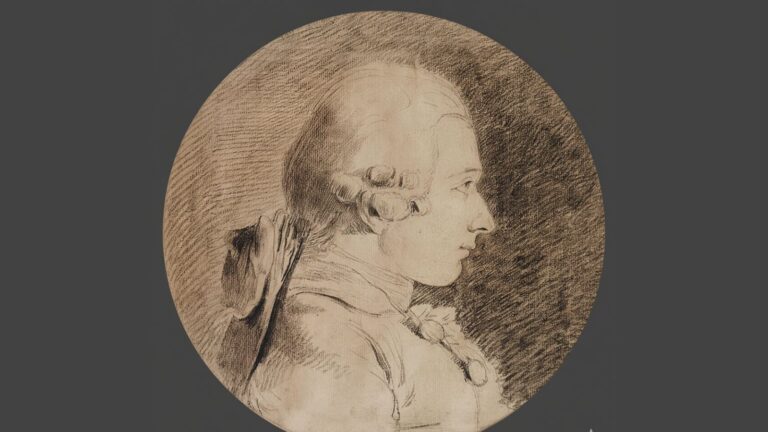
Why cruel pleasure is called “sadism”

Sadism refers to deriving pleasure from inflicting pain, humiliation, or suffering on others. The term comes from Marquis de Sade (1740–1814), a French aristocrat whose life was as transgressive as his writing. De Sade spent nearly three decades in prisons…