Category Etymology

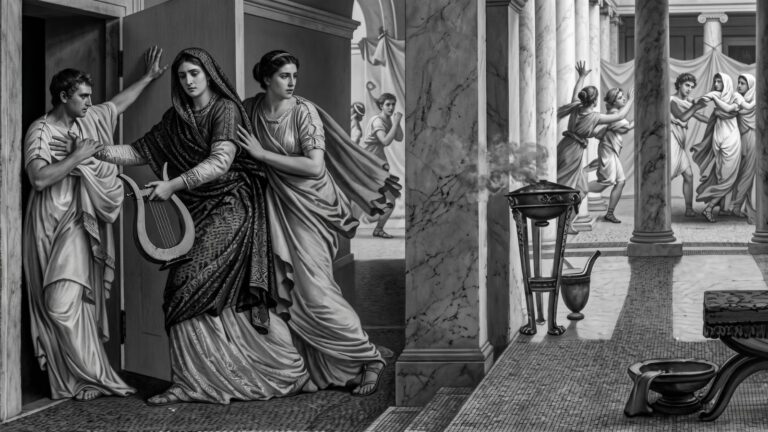
Why Caesar’s wife had to be above suspicion

Can a person be completely innocent and still lose public trust? Ancient Rome answered that question! The expression “Caesar’s wife must be above suspicion” means that individuals in high-ranking positions (or those closely associated with them) must maintain a reputation…

How a rose became a symbol of secrecy

What if a single flower could symbolize secrecy for centuries? That is the story behind sub rosa, a Latin phrase meaning “in secret” or “in confidence.” When something happens sub-rosa, it is intended to remain hidden from public view or…

How “down to the wire” entered everyday English

When something “goes down to the wire,” it means the outcome remains uncertain until the very last possible moment. Today, the phrase is used for everything from nail-biting sports matches to close elections and looming deadlines. Its origin lies in…

The brutal history behind “to be screwed”

The expression “to be screwed” is commonly used today to describe being trapped in a hopeless or disastrous situation. While modern usage feels informal, its etymological roots are surprisingly dark, and literal inside the notorious conditions of 19th-century British prisons.…

How did a “bellwether” get its name

Long before stock markets and opinion polls existed, shepherds in medieval England had a simple system for managing their flocks. They would hang a bell around the neck of a castrated male sheep called a wether. The rest of the…