Category Etymology

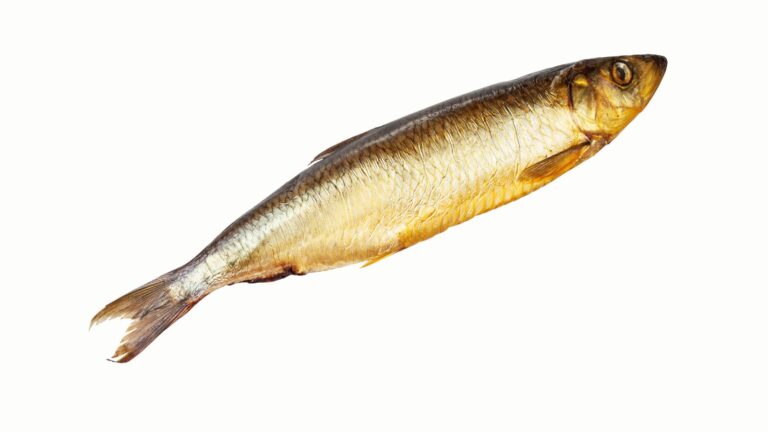
What does “blow hot and cold” really mean

The expression “to blow hot and cold” means to behave inconsistently or to vacillate between opposing attitudes, especially in a way that suggests indecision or insincerity. A person who “blows hot and cold” may support something one moment and oppose…

Why “run-of-the-mill” means nothing special

Most things in life are neither exceptional nor terrible, just average. That quiet middle ground is exactly what the expression “run-of-the-mill” captures. The phrase describes something ordinary, routine, or lacking special distinction. If a product, idea, or experience is called…

Why do we say “get down to brass tacks”?

The phrase “get down to brass tacks” means to set aside small talk and peripheral details in favor of the core issue. It marks a shift from preliminaries to substance, from generalities to specifics, and from polite conversation to focused…

Why losing your job is called “getting fired”

To “get fired” means to be dismissed from a job, usually because of poor performance, misconduct, or dishonesty. While the phrase sounds modern, one popular explanation traces its roots to the harsh realities of industrial-era England. Historically, miners were itinerant…

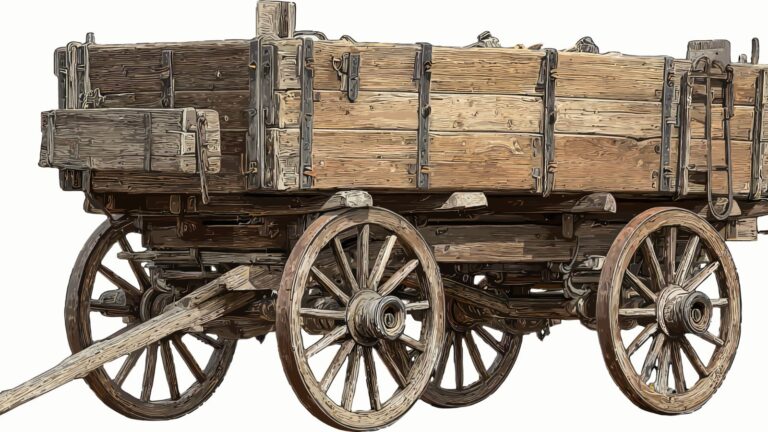
Why do we say “the whole nine yards”

Few English expressions are as vivid and puzzling as “the whole nine yards.” Used to describe a complete effort or full extent, the phrase has become a staple in everyday conversation. Yet its origin is surprisingly elusive, making it a…

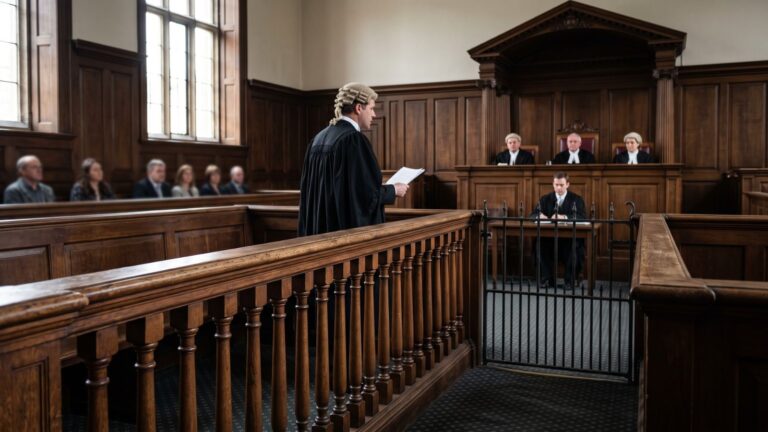
The story behind “turn a blind eye”

The expression “to turn a blind eye” means to deliberately ignore something, choosing inaction over acknowledgement. A manager who notices policy violations but says nothing has turned a blind eye. So has a neighbor who witnesses wrongdoing and quietly looks…