Category India

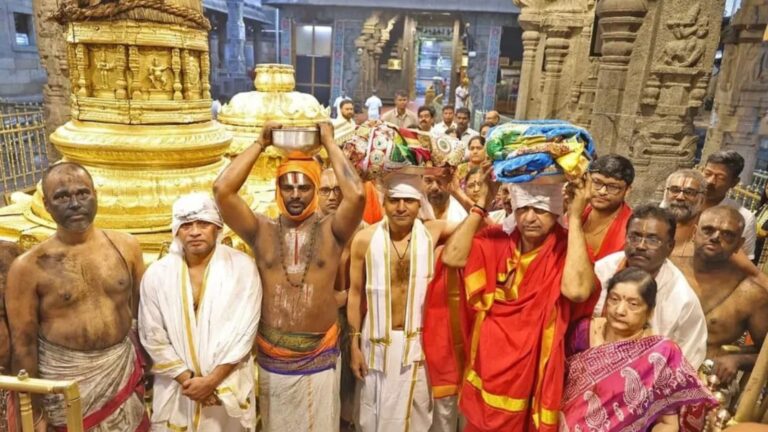
Decoding “Koil Alwar Thirumanjanam” in Tirumala

Koil Alwar Thirumanjanam is a purification ceremony undertaken at the Lord Venkateswara Temple in Tirumala. The term literally means “cleaning of the holy shrine” in Tamil, with Koil signifying holy shrine, Alwar meaning devotee/sanctified ones, and Thirumanjanam referring to an…
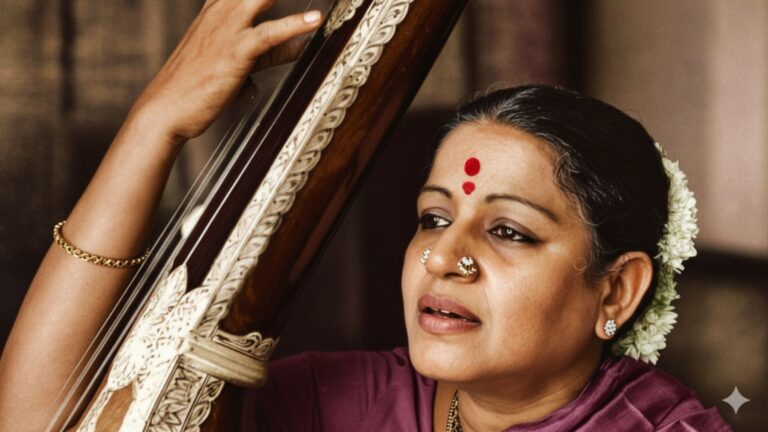

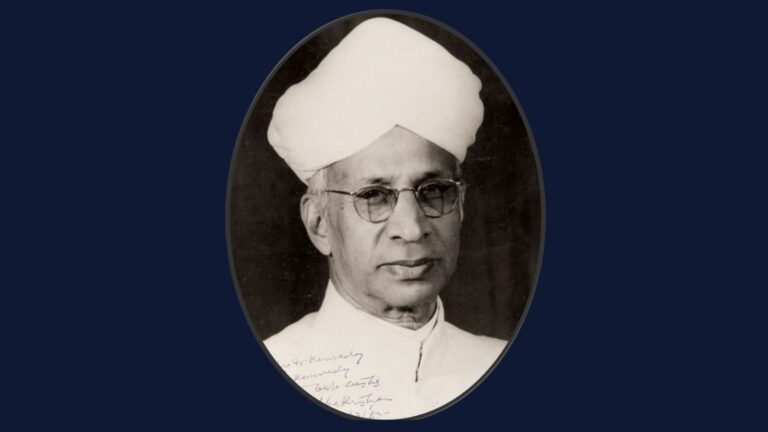
Remembering M. S. Subbulakshmi on her birth anniversary

Madurai Shanmukhavadivu Subbulakshmi, popularly known as M. S. Subbulakshmi, was born on September 16, 1916, in Madurai. Her mother, Shanmukhavadivu, was a veena player, and their home often hosted musicians who shaped young Subbulakshmi’s musical instincts. She gave her first…

The story behind “diaspora”

The word “diaspora” refers to people living outside their ancestral or native land, and the communities formed by such people. It also describes the scattering or movement of a population from its original homeland, often through migration, exile, or displacement. The word comes from…

How Agartala got its name

Did you know Agartala, the capital of Tripura, derives its name from the aromatic agarwood trees (Aquilaria malaccensis) that once grew abundantly across the region? The name comes from two Sanskrit words: agar—the valuable tree known for its fragrant heartwood—and…

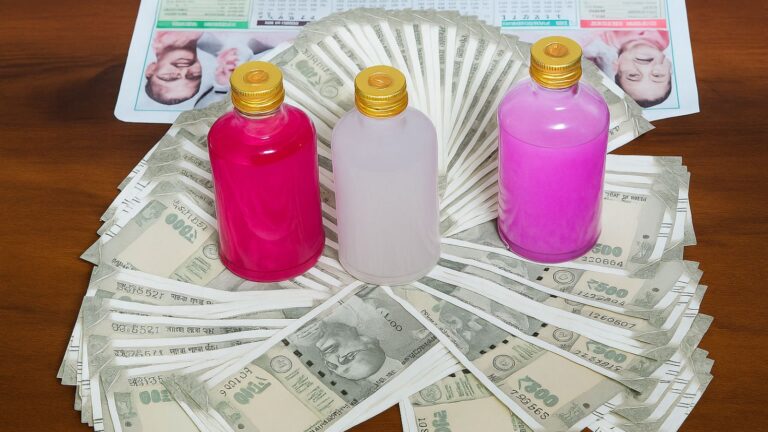
Why do ACB traps use pink-colored bottles?

The pink-colored bottles seen in Anti-Corruption Bureau (ACB) traps may look ordinary, but they play a crucial role in scientifically proving bribery. Before a raid, the ACB dusts the marked currency notes with phenolphthalein powder, an invisible compound. When the…

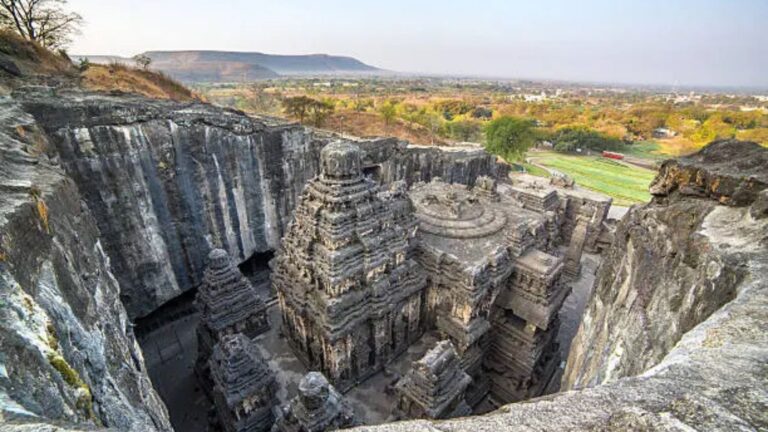
What makes the Kailasa Temple at Ellora unique

The Kailasa Temple at Ellora in Maharashtra is one of the most extraordinary achievements of ancient Indian architecture. Designated as Cave 16 within the Ellora complex, a UNESCO World Heritage Site, this massive rock-cut shrine is dedicated to Lord Shiva.…

Why Jaipur is called the “Pink City”

Jaipur, the capital of Rajasthan, earns its title of “Pink City” from the warm rose-colored façades that dominate its historic quarters. The practice began in 1876, when Maharaja Sawai Ram Singh II had the city painted in this color to…