On July 27, 1890, Dutch painter Vincent van Gogh walked into a wheat field near Auvers-sur-Oise, France, and shot himself in the chest with a revolver. He managed to return to the inn where he was staying but died two days later, on July 29, at the age of 37.
No one knows with certainty why Van Gogh took his own life. He left no suicide note. Historians believe he had struggled for years with severe mental illness, including depression and emotional instability. He also worried that he was a financial burden on his younger brother Theo, who had supported him throughout his artistic career.
Why did he sell so few paintings?
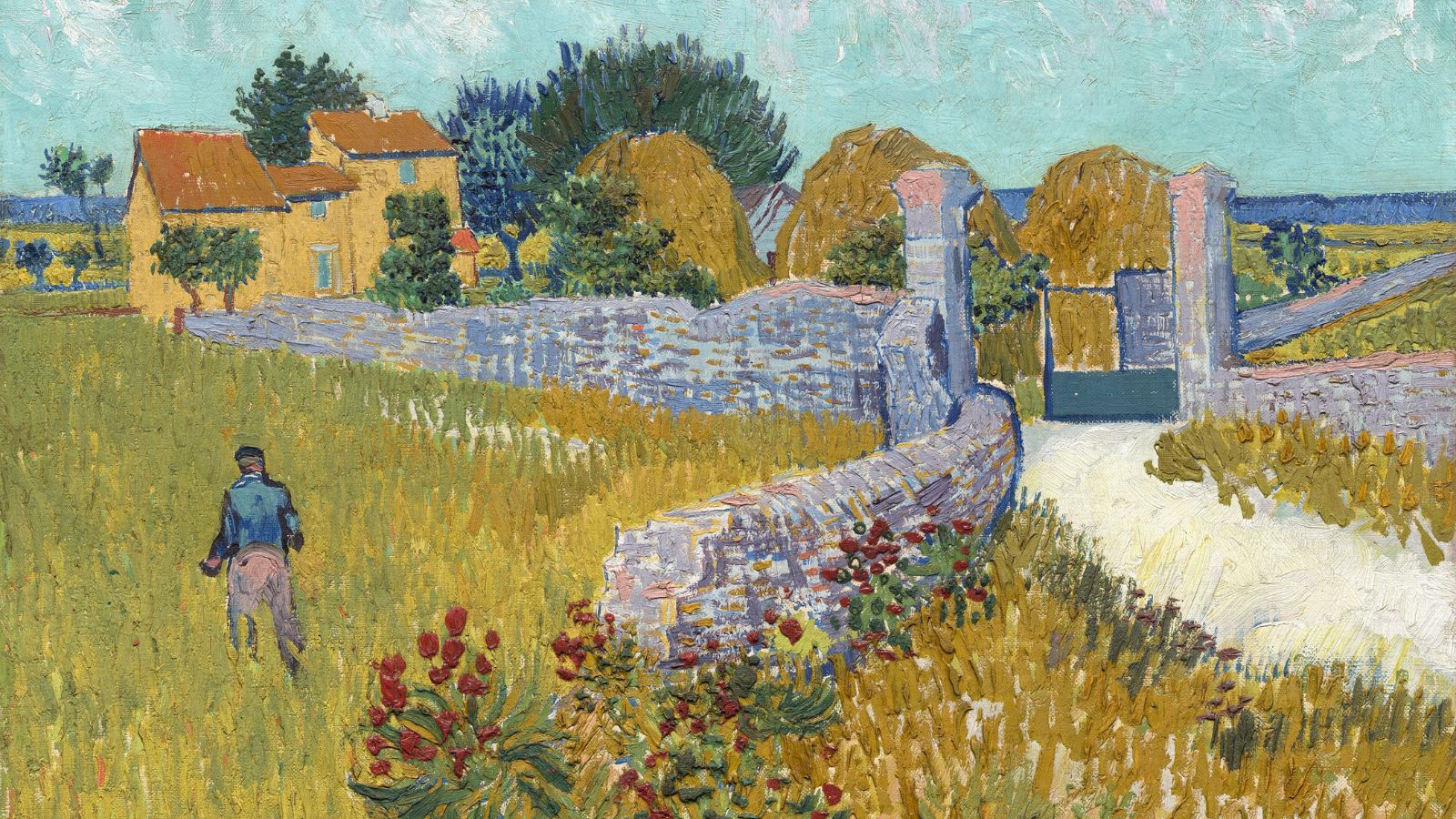
Today, Van Gogh is regarded as one of history’s greatest artists, but during his lifetime he sold very few paintings. The popular claim that he sold only one painting is not entirely accurate, as records suggest he sold or exchanged a handful of works. Even so, commercial success largely eluded him.
His bold colors, expressive brushwork and unconventional style were far ahead of public taste in the late nineteenth century. Most collectors preferred traditional, realistic art, and Van Gogh had little interest in promoting himself or cultivating wealthy patrons.
The letters that changed everything
Van Gogh’s remarkable legacy owes much to his letters, especially the more than 650 he wrote to Theo. These letters reveal his artistic vision, personal struggles and thoughts on life, making them one of the most valuable collections of correspondence in art history.
After Vincent’s death, Theo died just six months later. Theo’s widow, Johanna van Gogh-Bonger, inherited hundreds of paintings and the brothers’ letters. She carefully preserved them, organized exhibitions and published the correspondence, allowing the world to understand not only Van Gogh’s paintings but also the mind behind them.
Fame after death
As exhibitions spread across Europe in the early 1900s, Van Gogh’s work gained widespread recognition. His paintings, combined with his deeply personal letters, transformed him from an overlooked artist into a symbol of creativity, perseverance and human vulnerability.
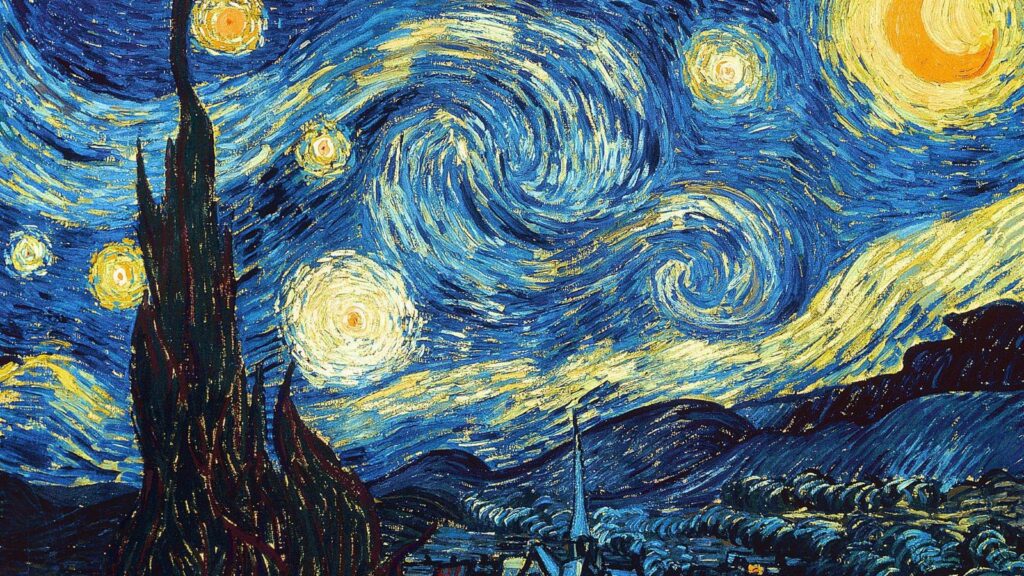
His masterpieces such as The Starry Night, Sunflowers and Irises rank among the world’s most celebrated artworks. His story is a reminder that genius is not always recognized in its own lifetime, and that sometimes a person’s words can be as enduring as their art.