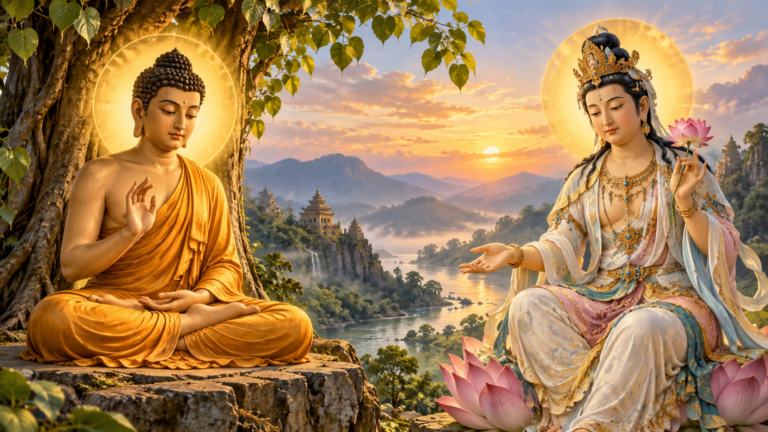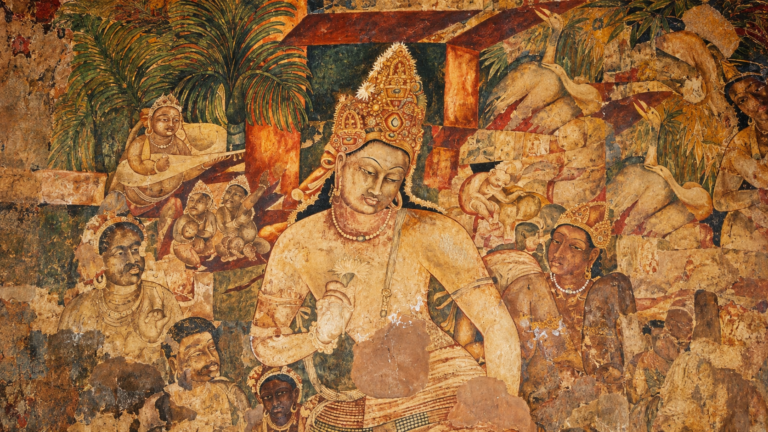
Across cultures and religions, places of worship draw millions of devotees every year. Some wait hours to secure the first glimpse of the deity. Others pay for special access, complete countless pradakshinas, or undertake physically demanding rituals with remarkable endurance. These acts may arise from sincere faith, tradition, gratitude, or personal vows. Ritual itself is not the problem. The question is whether the ritual transforms the person performing it.
History’s greatest spiritual teachers consistently pointed inward. The Upanishads speak of the Self as the ultimate reality to be discovered within. The Buddha urged people to observe the workings of their own minds. Jesus emphasized inner purity over outward display. Jiddu Krishnamurti argued that truth cannot be reached through mechanical repetition, authority, or imitation. Yet it is often easier to circle a temple than to confront one’s own anger, fear, jealousy, ambition, or attachment.
Human beings naturally seek certainty. The mind is attracted to methods that promise measurable progress. Counting pradakshinas, enduring physical hardship, securing a privileged place before the deity, or making generous offerings creates the reassuring feeling that one has moved closer to the sacred. External acts have visible beginnings and endings. They can be completed, repeated, and even admired by others. Inner transformation offers no such milestones. There are no certificates for humility, no applause for dissolving resentment, and no queue that leads directly to self-understanding.
Perhaps this is why shortcuts are so appealing. It is easier to discipline the body than to observe the restless movement of the mind. It is easier to bear pain in the legs than to let go of pride. It is easier to seek blessings from outside than to question the beliefs, fears, and images of ourselves that have accumulated over decades. Looking within can be unsettling because it exposes illusions we have carefully protected for years.
The inward journey is unlike any physical pilgrimage. It is a quiet, uncompromising investigation into the structure of one’s own consciousness. It requires watching every reaction without justification or condemnation. It is a form of surgery in which the patient and the surgeon are the same person, carefully removing layers of conditioning that shape every thought, emotion, and relationship.
A temple can inspire reflection. A ritual can cultivate discipline. A pilgrimage can awaken gratitude. But none of these automatically dissolves the burdens carried within. If the heart remains unchanged, even the grandest act of devotion becomes a well-rehearsed performance.
The most sacred journey begins not at the temple gate but in silent observation of oneself. The greatest offering is not flowers, wealth, or physical endurance. It is the courage to see oneself without illusion. Only then does devotion cease to be something we do and become something we are.