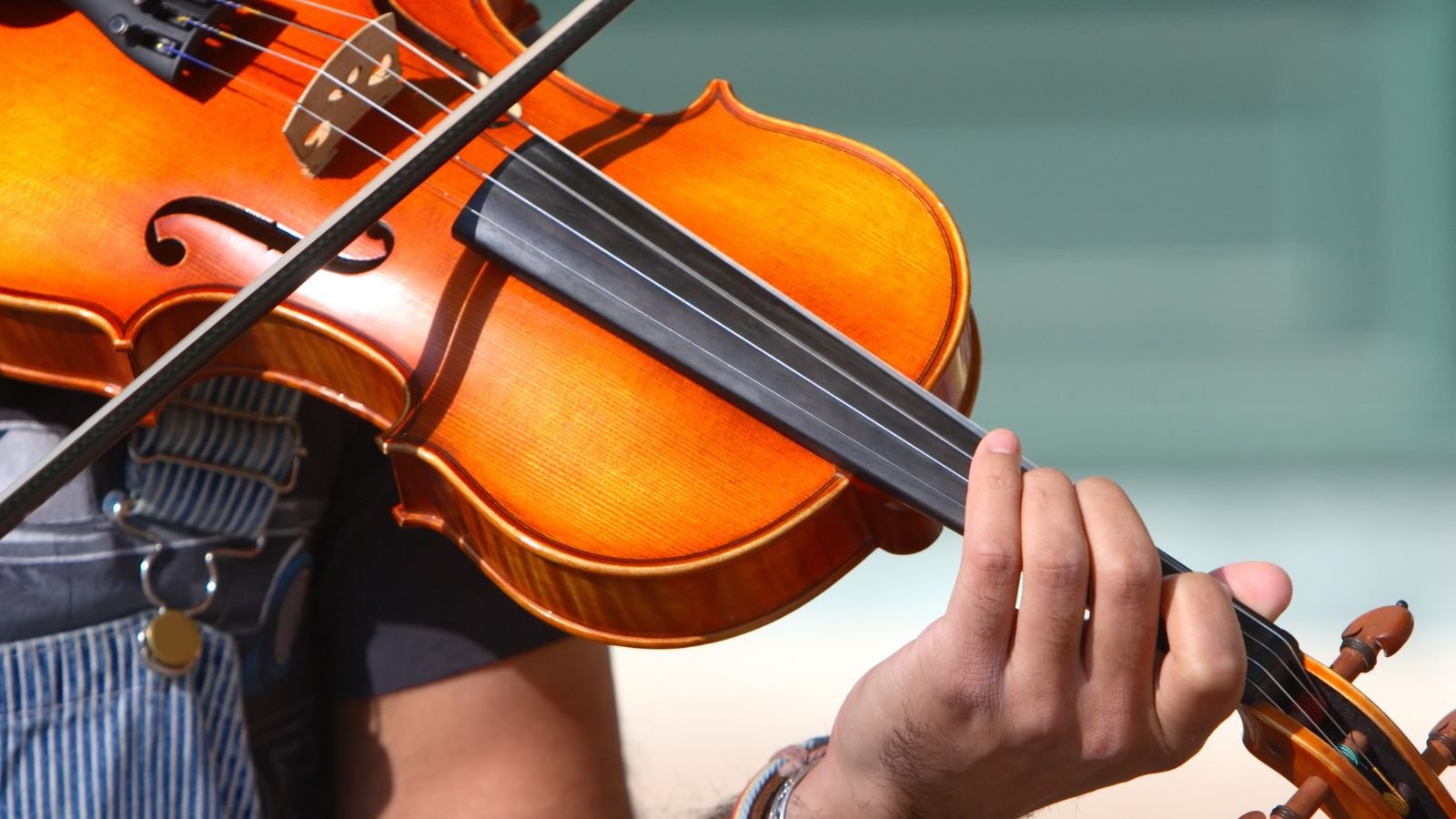
When someone is described as “fit as a fiddle,” it means they are in excellent health, physically strong, energetic, and in good condition. But why compare a healthy person to a fiddle?
The expression dates back to early 17th-century English. One of the earliest recorded examples appears in William Haughton’s play Englishmen for My Money, published in 1616, with the phrase “as fit as a fiddle.”
Interestingly, “fit” originally meant suitable, proper, or well-suited to a purpose, rather than physically healthy as it commonly means today. A fiddle, or violin, had to be properly made, maintained, and ready to produce good music. Thus, being “fit as a fiddle” originally suggested being in proper or excellent condition. The meaning gradually shifted as “fit” came to be associated with physical health.
The phrase’s catchy “fit-fiddle” alliteration probably also helped it survive through the centuries.
Example: After recovering from his illness, Ravi was soon back at work, looking as fit as a fiddle.
So, the next time you hear “fit as a fiddle,” remember that it is an old-fashioned way of saying someone is healthy, strong, and full of vitality.