Aviation started out as a man’s domain, but a quiet shift was about to redefine its future.
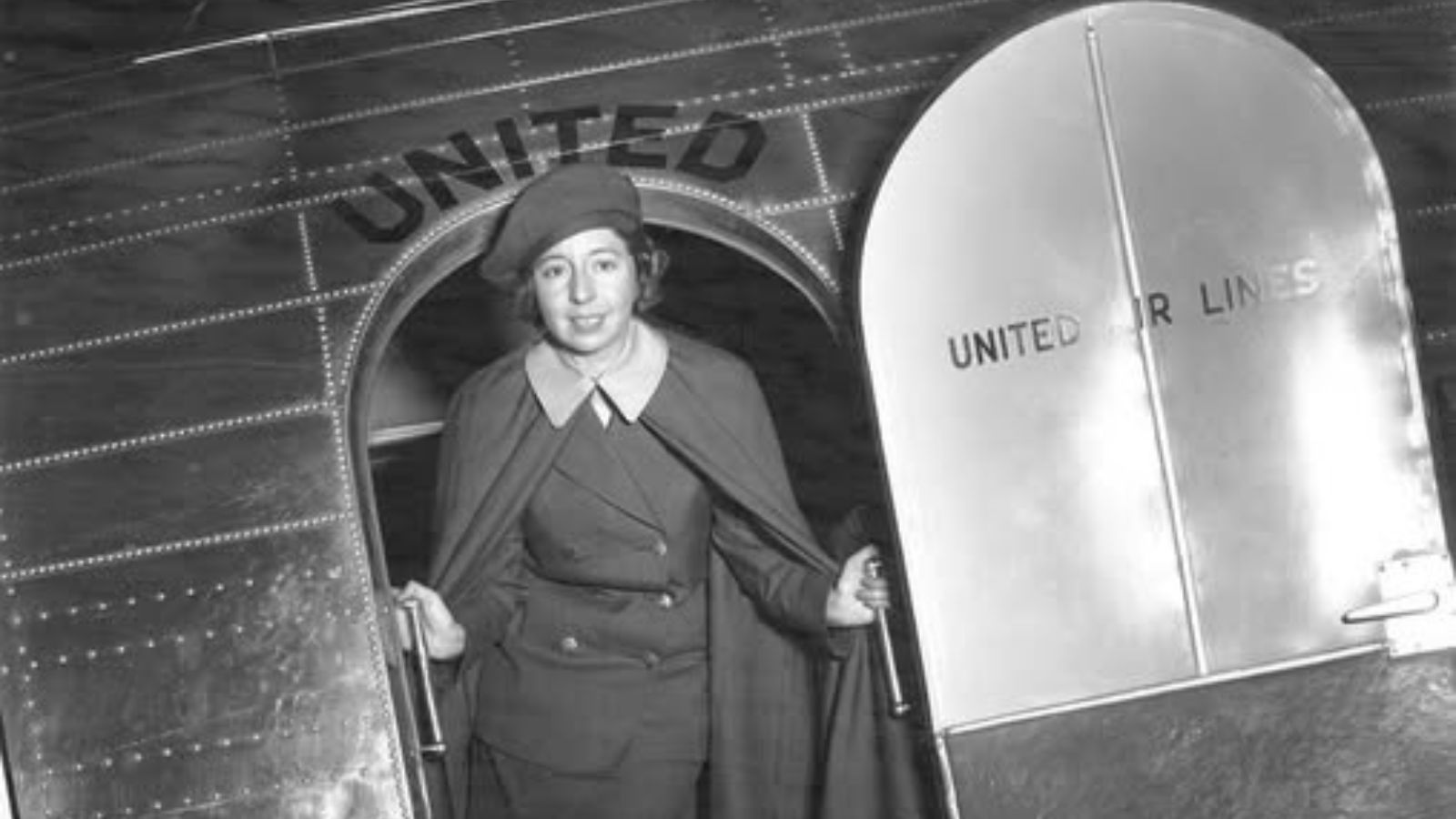
In 1930, commercial aviation had a trust problem. Aircraft were noisy, turbulent, and widely perceived as dangerous. On May 15, the same year, a 25‑year‑old registered nurse from 1owa stepped aboard a Boeing 80A trimotor aircraft and changed the world of commercial aviation forever. Her name was Ellen Church, and she became the world’s first airline stewardess, hired by United Air Lines (then Boeing Air Transport) on its San Francisco–Chicago route.
Church herself first proposed the idea to Boeing Air Transport’s Steve Stimpson, arguing that nurses in the cabin would reassure a nervous flying public and handle any medical emergencies. The qualifications she helped shape were incredibly specific and stringent: candidates had to be registered nurses, female, single, no older than 25, no taller than 5′4″ (to fit cramped cabins), and weigh no more than 115 pounds (52 kg).
Church and her team of seven other nurses—dubbed the “Original Eight”—not only served meals but also hauled luggage and helped fuel the planes. Their courage transformed the cabin experience into the professional service industry we recognize today. Church flew for about 18 months before a car accident ended her flying career. She later served as a flight nurse in World War II, earning the Air Medal for her service.
Her legacy endures in every flight today. What began as a safety measure soon became a defining feature of air travel, laying the foundation for the modern flight attendant profession.