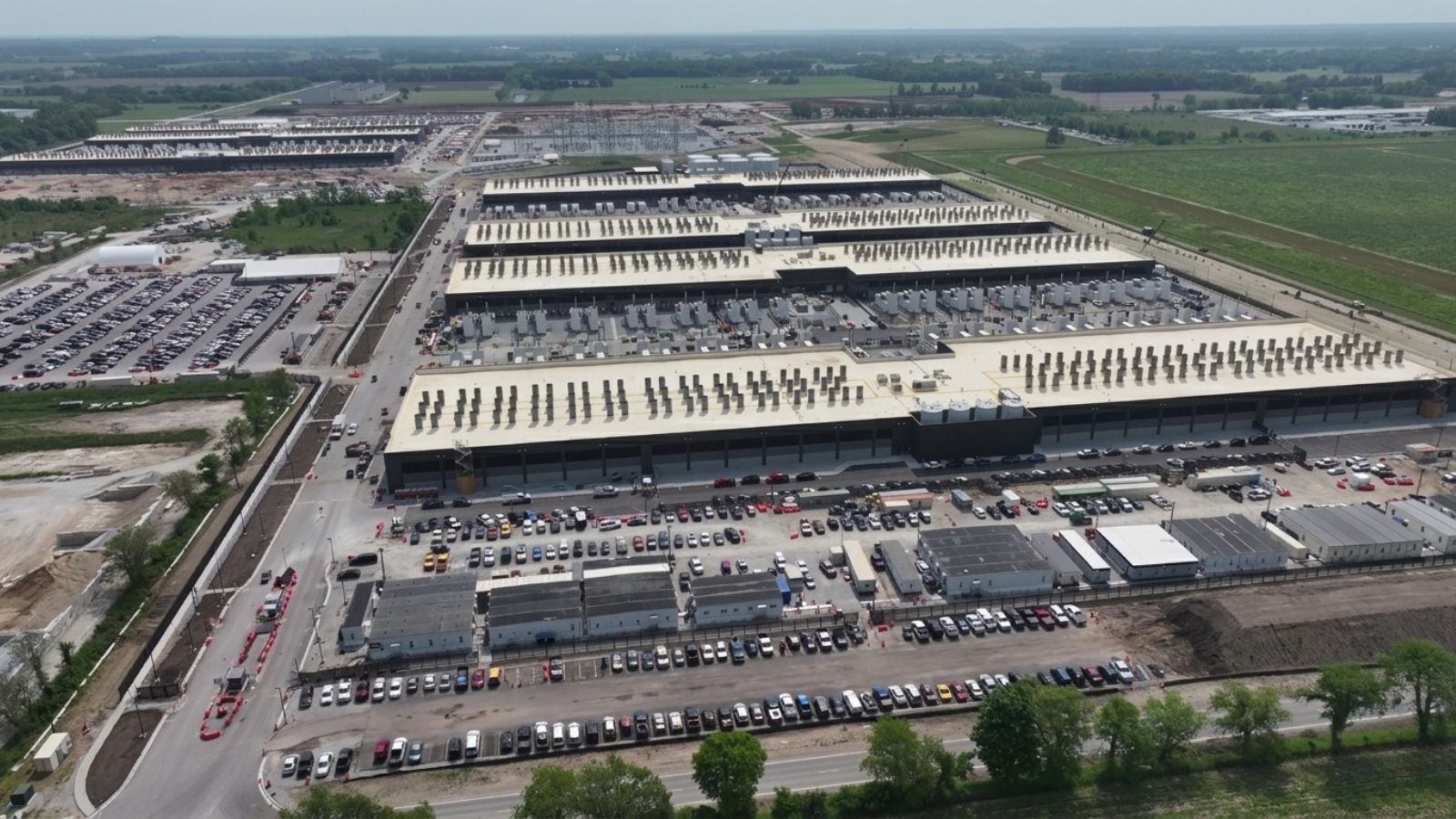
When companies such as Google, Microsoft, or Amazon build a data center, they are creating the physical backbone of the internet. A data center is a highly secure facility housing thousands of servers that store, process, and transmit data for search engines, cloud computing, AI, online banking, streaming platforms, and government services.
These servers operate around the clock and generate enormous amounts of heat. While air conditioning is used, cooling a hyperscale data center solely with air would consume vast amounts of energy. Water is preferred because it absorbs and transfers heat roughly 3,500 times more effectively by volume than air, making large-scale cooling more efficient and cost-effective. As a result, some large facilities can consume millions of liters of water daily, placing data centers at the center of environmental debates.
Supporters point to their benefits: digital infrastructure, high-value investments, skilled jobs, improved connectivity, and the computing power needed for AI and cloud services. Critics, however, raise concerns about water consumption, high electricity demand, carbon emissions, and pressure on local resources, especially in water-stressed regions.

Why water use is surging now
AI workloads are driving a dramatic spike in water consumption. According to New York Times, each 100-word AI prompt is estimated to use roughly one bottle of water (519 mL) for cooling alone. New AI-focused data centers are expected to require millions of gallons per day.
The debate is not about whether data centers are necessary; they are indispensable to the modern digital economy. The real challenge is ensuring they operate sustainably through energy-efficient designs, renewable power, recycled water, and advanced cooling technologies. As India’s digital economy grows, balancing technological progress with environmental responsibility will be crucial.