Category Art & Culture

Why do chefs wear tall hats?

Did you know the tall white hat worn by chefs is called a toque blanche, French for “white hat?” It is one of the most recognizable symbols of the culinary profession, but its origins are rooted in both history and…

Why is a carpenter called carpenter?

The word carpenter has a history that stretches back nearly 2,000 years. It comes from the Late Latin word carpentarius, meaning “wagon maker” or “cart builder.” This, in turn, is derived from carpentum, a two-wheeled carriage or wagon commonly used…

The greatest pilgrimage is the one within

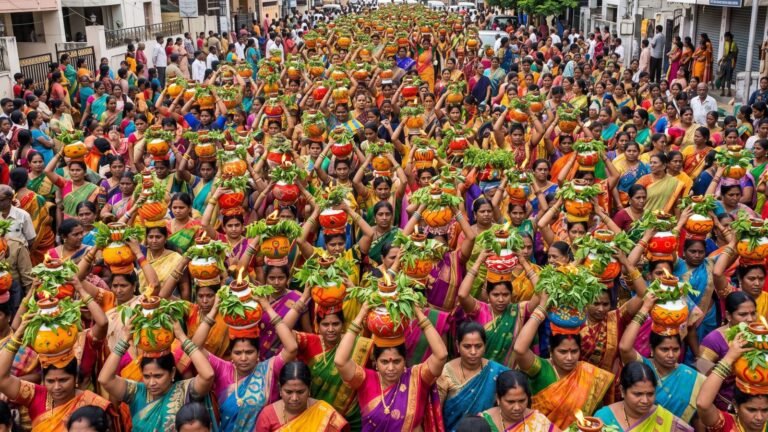
Every full moon, thousands of devotees undertake girivalam around Tiruvannamalai. Across India, countless others travel to famous temples, perform elaborate rituals, and undertake arduous pilgrimages believing these acts will erase their bad karma and ultimately grant moksha. Sacred places have…

Why do coins have ridged edges?

If you look at any coin, you will notice tiny ridges around its edge. Ever wondered why they’re there? The feature, known as reeding, dates back to the 17th century when coins were made from precious metals such as gold…

The inner surgery that no ritual can replace

Across cultures and religions, places of worship draw millions of devotees every year. Some wait hours to secure the first glimpse of the deity. Others pay for special access, complete countless pradakshinas, or undertake physically demanding rituals with remarkable endurance.…

Decoding “Sanata Dharma” for the modern world

These days, we hear the term Sanatana Dharma in political speeches, primetime debates, and conversations about Indian culture, spirituality, and identity. Yet many people are unsure what it actually means. The phrase comes from two Sanskrit words. Sanatana means eternal…