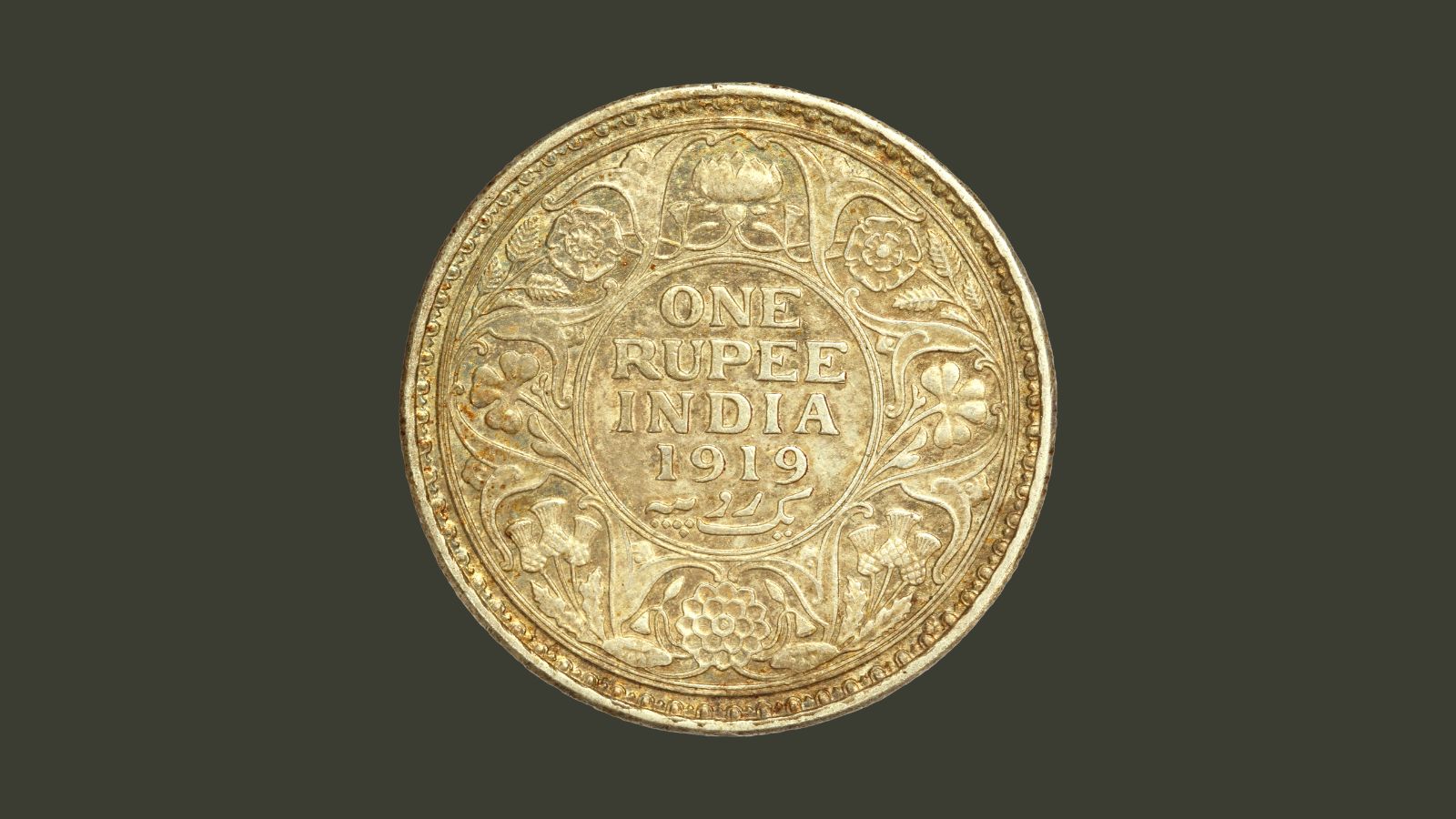
If you look at any coin, you will notice tiny ridges around its edge. Ever wondered why they’re there?
The feature, known as reeding, dates back to the 17th century when coins were made from precious metals such as gold and silver. Dishonest people would shave small amounts of metal from the edges, a practice called coin clipping, while leaving the coin looking almost unchanged. Over time, the stolen metal could be melted down and sold for a profit.
To prevent this, mints began adding ridged edges. Any attempt to clip or file the edge immediately ruined the pattern, making the coin’s altered state obvious. This technique was later deployed on a massive scale during England’s Great Recoinage of 1696.
Although today’s coins are generally made from inexpensive metals, reeded edges remain. They help deter counterfeiting, make denominations easier to distinguish by touch, and preserve a centuries-old security feature that continues to serve a practical purpose.