Category Education

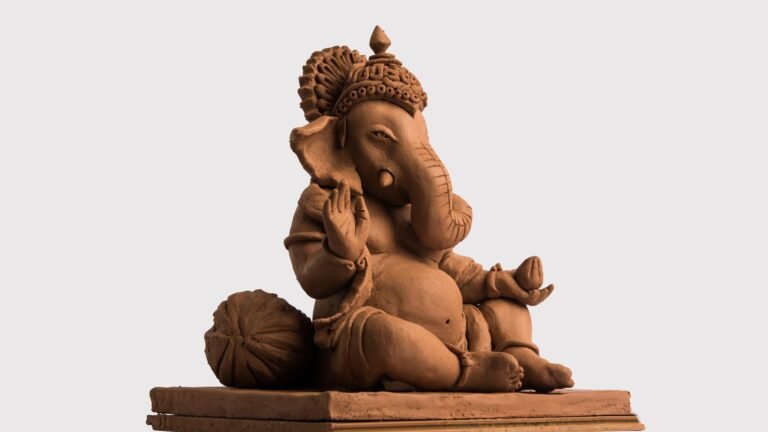
idol of clay Ganesha

In search of Ganesha beyond the celebration

There was a time when Ganesh Chaturthi carried a bigger purpose that went well beyond the rituals of the day. In the late 19th century, India was under oppressive British rule. Political meetings were watched, public gatherings faced restrictions and…


Can you be a meditator without practicing meditation?

When we hear the word meditator, we often imagine someone sitting cross-legged with closed eyes, chanting a mantra, or following a spiritual discipline. Jiddu Krishnamurti challenged this image completely. For him, a meditator is not someone who practices meditation. A…

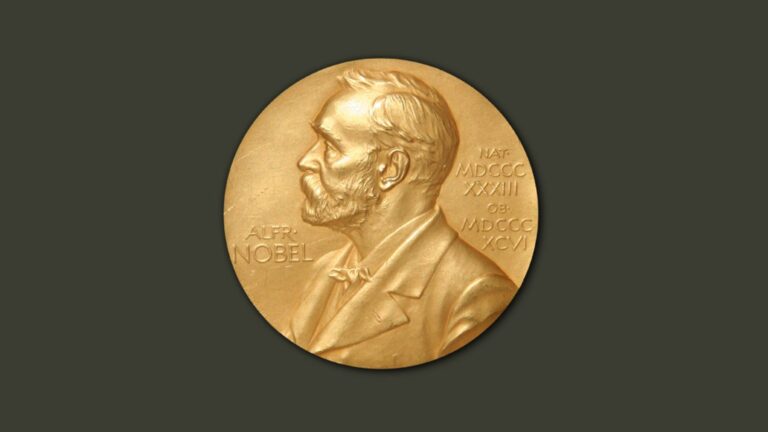
Why is the Nobel Prize named after Alfred Nobel?

The Nobel Prize is named after Alfred Nobel (1833 to 1896), a Swedish chemist, engineer, inventor, entrepreneur, and philanthropist whose vision created one of the world’s most prestigious awards. Nobel is best known for inventing dynamite in 1867. Before his…

The inner surgery that no ritual can replace

Across cultures and religions, places of worship draw millions of devotees every year. Some wait hours to secure the first glimpse of the deity. Others pay for special access, complete countless pradakshinas, or undertake physically demanding rituals with remarkable endurance.…

Decoding “Sanata Dharma” for the modern world

These days, we hear the term Sanatana Dharma in political speeches, primetime debates, and conversations about Indian culture, spirituality, and identity. Yet many people are unsure what it actually means. The phrase comes from two Sanskrit words. Sanatana means eternal…

How “brownie points” earned their name

Brownie points are imaginary credits earned for helpful or commendable acts, often to gain approval or favor rather than a real reward. Examples include helping a colleague meet a deadline or remembering an important anniversary. In use The expression originated…