There was a time when Ganesh Chaturthi carried a bigger purpose that went well beyond the rituals of the day.
In the late 19th century, India was under oppressive British rule. Political meetings were watched, public gatherings faced restrictions and any organized expression of nationalist sentiment could invite the attention of the authorities. Indian leaders needed ways to bring people together without immediately inviting a crackdown.
Lokmanya Bal Gangadhar Tilak saw an opportunity in a festival that was already deeply rooted in the culture of Maharashtra. In the 1890s, he helped turn Ganesh Chaturthi into a public celebration. Ganesh pandals became places where people from different communities and social backgrounds could gather. Religious ceremonies were accompanied by lectures, cultural programs and discussions about the condition of the country. Such gatherings created opportunities for leaders and citizens to exchange ideas, organize themselves and nurture the spirit of resistance to colonial rule.
The festival became a platform for unity at a time when unity was essential.
It is worth remembering that history when we look at some of our celebrations today.
In several places, Ganesh Chaturthi has become a competition of size, money and noise. The idol grows taller every year. Ganesha appears in the likeness of cinema stars, sportspersons and cartoon characters. Devotional music gives way to loud film songs, dancing spills onto the streets, and drinking and unruly behavior become part of the festivities. At times, the celebrations descend into vulgarity, all in the name of devotion.
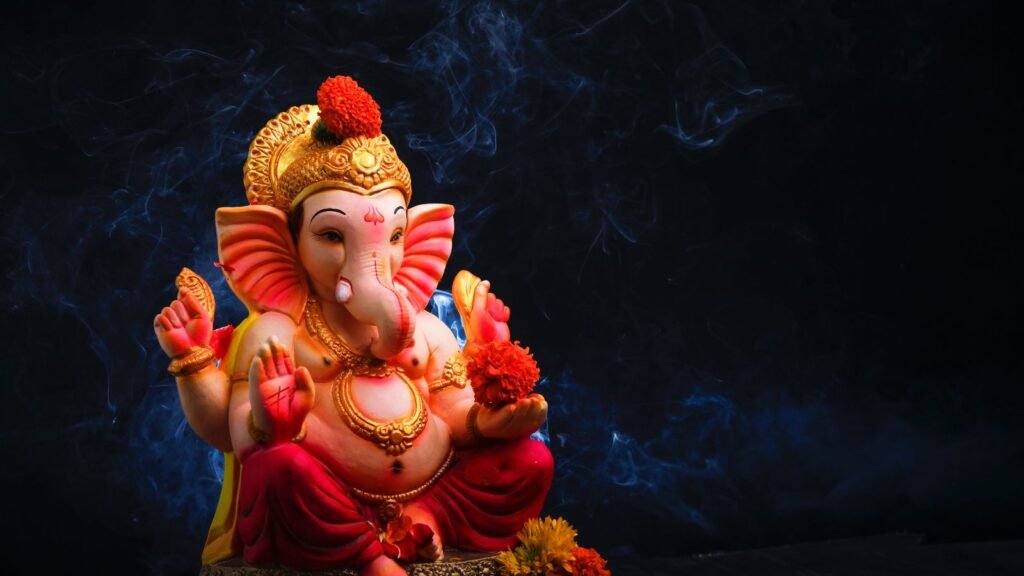
There is an environmental cost as well. Plaster-of-Paris idols and chemical-based paints can pollute lakes, rivers and other water bodies during immersion. It is difficult to reconcile reverence for the divine with practices that leave our natural surroundings damaged.
None of this is a criticism of celebration itself. Festivals should bring happiness. Music, color, food and community have always been part of our festivals. The question is whether the celebration still reflects the spirit behind it.
Everyone can take a moment for introspection: What is real devotion?
Is it the height of the idol? The money spent on decorations? The number of speakers? The latest film song? Or is devotion found in the sincerity of the prayer we offer before Ganesha?
There is another way to celebrate.
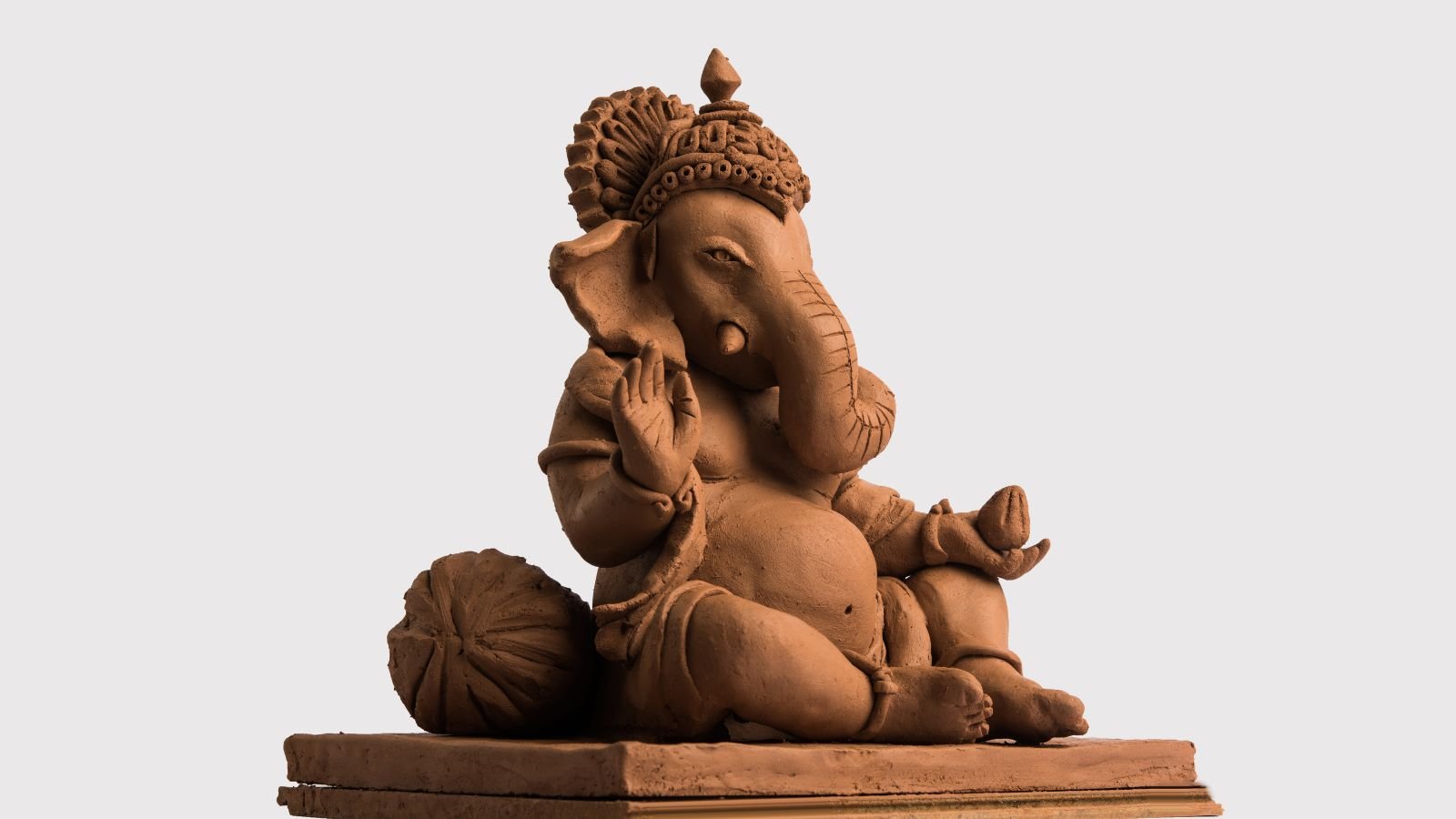
The same community spirit that made Ganeshotsav a force for social unity can be directed towards helping people around us. Instead of spending huge sums on an extravaganza that lasts a few days, communities can support a child’s education, provide meals to families in need, assist the elderly, help someone with medical expenses or contribute to causes that improve the neighborhood.
That would give the festival a purpose that lasts beyond the immersion day.
The biggest idol does not make anyone the biggest devotee. The loudest celebration does not make a community the most religious.
A modest idol, an honest prayer, an environmentally responsible celebration and a helping hand extended to someone in need may say far more about our devotion.
Ganesha is worshipped as the embodiment of wisdom. Perhaps the finest way to honor Him is to celebrate with faith, restraint, compassion and a little wisdom of our own.