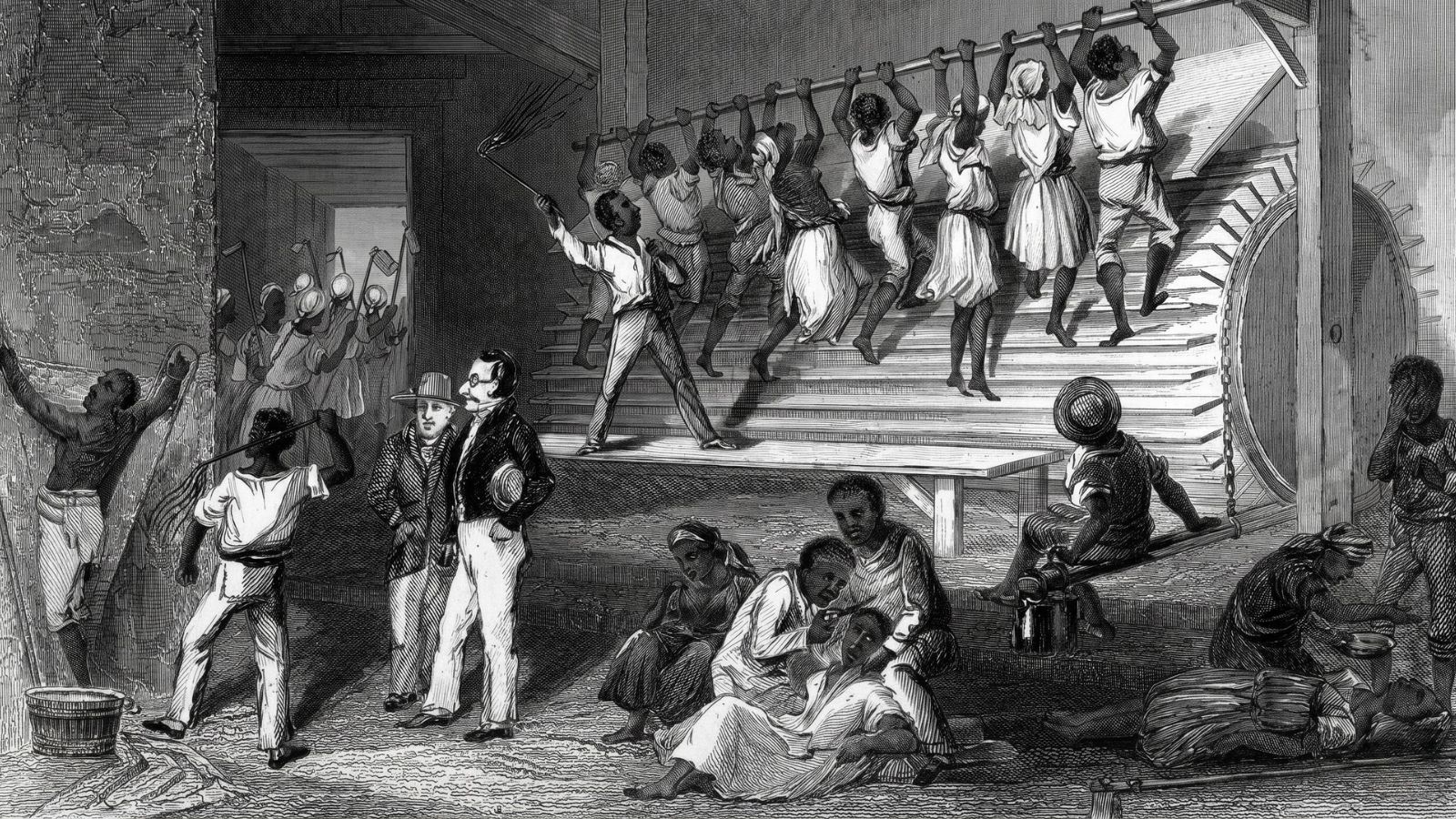
Did you know treadmills began not as fitness machines, but as prison punishment devices? While modern treadmills symbolize health and endurance, their origins are surprisingly grim.
In 1818, English engineer Sir William Cubitt invented the “tread-wheel” to reform idle prisoners through relentless physical labor. These massive wooden machines required inmates to keep stepping upward continuously to avoid slipping, often for up to six hours a day. The energy generated powered tasks such as grinding grain or pumping water, which is how the term treadmill came into use. In many prisons, however, the labor served little purpose beyond punishment and discipline.
The device became notorious for its brutality, causing exhaustion, joint damage, and severe mental strain. By the late 19th century, prison reform efforts led to its gradual abolition in Britain.
The modern exercise treadmill emerged much later. In the 20th century, researchers adapted the technology for cardiac testing and rehabilitation, and by the 1960s, it had entered homes and gyms as a symbol of fitness rather than punishment.