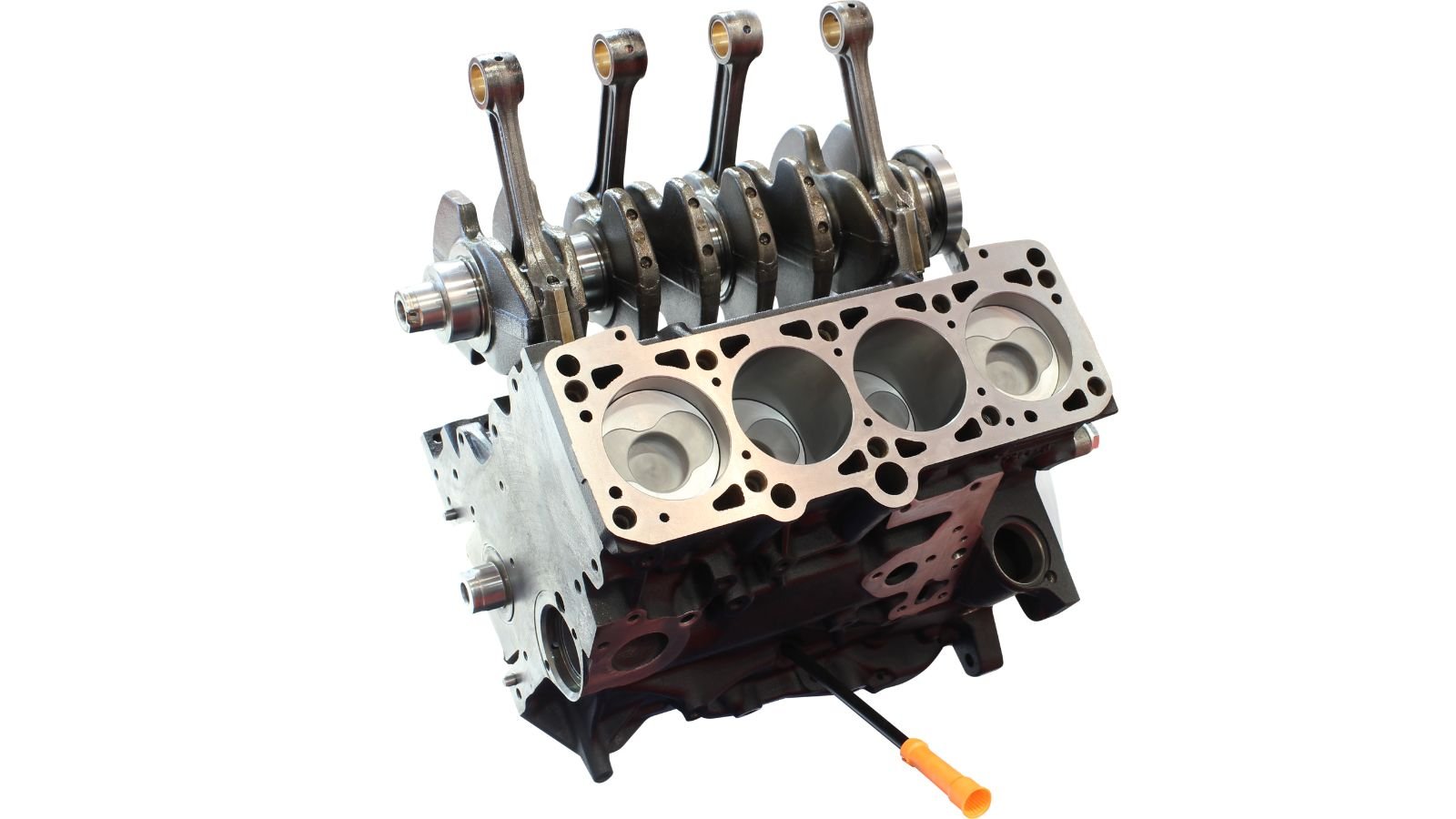
A car engine rated at 100 HP and a railway locomotive rated at 6,000 HP have something in common: both use horsepower to describe their power. But what exactly is horsepower? Why is an engine’s power measured in horses, and what does a figure like 6,000 HP actually tell us? The answer goes back more than 200 years, to a time when horses did much of the heavy work in mines, factories and farms.
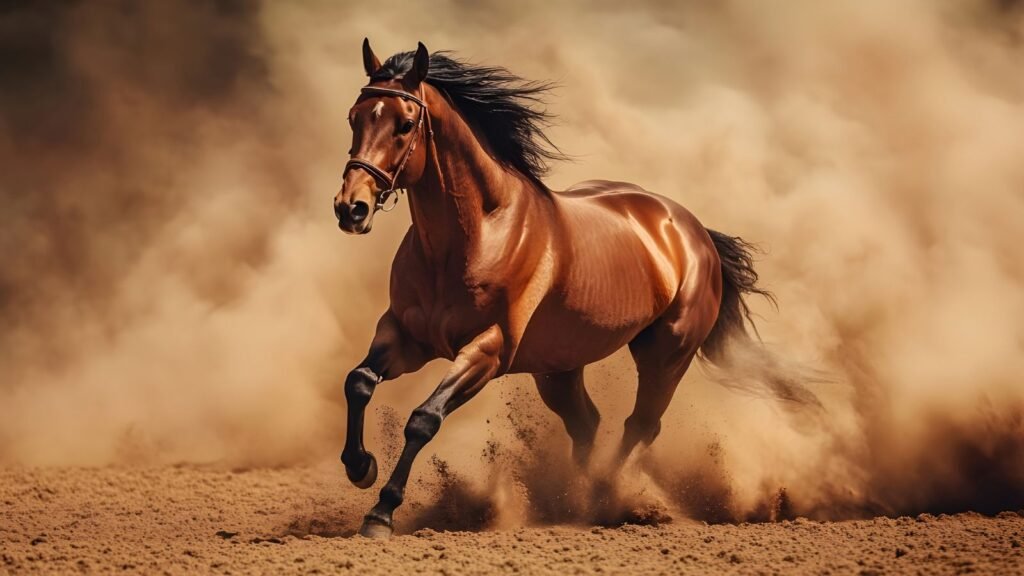
The term horsepower (HP) was introduced by Scottish inventor James Watt in the late 18th century. While improving steam engines, Watt wanted people to understand how powerful his machines were compared with horses, which were commonly used to perform heavy tasks. He estimated the amount of work a horse could perform and created a unit called horsepower. He defined one mechanical horsepower as the ability to lift 33,000 pounds (approximately 15,000 kg) by one foot (30.48 cm) in one minute. In simpler terms, imagine an engine lifting a 15-tonne weight by about 30 centimeters in 60 seconds. That is the amount of work represented by one horsepower. This is a measure of how quickly work is performed, not the actual number of horses an engine can replace.
Watts and megawatts are simply other units used to measure power. Just as distance is measured in metres or kilometres, power is measured in watts (W), kilowatts (kW) or megawatts (MW). One horsepower is approximately equal to 746 watts. One thousand watts make one kilowatt, and one thousand kilowatts make one megawatt. Therefore, one megawatt equals one million watts, or approximately 1,341 horsepower. While cars are commonly described in horsepower, large industrial machines and railway locomotives often use kilowatts or megawatts to express their power.
Consider the WAP-7 locomotive used by Indian Railways. With a continuous power rating of approximately 6,120 HP, equivalent to 4.56 MW, it is a powerful electric passenger locomotive designed to haul heavy trains, often consisting of 24–26 coaches. To put its capacity into perspective, imagine more than 6,000 horses working together to pull a train! That gives us a rough picture of the scale of its power. Of course, the WAP-7 does not use horses or burn diesel. It draws electricity from overhead wires and uses electric traction motors to turn its wheels. Its standard maximum service speed is 140 kmph.
In a nutshell, horsepower, watts and megawatts all measure the same thing: the power of a machine, or how quickly it can do work. Horsepower is a traditional unit, while watts and megawatts belong to the metric system. The next time you see an engine rated at 100 HP or 6,000 HP, you will know that the number describes its ability to deliver power, not the number of horses hiding under its bonnet!