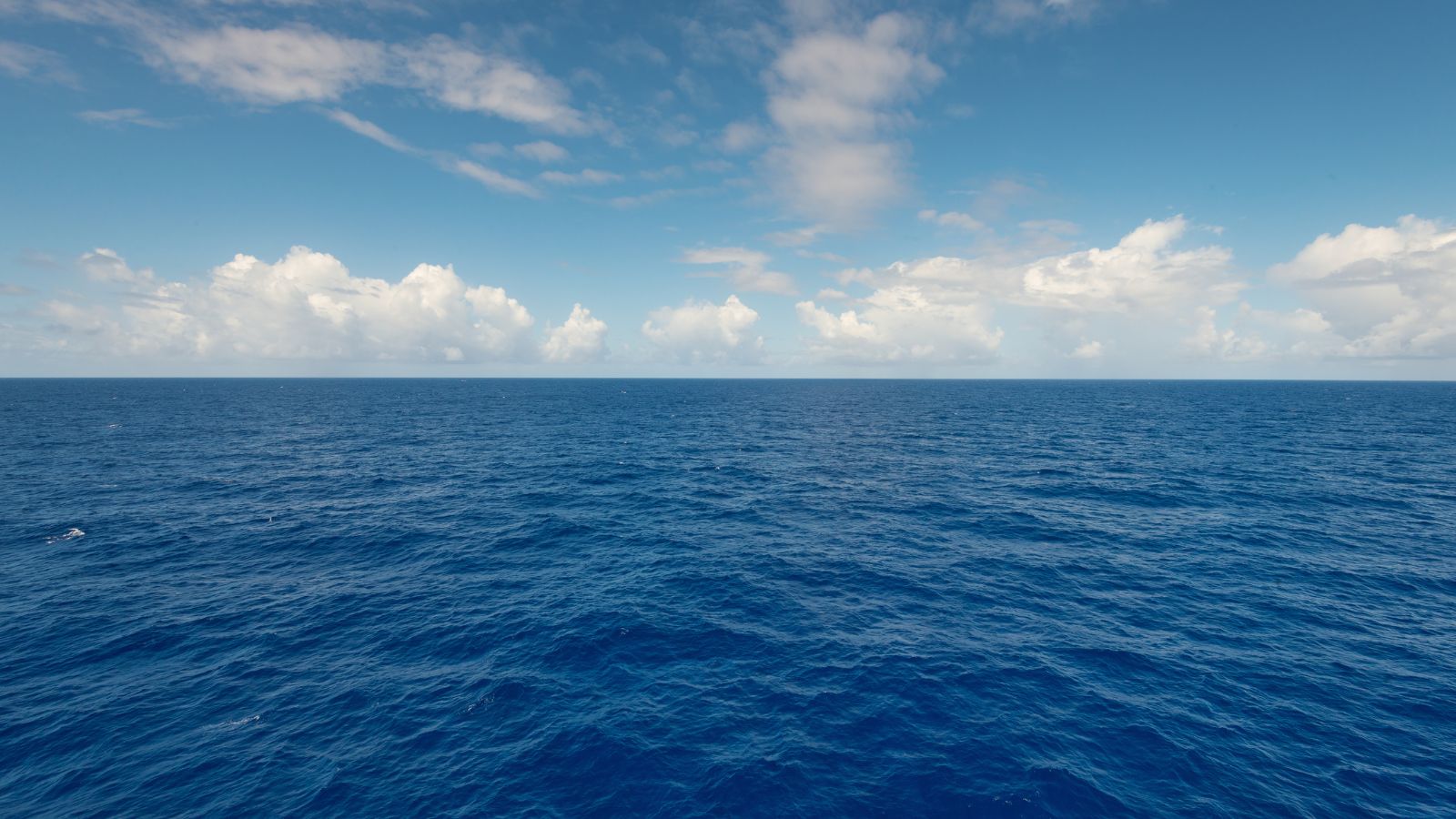
The Pacific Ocean owes its name to the Portuguese explorer Ferdinand Magellan during his historic circumnavigation expedition in 1520. After battling fierce winds, towering waves, and dangerous currents while navigating the treacherous waters at the southern tip of South America, now known as the Strait of Magellan, his fleet finally entered a vast, remarkably calm ocean. Magellan named it Mar Pacífico, meaning “peaceful sea” in Portuguese and Spanish. To his exhausted crew, the tranquil waters were a welcome contrast to the stormy Atlantic they had just crossed.
Ferdinand Magellan (1480–1521) is remembered as the leader of the first expedition to sail around the world, although he did not complete the journey himself. He was killed in the Battle of Mactan in the Philippines in 1521, and the expedition was completed by Juan Sebastián Elcano the following year. Magellan’s voyage proved that the Earth could be circumnavigated by sea and dramatically expanded European understanding of global geography and oceanic trade routes.
Ironically, the Pacific Ocean is far from peaceful all the time. It is the largest and deepest ocean on Earth, covering about 165 million square kilometers, nearly one-third of the planet’s surface and more than all the Earth’s land area combined. It is home to the Ring of Fire, where many of the world’s earthquakes, volcanic eruptions, and tsunamis originate, and it regularly experiences powerful typhoons and massive waves. Although the Pacific is frequently anything but peaceful, the name chosen by Magellan has stood the test of time.